Kedarnath & Badrinath Yatra in September 2026 – Weather, Road & Travel Guide
Travel Update — 14 September 2026: Himalayan weather, road conditions and helicopter operations can change quickly. Check the latest official weather and local travel advisories close to departure and keep flexibility in your itinerary.
September has always felt a little different in the mountains of Uttarakhand.
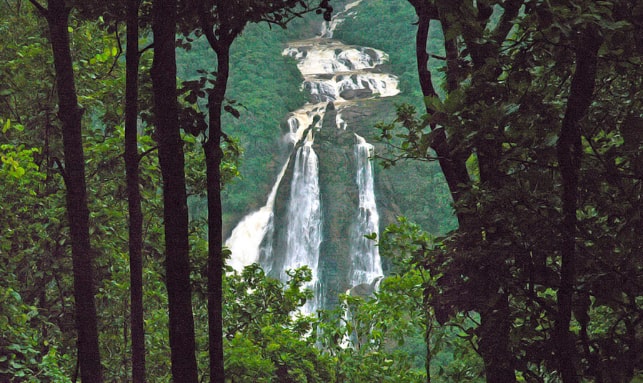
The heavy monsoon weeks slowly begin to pass, the valleys remain beautifully green, waterfalls are still alive along the mountain roads, and the pilgrimage routes start welcoming travellers who were waiting for the rains to ease.
For many families, couples and senior citizens, September can be a good time to plan Kedarnath and Badrinath Yatra. But there is one thing we always tell our guests at ABD Holidays: September is a transition month in the Himalayas.
The weather may be pleasant and clear on one day, while rain or cloud cover can change travel conditions the next morning. That is why a September journey should be planned with a little more flexibility than a peak-summer trip.
If you are thinking of visiting Kedarnath and Badrinath in September 2026, this guide will help you understand the weather, road journey, helicopter situation, clothes to carry, itinerary and practical precautions before leaving home.
Why September Can Be a Good Time for Kedarnath & Badrinath
One of the biggest attractions of travelling in September is the landscape.
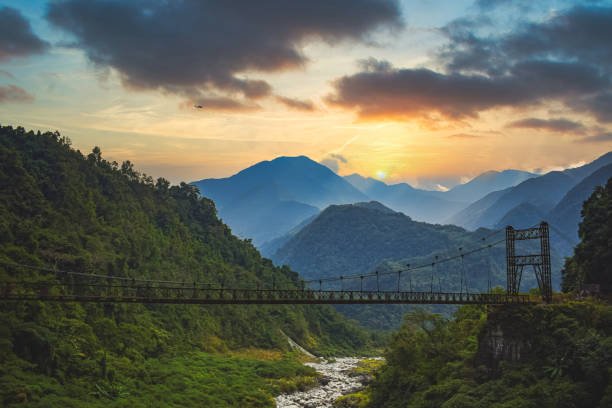
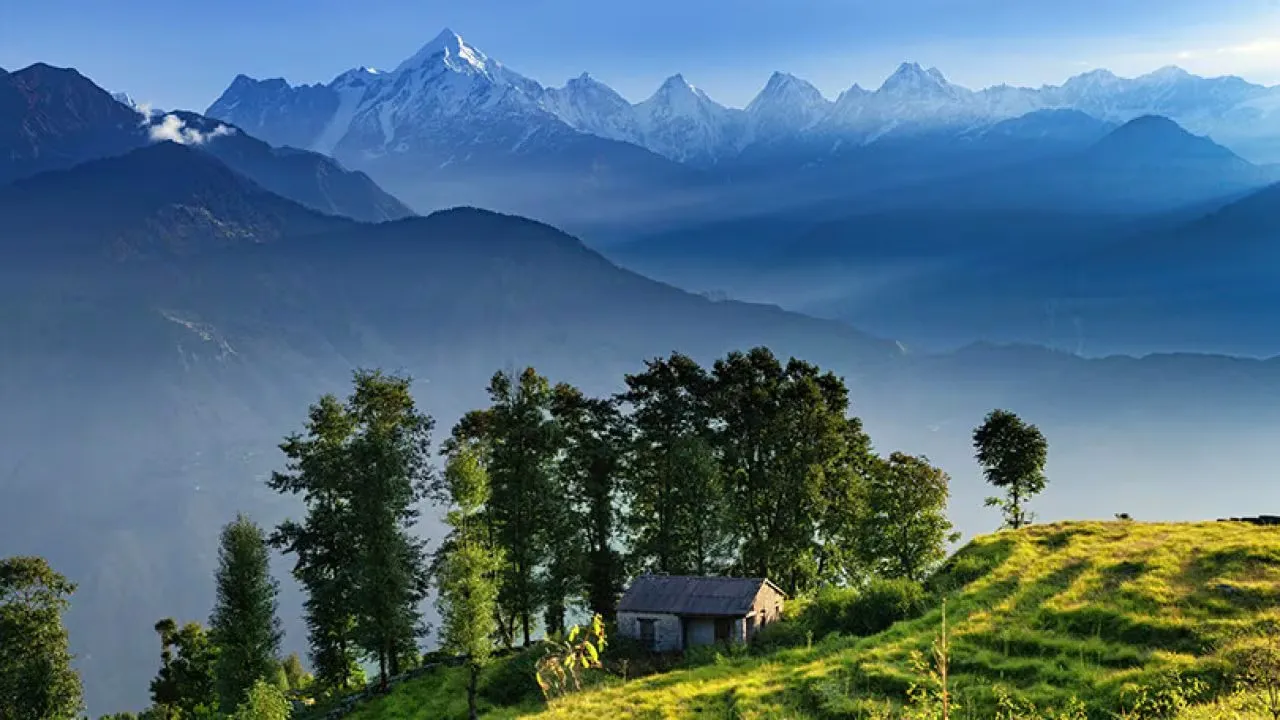
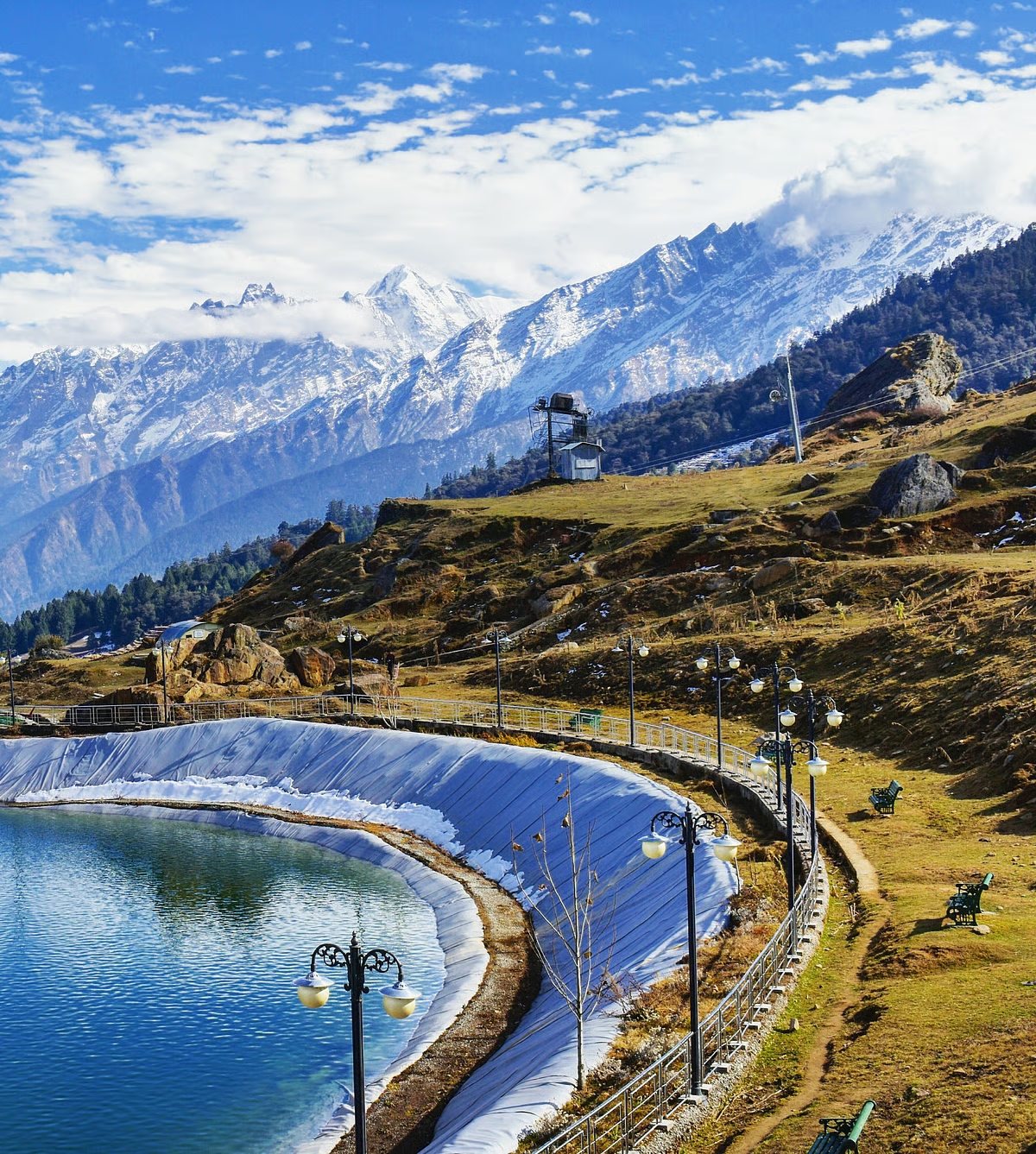
After weeks of monsoon rain, the hills around Rudraprayag, Guptkashi, Joshimath and the upper Himalayan valleys are beautifully green. On clearer days, the mountain views can be spectacular.
Another advantage is that September comes after the extremely busy May–June pilgrimage period.
That does not mean you should expect empty temples or completely traffic-free roads, but the experience can feel different from the peak summer rush.
For us, the biggest advantage of September is not simply “fewer crowds”.
It is the combination of green landscapes, post-monsoon atmosphere and the opportunity to complete Kedarnath and Badrinath together before the colder part of the season begins.
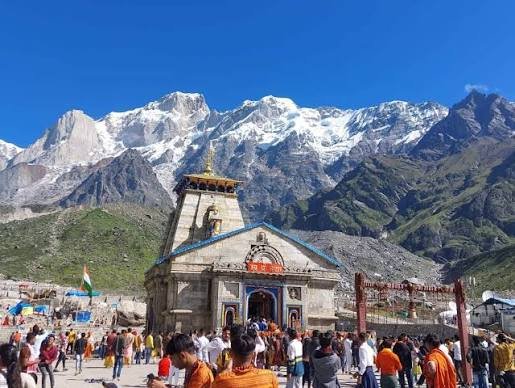
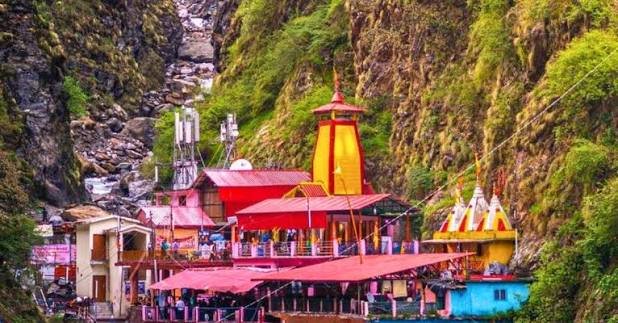
Kedarnath in September 2026
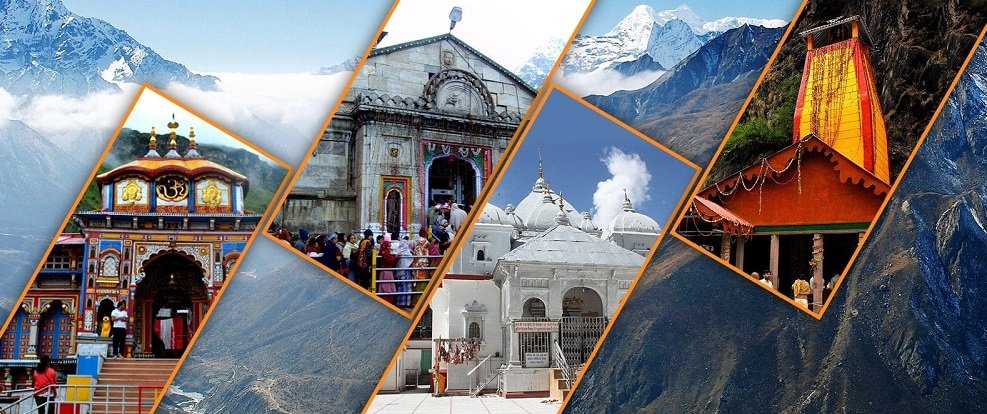
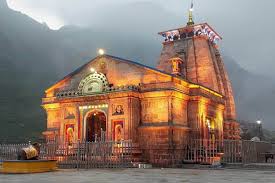
Kedarnath is the part of this journey that requires the most preparation.
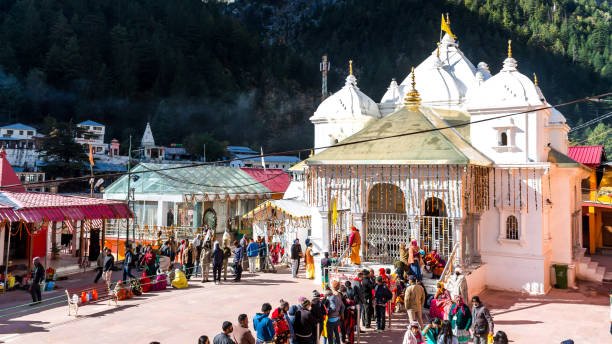
The temple sits high in the Himalayas, and reaching it involves travelling by road up to the Sonprayag/Gaurikund side and then continuing towards Kedarnath according to the prevailing pilgrimage arrangements.
Travellers should not compare Kedarnath weather with Haridwar, Rishikesh or even Guptkashi.
You may leave a relatively comfortable lower-altitude location and experience much colder conditions as you move towards Kedarnath.
September can also still receive rainfall, particularly during the earlier part of the month.
So even if the weather forecast looks good when you leave home, carry rain protection and warm clothing.
Kedarnath Road Journey in September
A typical journey from Haridwar towards Kedarnath follows approximately:
Haridwar → Rishikesh → Devprayag → Srinagar → Rudraprayag → Guptkashi → Sonprayag
From there, pilgrims proceed according to the local arrangements towards Gaurikund and the Kedarnath route.
This is a beautiful drive, but it is a Himalayan road journey.
September is still close enough to the monsoon that occasional rainfall, falling debris or temporary road interruptions cannot be completely ruled out.
Our practical suggestion is simple:
Start early and don't build your itinerary around an exact arrival minute.
If authorities temporarily stop traffic for road clearance or safety reasons, wait patiently rather than asking your driver to take an unfamiliar shortcut.
Kedarnath Trek in September
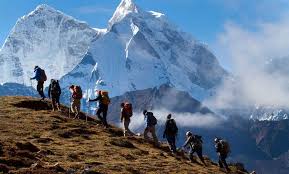
If you plan to reach Kedarnath on foot, prepare for changing weather.
A sunny morning does not guarantee the same conditions later in the day.
Carry a lightweight raincoat or poncho where you can reach it easily rather than packing it at the bottom of your luggage.
Good footwear matters too.
After rainfall, portions of the route can become wet or slippery. Comfortable shoes with a proper grip are much more useful than carrying fashionable but unsuitable footwear.
And most importantly, do not rush the climb just to match somebody else's pace.
Every traveller has a different level of fitness.
Kedarnath Helicopter Travel in September
For travellers who prefer helicopter travel, September can also be considered, but helicopter operations in the Himalayas remain weather-dependent.
Rain, fog, low cloud, poor visibility and other operational conditions can affect flight schedules.
This is particularly important to understand:
A confirmed helicopter ticket does not mean the aircraft can fly regardless of the weather.
Passenger safety and operational clearance come first.
A flight can be delayed even when the weather appears reasonable at your hotel because conditions around the helipad or higher Himalayan sectors may be different.
If you are travelling by helicopter, avoid keeping a very tight onward flight or train immediately after the expected completion of your pilgrimage.
A buffer day can save a lot of unnecessary stress.
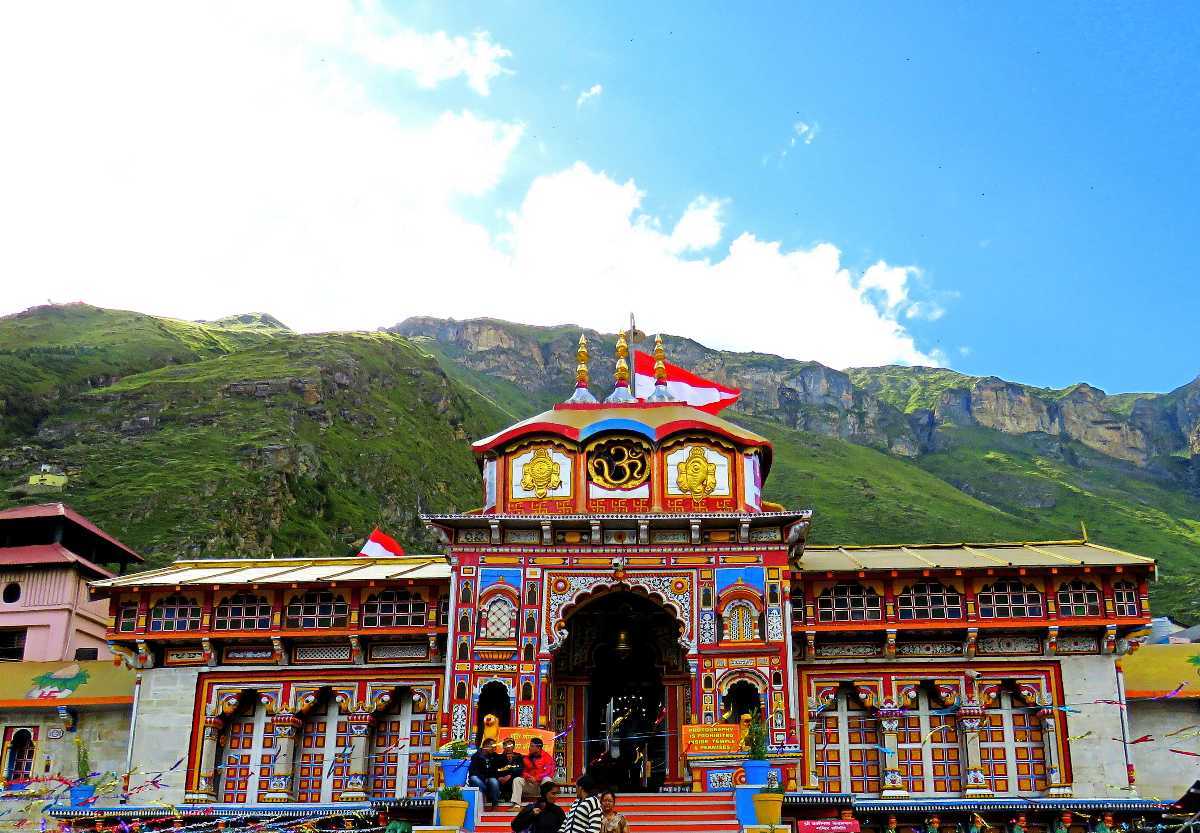
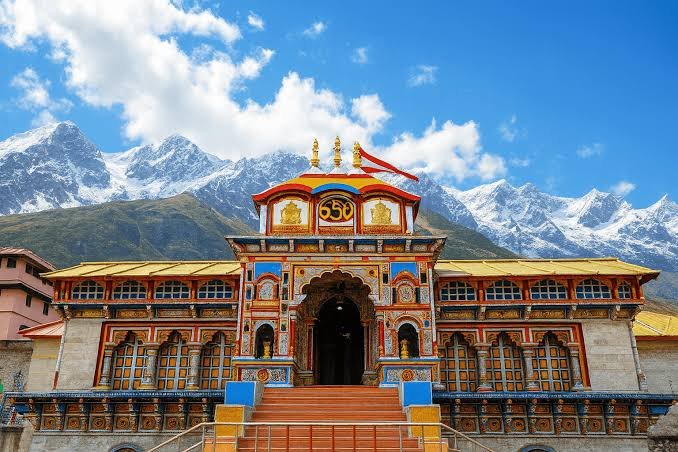
Badrinath in September 2026
Badrinath offers a different experience from Kedarnath.
Unlike Kedarnath, the main pilgrimage journey to Badrinath is primarily road-based, which makes it easier for many families and senior citizens.
The traditional route connects:
Rudraprayag → Karnaprayag → Nandprayag → Chamoli → Joshimath → Badrinath
The drive follows some of Uttarakhand's most beautiful Himalayan landscapes.
By September, the surrounding mountains and valleys can still carry the fresh green appearance left by the monsoon.
But again, don't treat September as completely rain-free.
Keep an eye on the latest weather and road advisories before moving towards Badrinath.
Don't Rush Badrinath Darshan
One mistake we often see in Uttarakhand itineraries is trying to fit too much into one day.
Someone calculates the distance on Google Maps, adds the normal driving time and assumes the journey will work exactly according to that calculation.
Mountain travel does not always work that way.
Traffic, roadwork, weather, pilgrimage movement and short stoppages can change the day's timing.
If you reach Badrinath after a long journey, allow yourself enough time to rest and experience the place rather than immediately worrying about the return drive.
The journey is part of the pilgrimage too.
Mana Village and Nearby Places
If road access and local regulations permit during your visit, travellers often combine Badrinath with nearby attractions around Mana.
Depending on available time and current access, the area offers a chance to experience the landscape and cultural character of the upper Himalayas.
Do not squeeze every sightseeing point into the itinerary simply because it appears on a list.
If weather is changing or your group is tired, prioritise the main purpose of the journey: Badrinath Darshan.
Suggested Kedarnath & Badrinath Itinerary from Haridwar
For most travellers, we prefer a comfortable itinerary rather than an unnecessarily rushed one.
Day 1 – Haridwar to Guptkashi
Start early from Haridwar.
Travel through Rishikesh, Devprayag, Srinagar and Rudraprayag towards Guptkashi.
Check into the hotel and rest.
Day 2 – Guptkashi to Kedarnath
Proceed towards Sonprayag/Gaurikund according to current local arrangements.
Continue towards Kedarnath by the chosen permitted mode of travel.
Complete darshan and stay overnight according to your itinerary and available arrangements.
Day 3 – Kedarnath to Guptkashi
After morning darshan, begin your return journey.
Reach Guptkashi and take proper rest.
Trying to add another long road journey on the same day can make the itinerary unnecessarily tiring.
Day 4 – Guptkashi to Badrinath
Travel via the appropriate operational route towards Badrinath.
Check into the hotel and, depending on arrival time and temple arrangements, plan darshan accordingly.
Day 5 – Badrinath to Rudraprayag
If time and conditions permit, complete remaining local visits before beginning the return journey.
Stay around Rudraprayag.
Day 6 – Rudraprayag to Haridwar
After breakfast, drive back towards Haridwar via Srinagar, Devprayag and Rishikesh.
This gives you a 5 Nights / 6 Days Do Dham journey without forcing every day into an unrealistic schedule.
What About a Faster Itinerary?
A shorter itinerary may be possible depending on your starting point, transport mode and whether you are using helicopter services.
But during September, we would rather keep reasonable travel time than create an attractive-looking itinerary that becomes difficult on the ground.
For families and senior citizens especially, comfort and flexibility are more important than saving one night.
September Weather – What Should You Expect?
September weather in Uttarakhand varies greatly by altitude.
Haridwar and Rishikesh may still feel relatively warm, while Kedarnath can feel considerably colder.
Badrinath also becomes cold, particularly in the mornings, evenings and at night.
Instead of planning around one fixed temperature mentioned in an article months earlier, check the latest forecast close to your departure date.
The practical rule is:
Pack for both rain and cold.
What Clothes Should You Carry?
You don't need to carry your entire winter wardrobe, but don't travel to Kedarnath with only normal summer clothes either.
Useful items include:
- Warm jacket
- Light thermal wear
- Raincoat or poncho
- Comfortable trekking shoes
- Extra socks
- Woollen cap
- Light gloves
- Quick-dry clothes
- Small towel
- Waterproof cover for your phone and documents
Keep one warm layer and rain protection in your day bag.
Do not put everything inside your main luggage where it may be difficult to access during the journey.
September Yatra for Senior Citizens
September can be a good option for senior citizens, but age alone should never be the only factor used to decide whether someone can undertake the journey.
Kedarnath is a high-altitude pilgrimage and involves physically demanding travel, particularly for those using the trekking route.
Senior travellers should avoid rushed schedules and take adequate rest.
People with existing medical conditions should seek advice from their doctor before undertaking high-altitude travel.
For Badrinath, road accessibility makes the journey comparatively easier, but altitude and cold weather still need to be considered.
Registration & Documents
Before leaving for the journey, check the current Uttarakhand Char Dham registration requirements applicable to your travel dates.
Rules and procedures can change, so do not rely entirely on an old screenshot, WhatsApp forward or previous year's information.
Keep your:
ID proof, registration details, hotel vouchers, transport details and emergency contacts easily accessible.
We also recommend keeping digital copies on your phone.
Road Safety After the Monsoon
September does not mean that every monsoon-related road risk disappears overnight.
After prolonged rain, some mountain slopes can remain vulnerable.
Before beginning a long hill journey, check the latest weather and road information.
If police or local authorities stop traffic at a particular point, respect the restriction.
Waiting for a road to reopen safely is better than taking an unnecessary risk.
Why a Buffer Day Makes Sense
If your schedule allows it, keeping one flexible day is a very sensible idea.
This becomes even more important if:
- You are travelling by helicopter
- Senior citizens are travelling with you
- You have a flight immediately after the pilgrimage
- Your trip is during early September
- The weather forecast shows unsettled conditions
You may never need that extra day.
But if you do, you will be glad it was there.
A Small Piece of Advice From ABD Holidays
After arranging Uttarakhand journeys for years, we have learned that the best itinerary is not necessarily the one that covers the most places in the least time.
A good Himalayan itinerary gives travellers time to travel, rest and enjoy the pilgrimage without constantly watching the clock.
September can be one of the most beautiful periods to see the green valleys around the Kedarnath and Badrinath routes.
But travel with respect for the mountains.
If rain delays you, wait.
If the road is temporarily stopped, don't rush.
If an elderly member of your family needs rest, change the schedule.
Darshan is important, but reaching home safely after the journey is equally important.
Frequently Asked Questions
Is Kedarnath suitable for September travel?
Yes, September can be a good time to visit Kedarnath, especially after the main monsoon period. However, mountain weather can change quickly, so travellers should check the latest weather and route conditions before starting the journey.
Is September better than October for Char Dham Yatra?
Both months offer different experiences. September generally offers greener landscapes after the monsoon, while October usually brings cooler weather and clearer mountain views. Travellers should choose according to weather conditions, fitness, preferred temperatures and the latest route updates.
Is September a good time for Kedarnath Yatra?
Yes, September can be a good time for Kedarnath Yatra, particularly as the peak monsoon gradually begins to ease. The landscape remains green and beautiful, but some rainfall is still possible. Check the latest weather and road conditions before travelling.
Is Badrinath open in September?
Badrinath Temple normally remains open during September. The temple usually closes later in the pilgrimage season. Always verify the official temple schedule before your journey.
Does rain affect Kedarnath helicopter flights?
Yes. Rain, fog, low clouds, visibility and other weather conditions can affect helicopter operations. Flights may be delayed, rescheduled or cancelled when conditions are unsuitable.
What clothes are required for Kedarnath in September?
Carry warm layers, a jacket, rain protection, comfortable trekking shoes, extra socks and a woollen cap. Temperatures can feel considerably colder around Kedarnath than in Haridwar or Rishikesh.
Can senior citizens visit Kedarnath and Badrinath in September?
Many senior citizens undertake the journey, but fitness, altitude and existing medical conditions need to be considered individually. Avoid rushed itineraries and seek medical advice before high-altitude travel where appropriate.
How many days are needed for Kedarnath and Badrinath together?
Around 5–6 days from Haridwar/Rishikesh provides a more comfortable road itinerary for many travellers. The actual duration depends on weather, road conditions, trekking plans and transport choices.
Is registration required?
Travellers should follow the Uttarakhand government's Char Dham registration rules applicable at the time of travel. Check the latest official requirements before departure.
Should I keep a buffer day for a helicopter itinerary?
Yes. Keeping at least one buffer day is advisable because Himalayan helicopter operations are weather-dependent. It also reduces the risk of a delay affecting your onward flight or train.
Can helicopter operations be affected by September weather?
Yes. Rain, fog, low cloud and visibility can affect helicopter operations, including delays, rescheduling or cancellation.
How many days should I keep for Kedarnath and Badrinath?
A 5–6 day road itinerary from Haridwar/Rishikesh can provide a more comfortable framework for many travellers, depending on weather, road conditions and trekking plans.
Kedarnath Yatra 2027
Badrinath Yatra 2027
Do Dham Yatra 2027
Plan Your Kedarnath & Badrinath Yatra with ABD Holidays
If you are planning your Kedarnath and Badrinath Yatra in September 2026, don't choose an itinerary only by looking at the lowest price or shortest duration.
Choose a journey that gives you enough time to travel comfortably.
ABD Holidays Pvt. Ltd. can assist with Do Dham Yatra packages, private taxi arrangements, hotels and helicopter-based travel options, depending on availability and prevailing operational conditions.
Whether you begin from Haridwar, Rishikesh or Dehradun, the itinerary can be planned according to your family size, travel dates and preferred comfort level.
Travel patiently. Respect the mountains. And give yourself enough time to experience the journey—not just complete it.
Contact ABD Holidays Pvt. Ltd.
Ready to Begin Your Char Dham Yatra?
Let our experienced team help you plan a safe, comfortable, and well-organised pilgrimage.
ABD Holidays Pvt. Ltd.
📍 Office: Haridwar, Uttarakhand, India
📞 Call / WhatsApp: +91-7535869999
🌐 Website: www.abdholidays.com
📧 Email: info@abdholidays.com