Home
Helicopter Packages
Kumb 2027 NEW
Car Rental
Hotels
Blogs

Best Price Guarantee

Compare quotes from top agents & save up to 10% on every trip

Trusted Customers

4.5★ Google rating across happy Customers

100% Secure Booking

Pay via ABD Holidays — fully protected money-safe guarantee

Best Time to Visit Kedarnath

A Local Expert's Guide to Planning the Perfect Kedarnath Yatra

Focus Keyword: Best Time to Visit Kedarnath


Best Time to Visit Kedarnath – A Complete Travel Guide 2027–2030

There are very few places in India that leave such a deep impression on travellers as Kedarnath.

Some people come here to fulfil a lifelong wish. Others visit after hearing stories from their parents or grandparents. Many simply want to stand before one of the twelve sacred Jyotirlingas of Lord Shiva and experience the peace that can only be felt in the Himalayas.

But almost every traveller asks us the same question before booking their journey:

"When is the best time to visit Kedarnath?"

After helping pilgrims travel across Uttarakhand since 2013, we've learned that there isn't one simple answer.

The best time depends on who is travelling, how you plan to reach the temple, whether you're trekking or flying by helicopter, and what kind of experience you're hoping for.

Some travellers dream of witnessing the temple opening ceremony in May. Others prefer quieter surroundings in September or October. Families often choose months with comfortable weather, while photographers wait for crystal-clear Himalayan views after the monsoon.

This guide is based not only on weather patterns but also on the real experiences we've gained while organising Kedarnath Yatras for thousands of pilgrims over the years.


Kedarnath Is More Than Just a Destination

When people talk about Kedarnath, they often focus on the temple.

But anyone who has completed the journey knows that Kedarnath is about much more than reaching the shrine.

It's the excitement of leaving Haridwar before sunrise.

It's watching the Mandakini River accompany you through the mountains.

It's meeting fellow pilgrims on the trek who become friends by the time you reach the temple.

It's hearing the temple bells echo against snow-covered peaks after a long day of walking.

These are the moments that stay with you long after the journey ends.


Why Choosing the Right Month Matters

Unlike many famous temples that remain open throughout the year, Kedarnath Temple opens only for around six months.

During winter, the temple area receives heavy snowfall, making access impossible. The idol of Lord Kedarnath is ceremonially moved to Omkareshwar Temple in Ukhimath, where worship continues until the next pilgrimage season.

Because of this limited opening period, choosing the right month becomes one of the most important decisions while planning your trip.

The month you choose can affect:

  • Weather conditions
  • Trekking comfort
  • Helicopter operations
  • Hotel availability
  • Crowd levels
  • Road travel
  • Photography opportunities
  • Overall pilgrimage experience

We've seen travellers enjoy an unforgettable journey simply because they planned well—and we've also seen others struggle because they didn't consider the season before booking.


One Question We Hear Every Season

As soon as the temple opening dates are announced, our office starts receiving phone calls from across India.

Some conversations go like this:

"We're bringing our parents. Which month would be most comfortable?"

Another traveller asks,

"We're planning to trek. Should we come in May or September?"

A family from Bengaluru recently asked,

"We only have five days. Is helicopter travel a better option for us?"

There is no one-size-fits-all answer.

Instead of recommending the same month to everyone, we first understand:

  • Are you travelling with senior citizens?
  • Is this your first Himalayan trip?
  • Are you comfortable trekking?
  • Are you travelling with children?
  • Do you prefer peaceful darshan or festive crowds?
  • Are you planning only Kedarnath or the complete Char Dham Yatra?

Only then do we suggest the most suitable travel period.


Quick Answer – Best Time to Visit Kedarnath

If you're looking for a short answer before reading the full guide, here it is.

The best months to visit Kedarnath are:

 May

Perfect for pilgrims who wish to witness the opening of the temple and enjoy the spiritual energy of the beginning of the yatra.


 June

Ideal for families, first-time visitors, and travellers looking for comfortable weather before the monsoon arrives.


 September

Often considered one of the best months because the skies become clearer after the monsoon, the mountains look spectacular, and the crowds are usually smaller.


❄ October

Best for pilgrims seeking peaceful darshan before the temple closes for winter. The weather is colder, but the atmosphere is calm and deeply spiritual.


Every Traveller Has a Different Priority

Over the years, we've realised that travellers usually fall into one of these groups.

Families

Families generally look for comfortable weather, reliable transport, and hotels close to the main route.

For them, June is often an excellent choice.


Senior Citizens

Many senior citizens prefer travelling before the monsoon or choosing helicopter services to reduce physical strain.

Proper planning can make the journey much more comfortable.


Adventure Lovers

Some travellers enjoy trekking through changing landscapes and don't mind cooler temperatures.

For them, September often offers an unforgettable experience.


Photography Enthusiasts

If your dream is to capture Kedarnath Temple against a backdrop of crystal-clear Himalayan peaks, September and early October usually provide the best visibility.


Why We Recommend Planning Early

One mistake we frequently see is travellers waiting until the last moment to book.

By then:

  • Good hotels are often sold out.
  • Helicopter seats become limited.
  • Taxi availability decreases.
  • Prices may increase during peak periods.

If you already know your preferred travel month, booking early gives you better choices and a more relaxed planning experience.


From Our Experience

During every pilgrimage season, we notice one thing:

The travellers who enjoy Kedarnath the most are not always the ones who spend the most money.

They're usually the people who travel without rushing.

They leave early.

They stay hydrated during the trek.

They keep an extra day in their itinerary.

And instead of treating Kedarnath as another tourist destination, they allow themselves time to truly experience the mountains.

Sometimes, the most memorable part of the journey isn't the destination itself—it's the quiet moments along the way.


What You'll Learn in This Guide

In the following sections, we'll cover everything you need to know before planning your Kedarnath Yatra.

You'll learn about:

  • The best month to visit Kedarnath
  • Month-wise weather conditions
  • Temple opening and closing dates
  • Trekking conditions
  • Helicopter travel
  • Road routes
  • What to pack
  • Common mistakes to avoid
  • Travel advice for families and senior citizens
  • Nearby places to visit
  • Frequently Asked Questions

Whether you're planning your first Kedarnath Yatra or returning after many years, this guide is designed to help you travel with confidence, comfort, and realistic expectations.


Before You Choose Your Travel Dates…

One final thought.

Many people search for the best time to visit Kedarnath, hoping for one perfect answer.

The truth is, the best time is the one that matches your health, your schedule, your travel style, and your spiritual purpose.

Some travellers find joy in the vibrant atmosphere of May.

Others treasure the peaceful silence of October.

Neither is better than the other.

The right choice is simply the one that allows you to experience Kedarnath in the way that feels most meaningful to you.
 

Month-wise Weather Guide, Temple Opening Season & Choosing the Right Time

If this is your first visit to Kedarnath, one thing may surprise you—the weather in the Himalayas can change very quickly.

A clear blue sky in the morning may turn cloudy by afternoon, and temperatures can drop sharply after sunset. We've often seen travellers leave Guptkashi wearing only a light jacket, only to realise they needed warmer clothing once they reached Kedarnath.

That's why choosing the right month isn't just about avoiding crowds—it's about making your entire journey safer, more comfortable, and more enjoyable.


Kedarnath Temple Opening & Closing Dates (2027–2030)

Every year, one of the first questions devotees ask is:

"When will Kedarnath Temple open?"

Unlike many temples in India, Kedarnath remains open for only about six months each year. During winter, heavy snowfall makes the temple inaccessible, and the idol of Lord Kedarnath is worshipped at Omkareshwar Temple, Ukhimath.

The official dates are announced every year after the religious ceremonies on Mahashivratri.

Tentative Opening & Closing Dates

Year Tentative Opening Tentative Closing
2027 11 May 2027 October/November 2027
2028 May 2028 October/November 2028
2029 May 2029 October/November 2029
2030 May 2030 October/November 2030

Planning Tip: If you're hoping to visit during the opening week, book your hotel, taxi, or helicopter package as early as possible. Availability becomes limited very quickly.


Kedarnath Weather Throughout the Yatra Season

Because Kedarnath is situated at an altitude of around 3,583 metres (11,755 feet), the weather remains cool even during the summer months.

Many travellers imagine May and June will feel warm, but the reality is quite different. Early mornings and nights are often cold enough to require woollen clothing.

Understanding these conditions before you travel helps you pack wisely and enjoy the journey without unnecessary discomfort.


May – The Beginning of the Divine Journey

For many pilgrims, there is no better feeling than witnessing the reopening of Kedarnath Temple after the long winter.

The atmosphere in May is unlike any other month. Fresh snow is still visible on nearby peaks, priests perform traditional rituals, and devotees from across India gather to celebrate the beginning of the pilgrimage season.

Why Many Pilgrims Choose May

  • Temple opening ceremony
  • Fresh Himalayan scenery
  • Snow-covered mountain views
  • Strong spiritual atmosphere
  • Pleasant daytime weather

Things to Remember

Because this is one of the busiest months, accommodation and helicopter tickets often sell out well in advance.

Temperature: 2°C to 15°C

June – Comfortable Weather for Most Travellers

If someone asked us to recommend one month for first-time visitors, June would usually be among our top choices.

The trekking route is generally in good condition, the weather is comfortable during the day, and most travel services operate smoothly.

Families travelling with children and senior citizens often find June to be one of the easiest months to plan their pilgrimage.

June is Ideal For

  • First-time visitors
  • Families
  • Group tours
  • Comfortable trekking
  • Helicopter travellers

Temperature: 5°C to 18°C


July – The Himalayas Turn Green

As the monsoon arrives, the landscape around Kedarnath changes dramatically.

The valleys become greener, waterfalls appear along the route, and the mountains look incredibly fresh.

While nature is at its best, travellers should remember that mountain weather can also become unpredictable.

Rain may occasionally affect road conditions or helicopter schedules.

July is Best For

  • Nature lovers
  • Flexible travellers
  • Photography enthusiasts

Temperature: 7°C to 17°C


August – Travel with Flexibility

August continues the monsoon season.

Some days offer beautiful weather, while others may bring heavy rain. If you're planning your journey during this month, it's a good idea to keep an extra day in your itinerary.

At ABD Holidays, we always advise August travellers to avoid tight schedules, especially if they have onward train or flight bookings.

Helpful Advice

  • Carry a raincoat.
  • Use waterproof bags.
  • Check weather updates regularly.
  • Allow extra travel time.

Temperature: 6°C to 16°C


September – A Favourite Among Experienced Travellers

If you ask local drivers or repeat visitors about their favourite month, many will say September.

After the monsoon, the mountains often look freshly washed, the skies become clearer, and the trekking route feels more peaceful.

We've had many travellers tell us that their September journey felt calmer and more enjoyable because they could spend more time at the temple without the heavy crowds of May and June.

Temperature: 4°C to 15°C


October – Peaceful Darshan Before Winter

October marks the final phase of the pilgrimage season.

The weather becomes colder, mornings are crisp, and evenings require proper winter clothing. The number of pilgrims gradually decreases, making it an excellent choice for those who prefer a quieter atmosphere.
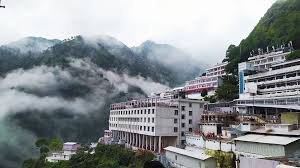
One of our guests described October perfectly:

"The silence around Kedarnath in October makes the temple feel even more special."

If you're comfortable with cooler temperatures, October offers a truly memorable experience.
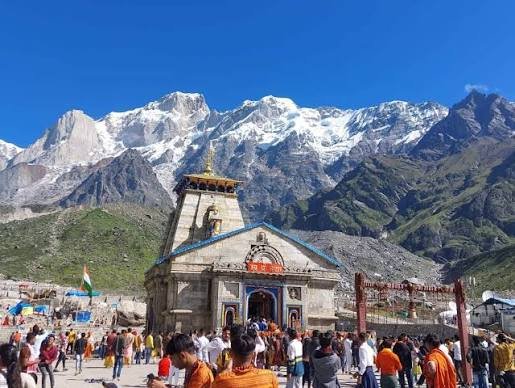
Temperature: -1°C to 12°C


Month-wise Comparison

Month Weather Crowd Best For
May Cool & Pleasant Very High Temple Opening & Devotees
June Comfortable High Families & First-Time Visitors
July Rainy Moderate Nature Lovers
August Rainy Moderate Flexible Travellers
September Clear & Pleasant Moderate Trekking & Photography
October Cold & Peaceful Low Quiet Spiritual Experience

Which Month Should You Choose?

The answer depends on what you're looking for.
Choose May if:

  • You want to witness the temple opening.
  • You enjoy the festive atmosphere.
  • You don't mind larger crowds.

Choose June if:

  • You're travelling with family.
  • This is your first Kedarnath Yatra.
  • You want comfortable trekking conditions.

Choose September if:

  • You love mountain photography.
  • You prefer clearer skies.
  • You want comparatively peaceful darshan.

Choose October if:

  • You enjoy quiet places.
  • You don't mind colder weather.
  • You want to experience Kedarnath before winter closes the temple.

From Our Experience

One lesson we've learned over the years is that travellers who don't rush their itinerary almost always have a better experience.

If possible, spend a night in Guptkashi or Sonprayag before beginning the trek or helicopter journey. Starting fresh the next morning is much easier than trying to cover a long road journey and the trek on the same day.

A well-rested traveller enjoys Kedarnath far more than a tired one.


Before You Finalise Your Dates

Every month offers something different.

May brings celebration.

June offers comfort.

September rewards you with breathtaking mountain views.

October gives you peace.

There is no universally "best" month—only the month that matches your travel style, your health, and the experience you're hoping to have.

That is the month you'll remember for years to come.
 

How to Reach Kedarnath: Routes, Trek Guide, Helicopter Services & Local Travel Tips

For many pilgrims, the journey to Kedarnath begins long before they catch their first glimpse of the temple.

It starts with an early morning drive from Haridwar, the sound of the Mandakini River flowing beside the road, small tea stalls tucked into the mountains, and conversations with fellow pilgrims who share the same destination.

At ABD Holidays Pvt. Ltd., we've been organising Kedarnath tours since 2013, and if there's one piece of advice we give every first-time visitor, it's this:

Don't think of Kedarnath as just another destination. The journey itself is part of the pilgrimage.

Every stop along the route—from Devprayag to Sonprayag—adds something meaningful to the experience.


Where is Kedarnath Located?

Kedarnath Temple is located in Rudraprayag district of Uttarakhand, at an altitude of approximately 3,583 metres (11,755 feet) above sea level.

Surrounded by snow-covered Himalayan peaks and situated near the source of the Mandakini River, the temple is one of the most sacred shrines dedicated to Lord Shiva and one of the twelve revered Jyotirlingas in India.

Unlike many famous temples that are accessible by road, reaching Kedarnath requires either a 16–18 km trek from Gaurikund or travelling by helicopter from nearby helipads.

For many devotees, this final stretch becomes the most memorable part of the entire journey.


Distance from Major Cities

Starting Point Distance Approx. Travel Time
Haridwar 240 km 8–9 Hours
Rishikesh 215 km 7–8 Hours
Dehradun 255 km 8–9 Hours
Jolly Grant Airport 245 km 8 Hours
Sonprayag 230 km 7–8 Hours
Gaurikund 235 km 8 Hours

Travel Tip: Mountain travel depends more on weather and road conditions than distance. Always avoid planning a very tight schedule.


Haridwar to Kedarnath Route

Haridwar is one of the most popular starting points for the Kedarnath Yatra.

The journey follows the Alaknanda and Mandakini river valleys before reaching Sonprayag.

Route

Haridwar → Rishikesh → Devprayag → Srinagar → Rudraprayag → Agastyamuni → Guptkashi → Phata → Sonprayag → Gaurikund → Kedarnath

This route is not only scenic but also spiritually significant, passing through sacred river confluences, ancient temples, and picturesque Himalayan towns.


Rishikesh to Kedarnath

If you're beginning your journey from Rishikesh, you'll enter the Himalayan region almost immediately.

As the road climbs higher, you'll notice:

  • Cooler temperatures
  • Dense forests
  • Deep river valleys
  • Beautiful mountain villages

Many travellers say this drive is one of the highlights of their Kedarnath Yatra.


Travelling from Dehradun

Visitors arriving by air usually land at Jolly Grant Airport, Dehradun.

From there, a private taxi is one of the most comfortable options.

Route:

Dehradun → Rishikesh → Devprayag → Srinagar → Rudraprayag → Guptkashi → Sonprayag

Private vehicles offer flexibility for sightseeing and rest breaks, especially if you're travelling with family or senior citizens.


Sonprayag – The Last Major Stop

Almost every pilgrim passes through Sonprayag before reaching Kedarnath.

This small town becomes extremely busy during the pilgrimage season because it serves as the main transit point for Kedarnath-bound travellers.

Here you'll find:

  • Hotels
  • Guest houses
  • Restaurants
  • Medical shops
  • Registration facilities
  • Parking areas

Many pilgrims choose to stay overnight in Sonprayag so they can begin the next day's journey early.


Gaurikund – Where the Trek Begins

From Sonprayag, local shuttle vehicles take pilgrims to Gaurikund, the official starting point of the Kedarnath trek.

According to Hindu tradition, Goddess Parvati performed intense meditation here to win Lord Shiva's blessings.

Before beginning the trek, many pilgrims visit the Gauri Temple and spend a few quiet moments in prayer.


Kedarnath Trek – What to Expect

The trek from Gaurikund to Kedarnath is approximately 16–18 km, depending on the route and operational conditions.

The path is well-developed, but it involves a steady uphill climb.

Along the way you'll find:

  • Tea stalls
  • Drinking water points
  • Medical camps
  • Rest shelters
  • Toilet facilities

Most pilgrims complete the trek in 6–9 hours, depending on their fitness level and pace.


Trekking Tips from Our Experience

Over the years, we've noticed that first-time trekkers often make the same mistakes.

Here are a few simple suggestions:

  • Start as early as possible in the morning.
  • Walk at a comfortable pace.
  • Take short breaks instead of long ones.
  • Drink water regularly.
  • Carry only essential items.
  • Wear comfortable trekking shoes.

Remember, Kedarnath is not a race.

The goal is to reach safely and enjoy the journey.


Pony, Palki & Porter Services

Not everyone is comfortable trekking long distances.

Fortunately, several options are available.

Pony

Suitable for pilgrims who are unable to walk the entire route.


Palki (Palanquin)

Recommended for elderly pilgrims and those with mobility challenges.


Porter Services

Useful for carrying luggage or assisting travellers who need additional support.

All services should be booked through authorised providers at Gaurikund.


Kedarnath by Helicopter

For many senior citizens, families with limited time, NRIs, and travellers with medical concerns, helicopter services provide a convenient alternative to the trek.

Flights generally operate from helipads such as:

  • Phata
  • Sersi
  • Guptkashi

The flight itself lasts only a few minutes, but the aerial view of the Himalayan landscape is unforgettable.

Many passengers tell us that seeing Kedarnath Temple from above is one of the most memorable moments of their pilgrimage.

Important: Helicopter operations are completely dependent on weather conditions. Delays or rescheduling may occur if visibility is poor or flying conditions are unsafe.


Which Option is Better – Trek or Helicopter?

The answer depends on your travel style.

Choose the Trek if:

  • You are physically fit.
  • You enjoy walking in the mountains.
  • You want the traditional pilgrimage experience.
  • You have enough time.

Choose Helicopter if:

  • You're travelling with senior citizens.
  • You have limited vacation time.
  • You prefer avoiding the long trek.
  • You have medical or mobility concerns.

Both options lead to the same destination—the choice simply depends on what suits you best.


Choosing the Right Vehicle

The road journey to Sonprayag is long, so selecting the right vehicle makes a noticeable difference.

Sedan

Ideal for couples or small families.

Examples:

  • Dzire
  • Etios (or similar)

SUV

Recommended for families of 4–6 members.

Popular options include:

  • Ertiga
  • Innova
  • Innova Crysta

Tempo Traveller

Perfect for:

  • Family groups
  • Religious groups
  • Friends travelling together

Force Urbania

A premium choice for larger groups seeking extra comfort during long mountain drives.


From Our Experience

One question we hear every season is:

"Can we drive from Haridwar, complete the trek, and return the same day?"

Technically, no—and practically, it's not advisable.

A comfortable Kedarnath journey should never be rushed.

Whenever possible, we recommend:

  • Day 1 – Reach Guptkashi or Sonprayag.
  • Day 2 – Visit Kedarnath.
  • Day 3 – Return comfortably.

A relaxed itinerary allows you to enjoy the temple, the mountains, and the journey without unnecessary stress.


A Small Suggestion Before You Begin the Trek

Many pilgrims focus only on reaching the temple quickly.

Instead, take a moment to look around.

Watch the Mandakini River flowing beside the trail.

Listen to the temple bells carried by the mountain breeze.

Smile at fellow pilgrims.

Sometimes the conversations you have on the trek become as memorable as the darshan itself.

That's one of the reasons why so many people return to Kedarnath again and again.
 

Places to Visit Near Kedarnath, Things to Do & Experiences You'll Always Remember

For many pilgrims, reaching Kedarnath Temple is the highlight of the journey.

But after spending more than a decade helping travellers explore Uttarakhand, we've realised something interesting:

The people who remember Kedarnath the most aren't always the ones who spent the longest time inside the temple.

They're often the travellers who stayed a little longer, visited nearby sacred places, sat quietly beside the Mandakini River, attended the evening aarti, and allowed themselves to truly experience the Himalayas.

If you're travelling all the way to Kedarnath, don't rush back immediately after darshan.

Spend a few extra hours exploring the places that make this sacred destination so special.


1. Kedarnath Temple – The Heart of the Himalayas

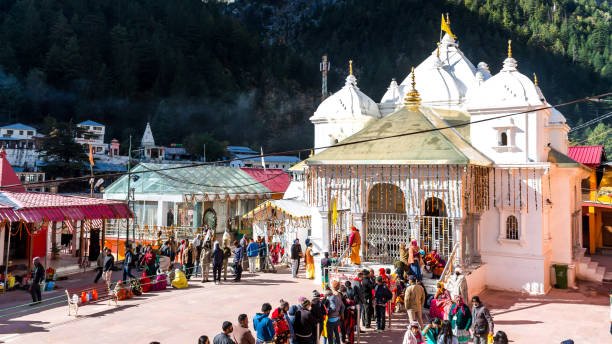
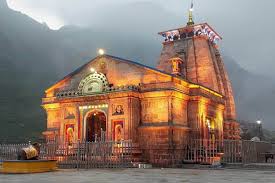
Standing at an altitude of 3,583 metres, Kedarnath Temple is one of the twelve Jyotirlingas of Lord Shiva and one of the holiest pilgrimage sites in India.

Surrounded by snow-covered Himalayan peaks, the temple has inspired pilgrims for centuries.

Many visitors tell us that photographs simply cannot capture the feeling of standing before the ancient stone temple after completing the journey.

Whether you've reached on foot or by helicopter, the first glimpse of Kedarnath is something you'll remember for years.


Attend Both Morning and Evening Aarti

If your itinerary allows, don't limit your visit to just the daytime darshan.

The morning aarti offers a peaceful beginning to the day, while the evening aarti creates an unforgettable spiritual atmosphere as temple bells echo through the mountains.

Many repeat visitors say the evening aarti became the most emotional moment of their pilgrimage.

If possible, stay overnight to experience it.


2. Bhairavnath Temple

Distance: Around 500 metres from Kedarnath Temple

A short uphill walk takes you to Bhairavnath Temple, dedicated to Lord Bhairav, who is believed to protect Kedarnath during the winter months after the temple closes.

The walk is relatively easy and rewards visitors with one of the finest panoramic views of Kedarnath Temple and the surrounding valley.

If you enjoy photography, this viewpoint is not to be missed.


3. Adi Shankaracharya Samadhi

Behind Kedarnath Temple lies the memorial dedicated to Adi Shankaracharya, the philosopher and saint who is believed to have revived Hindu pilgrimage traditions across India.

The area is peaceful and encourages quiet reflection.

Many pilgrims spend a few moments here after their temple visit before beginning their return journey.


4. Mandakini River

One of the simplest yet most meaningful experiences in Kedarnath is spending time beside the Mandakini River.

The sound of the fast-flowing water, combined with the silence of the mountains, creates an atmosphere that is difficult to describe.

One of our regular guests once said,

"I came for the temple, but I found peace sitting beside the Mandakini."

Sometimes the best memories aren't part of any itinerary.


5. Gandhi Sarovar (Chorabari Tal)

For travellers who enjoy short hikes, Gandhi Sarovar is a beautiful glacial lake located a few kilometres from Kedarnath.

Although access depends on weather and local conditions, the route offers spectacular mountain scenery.

Before planning this trek, always check the latest local advisories.


6. Vasuki Tal

Adventure enthusiasts sometimes include Vasuki Tal in their Kedarnath itinerary.

Located at a higher altitude, this lake requires a challenging trek and is recommended only for physically fit travellers with sufficient time.

The stunning reflections of Himalayan peaks in the clear water make the effort worthwhile.


Things to Do in Kedarnath

Many travellers ask us,

"Apart from darshan, what else should we do?"

Our answer is simple.

Slow down.

Kedarnath isn't a destination that should be rushed.

Here are a few experiences worth enjoying.


Spend Time Inside the Temple Complex

Instead of leaving immediately after darshan, sit quietly for a while.

Observe the pilgrims.

Listen to the chanting.

Feel the peaceful atmosphere.

Many visitors say these quiet moments stay with them longer than the journey itself.


Watch Sunrise Over the Mountains

If you're staying overnight, wake up early.

Watching the first rays of sunlight illuminate the snow-covered peaks behind Kedarnath Temple is an unforgettable sight.

No photograph truly does it justice.


Visit Bhairavnath Temple

Besides its religious importance, the viewpoint offers some of the best photographs of the entire Kedarnath valley.


Walk Around the Temple Area

Take your time exploring the surroundings.

The crisp mountain air, colourful prayer flags, and the sound of temple bells create an atmosphere unlike anywhere else in India.


Local Food in Kedarnath

After completing the trek, even a simple meal feels incredibly satisfying.

Most restaurants and small eateries serve freshly prepared vegetarian food.

Popular options include:

  • Aloo Paratha
  • Rajma Chawal
  • Dal Rice
  • Maggi
  • Tea
  • Coffee
  • Khichdi

Don't expect luxury dining.

Instead, enjoy the simplicity that makes mountain travel so special.


Shopping Near Kedarnath

Before returning, many pilgrims purchase small souvenirs as memories of their journey.

Popular items include:

  • Rudraksha malas
  • Prayer beads
  • Woollen caps
  • Shawls
  • Religious books
  • Lord Shiva idols
  • Temple photographs

Buying from local shops also supports the mountain communities that welcome pilgrims every year.


Photography Tips

If photography is important to you, here are a few suggestions.

Best Time

  • Early morning
  • Late afternoon

Popular Subjects

  • Kedarnath Temple
  • Bhairavnath Temple
  • Snow-covered mountains
  • Mandakini River
  • Sunrise
  • Evening aarti
  • Trekking route

Always remember to respect temple rules regarding photography.


From Our Experience

One thing we've noticed over the years is that many travellers try to leave Kedarnath immediately after darshan because they're worried about reaching Sonprayag before evening.

Whenever possible, we recommend staying a little longer.

Spend an extra hour walking around the temple.

Sit quietly beside the Mandakini River.

Visit Bhairavnath Temple.

These simple moments often become the most cherished memories of the entire pilgrimage.


A Few Things Most Travel Guides Don't Tell You

Every destination has its own rhythm.

Kedarnath is no different.

The mountains don't move quickly.

The river doesn't rush for anyone.

The temple has stood here through snowstorms, floods, and changing generations.

Perhaps that's why so many people leave Kedarnath feeling calmer than when they arrived.

If you allow yourself to slow down—even for a little while—you may discover that the real journey isn't only to Kedarnath.

It's also inward.


Why Travellers Return Again

Over the last 13+ years, we've met pilgrims who have visited Kedarnath once…

…and then returned again.

Not because they missed seeing the temple.

But because they missed the feeling they experienced while they were there.

That quiet morning.

That mountain breeze.

That peaceful walk.

Those are the memories that keep calling people back.
 

Frequently Asked Questions, Expert Travel Tips & Why Choose ABD Holidays

Planning a Kedarnath Yatra is exciting, but it's natural to have questions—especially if it's your first visit to the Himalayas.

Over the past 13+ years, we've spoken with thousands of pilgrims. Some wanted to know the best month to travel, while others were concerned about the trek, helicopter services, accommodation, or travelling with elderly parents.

The answers below are based on the questions we hear most often and the practical experience we've gained while organising Kedarnath Yatras across Uttarakhand.


From Our Experience

Over the last 13+ years, we've learned that the most memorable Kedarnath journeys are rarely the fastest ones.

The travellers who enjoy the experience the most are usually those who:

  • Begin their journey early.
  • Keep an extra day in their itinerary.
  • Spend time at the temple instead of rushing back.
  • Take in the beauty of the Himalayas rather than focusing only on reaching the destination.

Kedarnath isn't a place to hurry through. It's a place to experience slowly.


Why Choose ABD Holidays Pvt. Ltd.?

Planning a Himalayan pilgrimage involves more than booking a hotel or arranging transport. It requires local knowledge, careful coordination, and support throughout the journey.

Here's Why Travellers Trust Us

  •  Serving pilgrims across Uttarakhand since 2013
  •  Local travel experts based in Haridwar
  •  Professionally managed Kedarnath, Do Dham & Char Dham tours
  •  Experienced hill drivers familiar with mountain routes
  •  Comfortable hotels and guest houses
  •  Private taxis, SUVs, Tempo Travellers & Force Urbania
  •  Senior citizen and family-friendly itineraries
  •  Transparent pricing with no hidden surprises
  •  Dedicated assistance before and during your journey

Plan Your Kedarnath Yatra with Confidence

Every Kedarnath journey is unique.

Some travellers come to seek blessings.

Some come to fulfil a lifelong dream.

Others simply want to experience the peace of the Himalayas.

Whatever brings you here, careful planning can make the journey more comfortable, meaningful, and memorable.

If you're planning your Kedarnath Yatra between 2027 and 2030, our team at ABD Holidays Pvt. Ltd. is ready to help you with customised packages, reliable transport, comfortable accommodation, and personalised guidance every step of the way.

We look forward to being part of your spiritual journey.
 

⭐⭐⭐⭐⭐ "Everything Was Perfect!"
"Our Char Dham Yatra with ABD Holidays was exceptionally well organised. The hotels, vehicle, and continuous support exceeded our expectations. Every detail was taken care of, allowing us to focus entirely on our spiritual journey. Thank you for making this pilgrimage so memorable."
— Suchindra Patil


⭐⭐⭐⭐⭐ "A Comfortable Journey for Our Parents"
"We planned this trip especially for our parents, and the ABD Holidays team handled everything with great care. From hotel arrangements to transportation, the service was smooth throughout. A special thanks to Jahanvi and the entire team for their constant support."
— Dhruv Neema


⭐⭐⭐⭐⭐ "Safe Driving & Excellent Service"
"Our Kedarnath trip was an amazing experience. The hotels were comfortable, the vehicle was clean, and our driver Rajesh Yadav was professional, helpful, and ensured a safe journey through the mountains. We highly recommend ABD Holidays."
— Pampa Chakraborty


⭐⭐⭐⭐⭐ "Beyond Our Expectations"
"Our Do Dham Yatra was beautifully managed from start to finish. The accommodation, food, transport, and coordination were all beyond our expectations. We truly appreciated the professionalism of the entire ABD Holidays team."
— Dr. Debarati Bhar


⭐⭐⭐⭐⭐ Trusted by Thousands Since 2013

At ABD Holidays Pvt. Ltd., every itinerary is planned with care because we understand that a pilgrimage is more than just a holiday—it's a journey of faith. Whether you're travelling with family, senior citizens, or friends, our goal is to provide a safe, comfortable, and memorable travel experience from beginning to end.


Questions About Best Time to Visit Kedarnath

1. What is the best time to visit Kedarnath?

The best time to visit Kedarnath is generally May, June, September, and October. These months usually offer comfortable weather and a pleasant pilgrimage experience.

2. Which month has the least crowd in Kedarnath?

September and early October are often less crowded than May and June, making them a good choice for travellers seeking a quieter atmosphere.

3. Is May a good month to visit Kedarnath?

Yes. May is ideal if you want to witness the temple opening ceremony and experience the excitement of the pilgrimage season.

4. Is June better than May?

June usually offers slightly warmer weather and comfortable trekking conditions, while May is known for its festive atmosphere and fresh mountain scenery.

5. Can I visit Kedarnath during the monsoon?

Yes, but travel during July and August requires flexibility. Rain can affect road conditions and helicopter operations, so it's wise to allow extra travel time.

6. Is September the best month for Kedarnath?

Many experienced travellers prefer September because the skies are often clearer after the monsoon, offering beautiful mountain views and comparatively fewer crowds.

7. Is October too cold for Kedarnath?

October is colder than the earlier months, especially in the mornings and evenings, but many pilgrims enjoy the peaceful atmosphere before the temple closes for winter.

8. When does Kedarnath Temple usually open?

The temple generally opens in April or May, with the exact date announced every year after the traditional religious ceremonies.

9. When does Kedarnath Temple close?

The temple usually closes in October or November, before heavy winter snowfall begins.

10. How difficult is the Kedarnath trek?

The trek is moderately challenging. Most pilgrims complete it in 6 to 9 hours, depending on their fitness and walking pace.

11. Is the trek suitable for beginners?

Yes, many first-time trekkers complete the journey successfully. Walking at a comfortable pace and taking regular breaks makes a big difference.

12. Can senior citizens visit Kedarnath?

Yes. Many senior citizens choose helicopter services or use authorised pony and palki services to make the journey more comfortable.

13. Is helicopter service available for Kedarnath?

Yes. Helicopter services usually operate from helipads such as Phata, Sersi, and Guptkashi, subject to weather and operational conditions.

14. Which is better: Trek or helicopter?

If you're physically fit and want the traditional pilgrimage experience, the trek is rewarding. If you have limited time or mobility concerns, a helicopter is often the better option.

15. What clothes should I pack?

Carry warm jackets, thermal wear, gloves, woollen caps, comfortable trekking shoes, rain protection, and extra socks, even during summer.

16. Is accommodation available near Kedarnath?

Yes. Guest houses, lodges, camps, and hotels are available in Kedarnath and nearby locations such as Guptkashi, Phata, and Sonprayag.

17. Which is the nearest airport to Kedarnath?

Jolly Grant Airport, Dehradun, is the nearest airport connected to the Kedarnath route by road.

18. Which is the nearest railway station?

Haridwar and Rishikesh are the nearest major railway stations for pilgrims travelling to Kedarnath.

19. Can I complete the Kedarnath Yatra in one day?

While it's technically possible in some cases, a more relaxed itinerary with an overnight stay is generally more comfortable and enjoyable.

20. What food is available during the trek?

You'll find simple vegetarian meals, tea, coffee, snacks, Maggi, parathas, dal-rice, and other basic food options along the route.

21. Is mobile network available?

Most major networks work in parts of the route, but connectivity may be limited in some areas because of the mountainous terrain.

22. Are ATMs available?

ATMs are available in larger towns along the route, but it's advisable to carry sufficient cash before reaching remote areas.

23. Can I travel with children?

Yes. Families with children regularly visit Kedarnath. Good planning, warm clothing, and regular rest breaks are recommended.

24. What are the biggest mistakes first-time travellers make?

Common mistakes include:

Packing too much luggage
Starting the trek late
Underestimating the weather
Not booking accommodation in advance
Ignoring weather forecasts

25. How early should I book my Kedarnath trip?

If you're travelling in May or June, booking your transport, hotel, and helicopter (if required) at least 1–2 months in advance is recommended.

26. Why should I choose a local Uttarakhand travel company?

Local travel experts understand mountain routes, seasonal conditions, accommodation options, and practical travel challenges, helping you enjoy a smoother journey.

27. Why do travellers choose ABD Holidays?

Since 2013, ABD Holidays Pvt. Ltd. has been helping pilgrims explore Uttarakhand with professionally planned itineraries, experienced hill drivers, comfortable hotels, and personalised travel support.

28. Does ABD Holidays provide customised Kedarnath packages?

Yes. Whether you're travelling as a couple, family, group, or senior citizen, we can customise your itinerary according to your travel plans and preferences.

29. Can I combine Kedarnath with Badrinath?

Yes. Many travellers choose the Do Dham Yatra, which covers both Kedarnath and Badrinath in one well-planned pilgrimage.

30. How can I book my Kedarnath Yatra?

Simply contact the ABD Holidays team with your travel dates, group size, and preferred package. We'll help you choose the right itinerary, accommodation, and transport for a comfortable pilgrimage.

Do Dham Yatra package comparison — Budget at ₹23,000 per person and Premium at ₹35,000 per person

Popular Routes

ABD Holidays website footer with contact information, navigation links, and social media

ABD Holidays