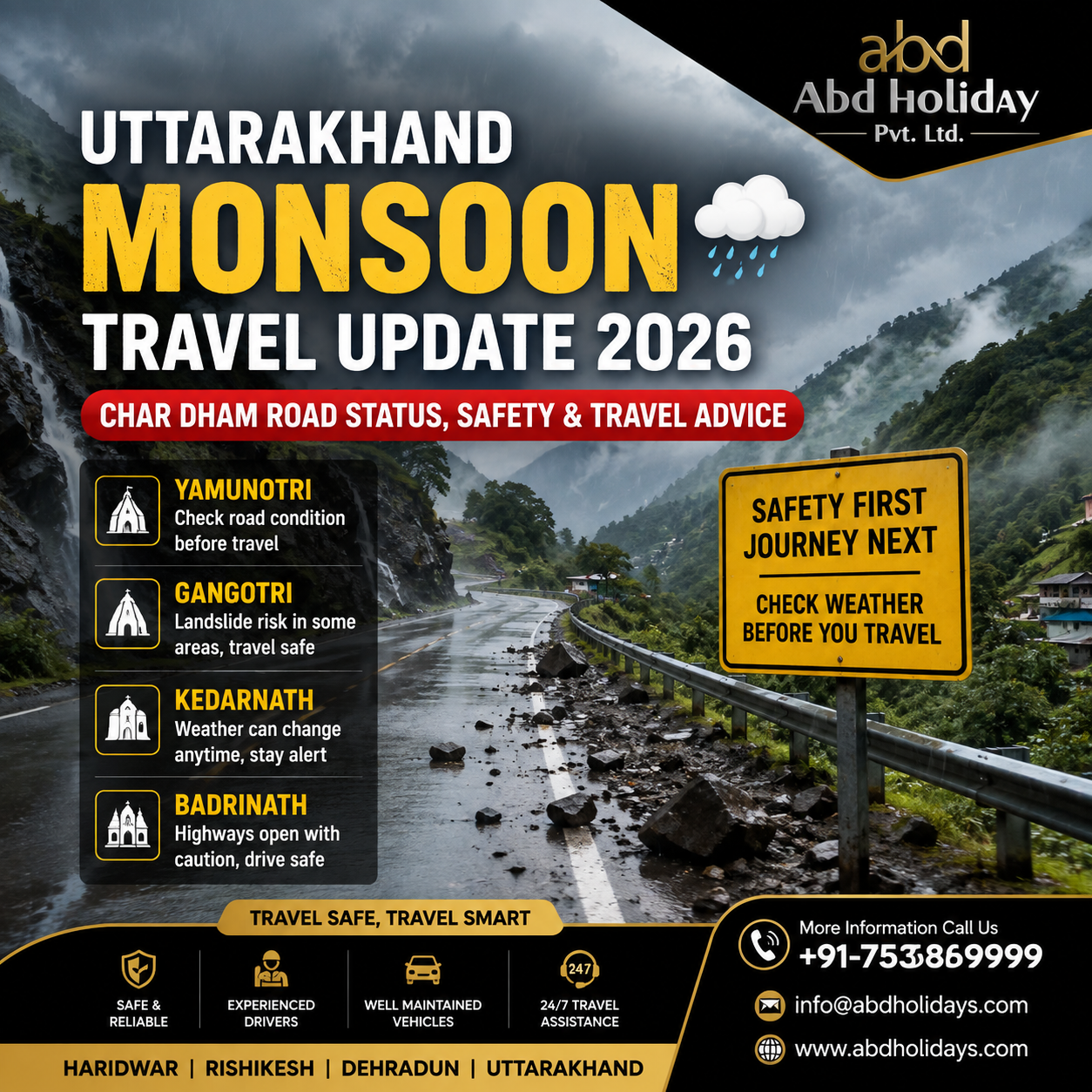
Uttarakhand Monsoon Travel Update 2026 – Char Dham Road Status, Safety & Travel Advice
If you are planning a Char Dham Yatra or a road trip to Uttarakhand during August 2026, there is one thing you should keep in mind before starting your journey: in the mountains, the weather can change faster than your travel plan.
The monsoon has been active across Uttarakhand, and recent spells of heavy rain have affected several hill routes. Landslides, falling debris, swollen rivers and temporary road blockages can make travel slower and, at times, unsafe.
This does not necessarily mean that every Char Dham route is closed or that every journey should be cancelled. It means travellers need to be more flexible and much better informed before travelling.
At ABD Holidays Pvt. Ltd., we regularly operate trips across Uttarakhand, and our advice during the monsoon is simple:
Do not start a hill journey based only on yesterday's road update. Check the weather and road situation again on the morning of travel.
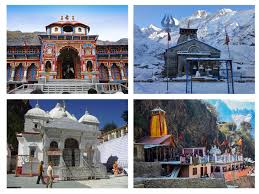
This Uttarakhand Monsoon Travel Update 2026 explains the current situation, the routes that require extra attention and the precautions you should take if you are travelling towards Yamunotri, Gangotri, Kedarnath or Badrinath.
Uttarakhand Monsoon Situation – August 2026
August is one of the wettest periods in Uttarakhand.
During continuous or intense rainfall, mountain roads can be affected by:
- Landslides
- Falling rocks and loose debris
- Temporary highway closures
- Water flowing across roads
- Reduced visibility
- Traffic congestion near blocked sections
- Rising river and stream levels
- Longer-than-normal travel times
Recent heavy rainfall has again highlighted these risks, particularly on some Char Dham routes.
The important point for travellers is that a road shown as blocked in the morning may reopen after debris clearance, while another stretch may become temporarily affected later in the day.
Therefore, consider any online road-status update as a snapshot of that particular time, not a guarantee for the entire day.
Char Dham Yatra After Monsoon 2026 – Is September Better Than August?
August and September offer very different travel conditions for pilgrims planning the Char Dham Yatra in Uttarakhand. August falls within the active monsoon period, when rainfall can affect road journeys, trekking plans and helicopter operations. By September, rainfall may begin to reduce, but mountain weather can still change quickly.
For many travellers, September can be a more practical period than August because conditions may gradually improve after the peak monsoon weeks. However, it should not be treated as a guaranteed rain-free or disruption-free month.
Anyone travelling during either month should keep some flexibility in the itinerary and check the latest official weather and road information close to departure.
August vs September 2026: Which Is Better for Char Dham Yatra?
August is generally associated with stronger monsoon influence across Uttarakhand. Heavy rainfall can occasionally affect mountain roads, increase travel time and cause temporary disruptions on pilgrimage routes.
September can offer a more comfortable travel window as the monsoon gradually begins to withdraw. Travellers may experience comparatively better road conditions and clearer periods, but rain, landslides, temporary road restrictions and sudden weather changes can still occur.
For travellers who have flexibility in their dates, September may therefore be preferable to August. The final decision should be based on the latest weather forecast and official travel advisories rather than the month alone.
Check Current Weather and Road Conditions Before Travel
Weather and road conditions in Uttarakhand can change quickly during the monsoon and post-monsoon period. A route reported open in the morning may face temporary restrictions later because of rainfall, landslides, traffic management or road-maintenance work.
For this reason, travellers should avoid relying on an old “road open” or “road closed” statement while planning their journey.
Before departure, check the latest Char Dham weather forecast from the India Meteorological Department (IMD) and follow current advisories issued by the relevant Uttarakhand authorities. It is also sensible to reconfirm conditions before beginning each major mountain-sector journey.
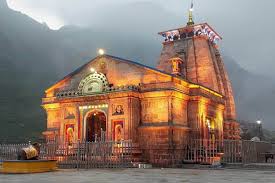
Kedarnath Yatra in September 2026
September can be considered by pilgrims who prefer to travel after the peak monsoon period, but Kedarnath remains a high-altitude Himalayan destination where weather conditions can change rapidly.
Travellers should be prepared for rain as well as colder conditions, particularly during the early morning, evening and at higher elevations. Suitable rain protection, warm clothing and comfortable walking footwear should remain part of the packing plan.
Those travelling by road should keep sufficient time for the journey towards Sonprayag and avoid planning an overly tight itinerary. A buffer day can be particularly useful if weather or road conditions affect the planned schedule.
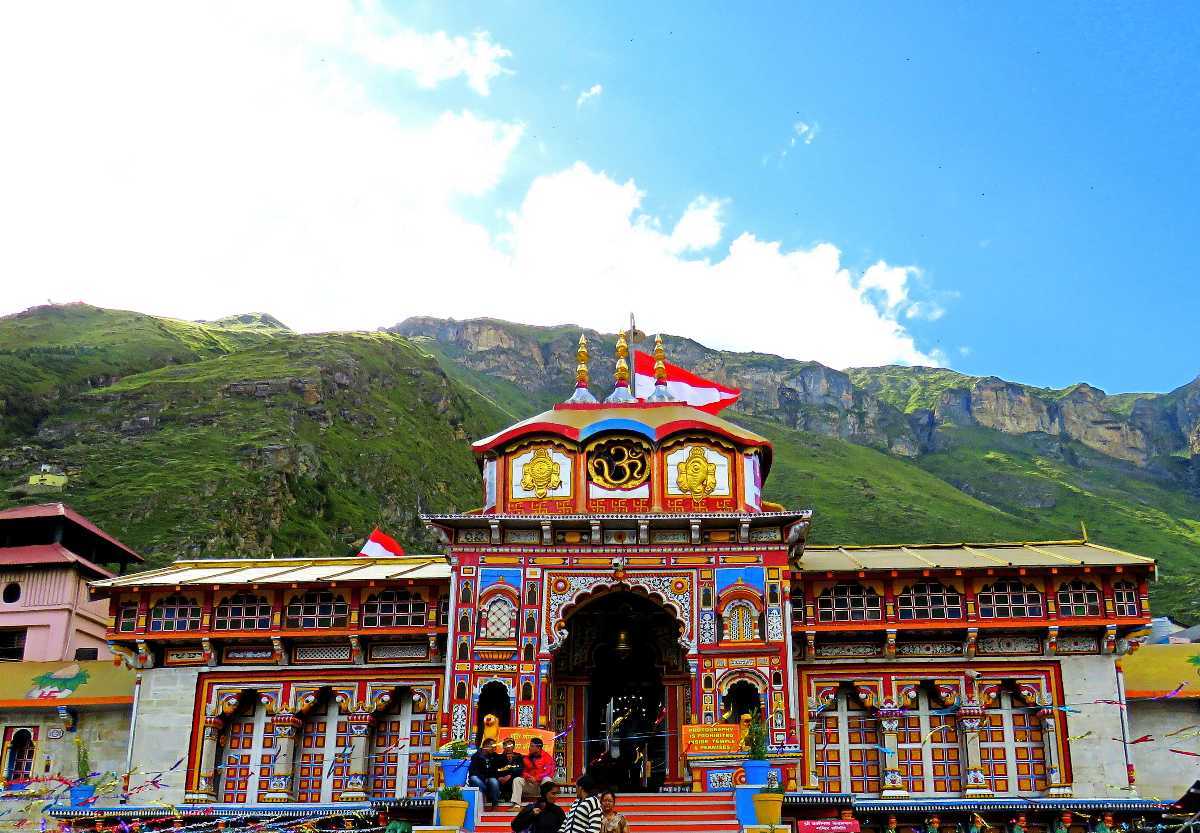
Badrinath Yatra in September 2026
September can also be a practical period for a Badrinath pilgrimage, particularly for travellers who prefer to avoid the stronger monsoon conditions that can occur during August.
The journey, however, continues through mountainous terrain where rainfall, traffic or temporary road restrictions can affect travel time. Travellers should therefore check current conditions before departure rather than assuming that the route will remain unaffected throughout September.
A comfortable itinerary with sufficient rest and some flexibility is preferable to planning long driving hours with very tight arrival schedules.
Is September Suitable for Senior Citizens?
September may be considered by senior citizens who want to avoid some of the stronger monsoon conditions associated with August, but suitability depends on individual fitness, weather conditions and the chosen itinerary.
A relaxed schedule with shorter travel days, comfortable accommodation and adequate rest is preferable. Travellers with existing health concerns should seek appropriate medical advice before visiting high-altitude destinations.
Warm clothing, rain protection, regular hydration and sufficient buffer time should also be included in the travel plan.
Char Dham Registration for 2026
Travellers should follow the registration requirements applicable to the 2026 Char Dham Yatra and complete the required process before travelling.
Registration information and related traveller services should be checked through the official Uttarakhand Tourist Care system. Travellers should use official sources for the latest requirements rather than relying on old screenshots, forwarded messages or unofficial registration links.
So, Is September Better Than August for Char Dham Yatra?
For many pilgrims, September can be a more practical choice than August as the peak monsoon period begins to ease. It may offer better opportunities for road travel and pilgrimage planning, particularly for travellers who can keep their itinerary flexible.
However, September should not be described as completely safe from rain, landslides, road disruptions or helicopter delays. Conditions in the Himalayas can change quickly.
The best approach is to plan a realistic itinerary, keep at least some buffer time, check official weather and travel information close to departure, and remain flexible if conditions require a change in schedule.
Char Dham Road Status – What Travellers Should Know
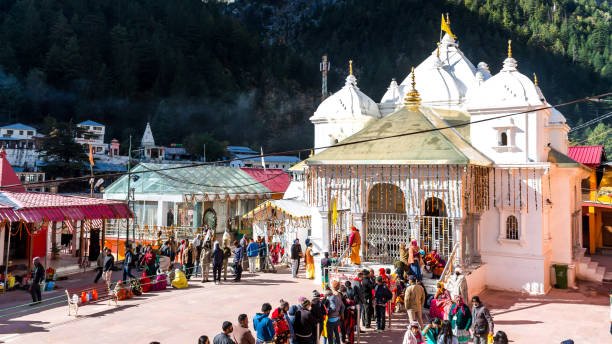
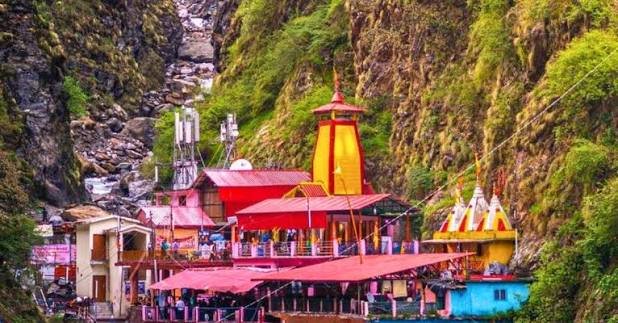
1. Yamunotri Route
The usual road journey towards Yamunotri follows:
Haridwar/Rishikesh → Dehradun/Mussoorie → Barkot → Janki Chatti → Yamunotri
The final journey to Yamunotri Temple involves travelling to Janki Chatti followed by the pilgrimage route towards the shrine.
During the monsoon, the Barkot–Yamunotri side can experience rainfall-related disruption, falling debris and temporary road blocks.
Our Advice
If you are travelling towards Yamunotri:
Start early in the morning and avoid planning a very tight itinerary.
Keep additional travel time between Barkot and Janki Chatti and check the local road situation before leaving your hotel.
If the administration or police temporarily stops traffic, wait for official clearance rather than trying to use an unfamiliar alternative mountain road.
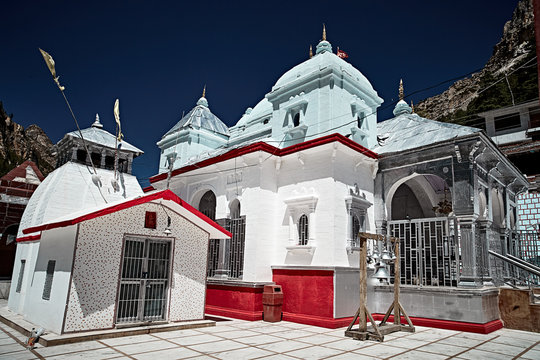
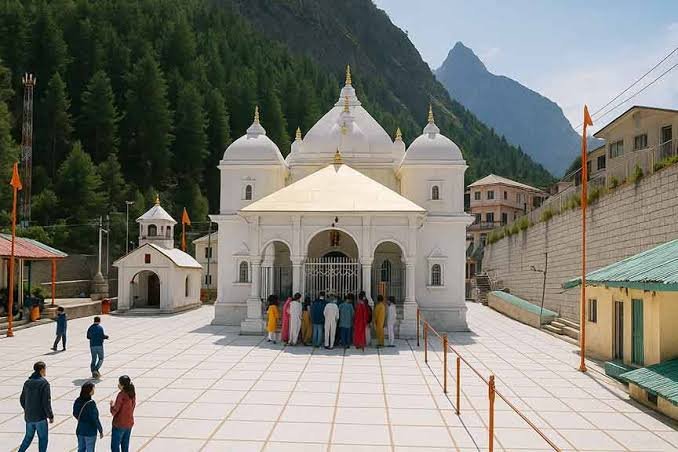
2. Gangotri Route
The normal route is:
Haridwar/Rishikesh → Chamba → Uttarkashi → Harsil → Gangotri
Gangotri is approximately 100 km by road from Uttarkashi.
Recent monsoon rainfall has affected the Gangotri highway at different locations, with debris and landslides creating temporary disruptions.
For travellers, Uttarkashi is an important checkpoint.
Before proceeding towards Harsil or Gangotri, confirm the road condition locally.
ABD Travel Tip
Do not assume that reaching Uttarkashi means you will definitely reach Gangotri at the originally planned time.
Keep your hotel bookings and next day's itinerary flexible during periods of heavy rain.
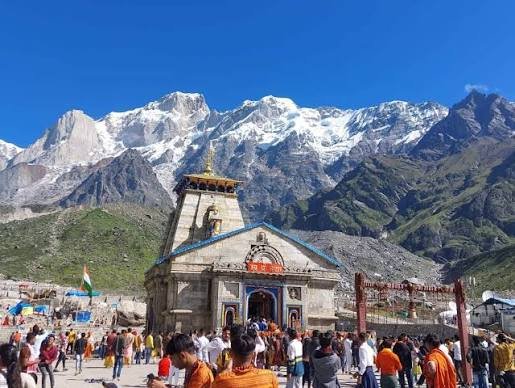
3. Kedarnath Route
The common road journey towards Kedarnath is:
Haridwar/Rishikesh → Devprayag → Srinagar → Rudraprayag → Guptkashi → Sonprayag
From Sonprayag, pilgrims continue towards Gaurikund and then proceed towards Kedarnath.
The Kedarnath region receives significant rainfall during the monsoon, and the journey includes both mountain roads and trekking terrain.
Heavy rainfall can affect:
- Road movement towards Sonprayag
- Local traffic arrangements
- Trekking conditions
- Helicopter operations
- Travel time between Rudraprayag, Guptkashi and Sonprayag
Important Advice for Kedarnath Pilgrims
Do not plan the Kedarnath trek late in the day during unstable weather.
Carry a good-quality raincoat or poncho, waterproof protection for your documents and suitable trekking footwear.
If travelling with senior citizens or children, keep extra buffer time in your itinerary.
If you have a helicopter booking, remember that helicopter operations are weather-dependent. A confirmed booking does not guarantee that a flight will operate in poor weather.
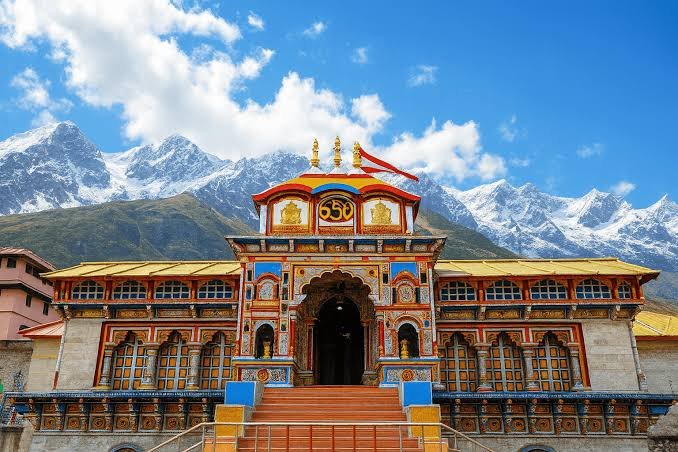
4. Badrinath Route
The usual route is:
Haridwar/Rishikesh → Devprayag → Srinagar → Rudraprayag → Karnaprayag → Nandprayag → Chamoli → Joshimath → Badrinath
This is a long Himalayan road journey.
During heavy rainfall, landslides or falling debris can temporarily affect sections of the highway.
Travellers should pay particular attention to updates before proceeding beyond Joshimath towards Badrinath.
Practical Advice
Avoid building an itinerary where you must reach Badrinath and return within an unrealistic time window.
A journey that normally takes a certain number of hours can take considerably longer during the monsoon because of rain, traffic regulation or debris clearance.
Char Dham Yatra by Helicopter During Monsoon 2026
Travelling to Char Dham by helicopter can reduce long road journeys, but during the monsoon, helicopter operations are highly dependent on weather conditions.
Rain, low clouds, fog, poor visibility and changing mountain weather can affect helicopter flying schedules in Uttarakhand. Even when a helicopter booking is confirmed, departure timings may change because passenger safety and suitable flying conditions come first.
Pilgrims planning a Char Dham Yatra by Helicopter from Dehradun during the monsoon should therefore keep their itinerary flexible and avoid booking tightly connected flights, trains or other travel arrangements immediately after the scheduled completion of the yatra.
How Monsoon Weather Can Affect Helicopter Operations
During July and August, helicopter services may be affected by:
- Heavy rainfall
- Low cloud cover
- Fog and poor visibility
- Strong or changing winds
- Weather conditions at individual Dham helipads
- Temporary operational or administrative restrictions
- Delayed departure from Dehradun
- Rescheduling of the day's flying programme
Weather can also be different at each destination. Conditions may be suitable in Dehradun but unsuitable around Kedarnath or another Himalayan sector.
What Happens if a Helicopter Flight Is Delayed?
A weather delay does not always mean that the complete Char Dham tour has been cancelled.
The operator may wait for conditions to improve or adjust operations according to weather, aviation requirements and local circumstances.
Travellers should remain in contact with their authorised helicopter/tour operator and follow the instructions provided on the day.
Do not rely on a fixed departure time during unstable monsoon weather.
Kedarnath Helicopter Travel During Monsoon
Kedarnath is particularly sensitive to changing Himalayan weather.
Cloud cover, rain and visibility can affect helicopter movement even when conditions appear normal elsewhere.
Passengers should report according to the instructions provided by the operator and should never assume that a delayed flight will automatically operate later the same day.
Keep a Buffer Day After Your Helicopter Yatra
One of our most practical recommendations for monsoon helicopter travellers is to keep at least one flexible or buffer day after the planned yatra whenever possible.
For example, if your Char Dham helicopter itinerary is scheduled to finish in Dehradun on a particular day, avoid booking an important onward journey with very little time between the expected return and your next departure.
Mountain weather cannot be controlled, and a little flexibility can prevent unnecessary stress.
Important Advice for Helicopter Passengers
Carry only the baggage permitted by your helicopter operator and keep essential medicines, ID documents and important travel papers easily accessible.
Senior citizens and travellers with medical conditions should seek appropriate medical advice before travelling to high-altitude destinations.
Most importantly, never pressure an operator or crew to fly in unsuitable weather. A delayed flight is inconvenient, but passenger safety must always come first.
Road Backup Still Matters
Even if you are travelling by helicopter, road conditions can still affect parts of your journey.
Airport transfers, hotel transfers and local movement in Dehradun or around operational bases may depend on road conditions. Travellers should therefore check both weather updates and road conditions, not only helicopter status.
ABD Holidays Monsoon Advice for Helicopter Guests
For a Char Dham helicopter journey during the monsoon, we recommend:
Keep your schedule flexible. Follow official instructions. Carry essential medicines. Avoid tight onward connections. Keep a buffer day.
Helicopter operations in the Himalayas are weather-dependent, and no genuine travel company should promise that a flight will operate regardless of weather conditions.
For travellers who have flexibility in their dates, the post-monsoon period in September and October can also be considered for Char Dham travel, subject to temple opening dates, weather and helicopter operations.
Is Char Dham Yatra Safe During Monsoon?
There is no simple yes-or-no answer.
Thousands of travellers visit Uttarakhand during the monsoon, but travelling in the Himalayan region during heavy rain requires greater preparation than travelling in May, June, September or October.
The safest approach is to make decisions based on:
Weather forecast + local administration advisory + current road condition
If authorities stop movement on a particular route because of landslide or weather risk, travellers should respect the restriction.
A delayed darshan is always better than taking an unnecessary risk.
Should You Cancel Your Char Dham Trip?
Not automatically.
A weather warning for Uttarakhand does not necessarily mean that every road across the state will remain closed.
Conditions can vary considerably between districts and even between different stretches of the same route.
Instead of immediately cancelling the entire trip, consider:
Option 1: Delay departure for a few hours.
Option 2: Stay an additional night at the current destination.
Option 3: Modify the sequence of your itinerary if conditions permit.
Option 4: Continue only after the affected road has officially reopened.
Option 5: Postpone the journey when severe weather warnings or official restrictions make travel unsafe.
Flexibility is one of the most important parts of a successful monsoon journey in Uttarakhand.
10 Safety Rules for Uttarakhand Monsoon Travel
1. Start Early
Whenever possible, begin mountain journeys early in the morning.
This gives you more daylight and additional time if traffic is temporarily stopped.
2. Avoid Unnecessary Night Driving
We generally recommend avoiding late-night driving on unfamiliar Himalayan roads during heavy rain.
Visibility is lower, and spotting loose rocks, debris or damaged road sections becomes more difficult.
3. Check the Weather Before Departure
Do not depend entirely on a forecast checked two or three days earlier.
Check the latest forecast on the day of travel.
4. Ask About Road Conditions Locally
Hotel staff, local police, drivers and district authorities may have more recent information about nearby road conditions.
5. Never Cross a Landslide Zone Without Permission
If traffic has been stopped, do not pressure your driver to cross the affected section.
Wait until the road-clearing team or authorities permit movement.
6. Keep One Buffer Day
If possible, keep at least one flexible day in your Char Dham itinerary during the peak monsoon.
7. Carry Essential Medicines
Keep your regular medicines with you rather than inside luggage that is difficult to access.
A small first-aid kit is also useful.
8. Protect Your Documents
Keep Aadhaar/ID, Char Dham registration details, hotel vouchers and other important documents in waterproof protection.
Digital copies should also be stored on your phone.
9. Keep Food and Water in the Vehicle
Carry drinking water, dry snacks, biscuits and basic food.
A temporary road closure can sometimes mean waiting longer than expected.
10. Listen to Your Local Driver
An experienced Uttarakhand hill driver understands mountain roads differently from someone who drives mainly in the plains.
If your driver recommends stopping because the weather or road looks unsafe, take that advice seriously.
Plan Your Char Dham Journey
If you are considering travelling after the monsoon, our September–October Char Dham travel guide can help you understand the seasonal conditions and plan your journey with greater flexibility.
Travellers planning ahead can also explore the Char Dham Yatra 2027 options. Depending on available time and travel preferences, the pilgrimage can be planned as a Char Dham Yatra by road or a Char Dham Yatra by helicopter from Dehradun.
Those planning a shorter pilgrimage can explore a Do Dham Yatra by helicopter covering Kedarnath and Badrinath. For destination-specific planning, read our Kedarnath travel guide and Badrinath travel guide for practical route and journey information.
Travellers beginning their road journey from Haridwar or Rishikesh can also explore our taxi services for suitable private transportation. For itinerary planning, vehicle options and booking assistance, contact ABD Holidays with your travel dates and group details.
Frequently Asked Questions
1. Is September better than August for Char Dham Yatra?
September can be a more practical travel period than August because the intensity of the monsoon may begin to reduce. However, rain, landslides, temporary road disruptions and changing mountain weather can still occur. Travellers should check current conditions before departure rather than assuming September will be completely rain-free.
2. Is Kedarnath Yatra safe in September?
Kedarnath Yatra can be planned in September, subject to current weather, road, trek and local travel conditions. Pilgrims should keep their itinerary flexible, carry suitable rain and warm-weather protection, and check official advisories before travelling.
3. Can I visit Badrinath in September 2026?
Yes, Badrinath Yatra can be planned in September 2026, subject to current weather, road and local travel conditions. Travellers should check the latest updates before departure because temporary disruptions can occur in Himalayan regions.
4. Does monsoon affect Kedarnath helicopter flights?
Yes. Rain, low visibility, cloud cover and other weather conditions can affect helicopter operations. Flights may be delayed, rescheduled or cancelled depending on weather, operational requirements and applicable aviation regulations.
5. Is September suitable for senior citizens?
September may be considered by senior citizens depending on their individual fitness and current travel conditions. A relaxed itinerary with sufficient rest and buffer time is preferable. Travellers with health concerns should seek appropriate medical advice before visiting high-altitude destinations.
6. Do I need Char Dham registration in September?
Travellers should follow the Char Dham registration requirements applicable to the 2026 yatra season. Check the latest instructions through the official Uttarakhand Tourist Care system and complete any required registration before travelling.
7. Should I keep a buffer day for helicopter travel?
Yes. Keeping at least one buffer day can be useful when an itinerary includes helicopter travel. Himalayan weather and operational conditions can cause delays, rescheduling or cancellations, so avoid planning tightly connected flights, trains or other important travel immediately after the helicopter journey.
8. What clothes should I carry for Char Dham Yatra in September?
Carry layered warm clothing, a waterproof jacket or raincoat, comfortable walking shoes, extra socks and basic cold-weather protection. Temperatures can vary considerably between daytime and early morning or evening, particularly at higher-altitude destinations.
9. Where can I check current Char Dham weather?
Travellers should check the latest Char Dham weather information from the India Meteorological Department (IMD) before departure and during the journey. Avoid relying only on old weather reports or social-media updates because mountain conditions can change quickly.
10. Can road conditions change during the Char Dham journey?
Yes. Road conditions can change because of rainfall, landslides, maintenance work, traffic management or other local conditions. Travellers should check current official updates before starting major mountain-route sections and keep sufficient flexibility in their itinerary.
Final Travel Advice
If you are travelling to Uttarakhand during August 2026, don't be frightened by the monsoon—but don't underestimate it either.
Check before you leave.
Start early.
Keep your itinerary flexible.
Follow official instructions.
Never take a shortcut around a closed road.
Char Dham Yatra is a beautiful spiritual journey, and with sensible planning, patience and respect for mountain conditions, you can make your journey safer and more comfortable.
Contact ABD Holidays Pvt. Ltd.
Ready to Begin Your Char Dham Yatra?
Let our experienced team help you plan a safe, comfortable, and well-organised pilgrimage.
ABD Holidays Pvt. Ltd.
📍 Office: Haridwar, Uttarakhand, India
📞 Call / WhatsApp: +91-7535869999
🌐 Website: www.abdholidays.com
📧 Email: info@abdholidays.com