Best Time to Visit Badrinath in 2027 – Quick Answer
The best time to visit Badrinath in 2027 is generally May to June and September to October, subject to the official opening and closing dates of Badrinath Temple.
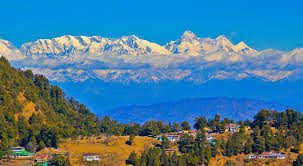
May: Best for travellers who want to experience the opening-season atmosphere and see snow-covered Himalayan peaks.
June: Suitable for families and first-time pilgrims looking for comparatively comfortable weather, although this is usually a busy pilgrimage period.
July–August: Monsoon months require greater flexibility because heavy rainfall can affect road conditions and travel schedules in Uttarakhand.
September: One of the preferred post-monsoon periods for clearer Himalayan views, pleasant daytime conditions and comparatively comfortable travel.
October: Good for pilgrims looking for a quieter spiritual experience, but mornings and evenings can become considerably colder.
Our practical choice: For many travellers, June and September offer a good balance of weather and travel comfort. However, Himalayan weather and road conditions can change quickly, so travellers should check current official updates before departure.
Choosing the right month depends on your travel style, comfort level, and expectations.
This guide is based not only on seasonal weather patterns but also on years of practical experience helping thousands of travellers plan successful Badrinath journeys.
Badrinath Temple Opening & Closing Dates 2027
The official opening and closing dates of Badrinath Temple for 2027 should be confirmed from the competent temple authorities once formally announced.
Travellers should avoid planning their journey solely on the basis of unofficial or tentative dates published online.
2027 Opening Date: Official confirmation awaited
2027 Closing Date: Official confirmation awaited
ABD Holidays recommends checking the latest official temple, weather and road information before finalising your Badrinath Yatra dates.
Badrinath Month-wise Travel Guide 2027
| Month |
General Conditions |
Crowd Level |
Recommended For |
| May |
Cold to pleasant |
High |
Opening-season experience |
| June |
Pleasant days, cool evenings |
High |
Families & first-time pilgrims |
| July |
Monsoon conditions |
Moderate |
Flexible travellers |
| August |
Monsoon conditions |
Moderate |
Travellers comfortable with weather uncertainty |
| September |
Post-monsoon, generally clearer |
Moderate |
Families, photography & comfortable travel |
| October |
Cold, especially mornings/evenings |
Lower |
Peaceful darshan & quieter travel |
Weather in the Himalayas can change quickly. The information above is for general trip planning and should not replace current weather, road or official travel advisories.
Why Timing Matters More Than You Think
Unlike many famous temples across India, Badrinath Temple does not remain open throughout the year.
Because it is located at an altitude of approximately 3,133 metres (10,279 feet) in the Garhwal Himalayas, heavy snowfall during winter makes the area inaccessible for several months.
This means every pilgrim has only a limited window each year to visit Badrinath.
But timing affects much more than temple access.
It also influences:
- Road conditions
- Hotel availability
- Crowd levels
- Travel comfort
- Mountain weather
- Photography opportunities
- Overall pilgrimage experience
We've often seen travellers book their trip simply based on available leave from work, only to realise later that weather or heavy crowds changed the experience they were hoping for.
A little planning can make a big difference.
There Is No "Perfect" Month for Everyone
One of the biggest misconceptions is that there's one ideal month for every traveller.
In reality, each season offers something unique.
For example:
- If you've always dreamed of witnessing the opening of Badrinath Temple, May is the perfect choice.
- If you're travelling with elderly parents, June usually offers comfortable road conditions and pleasant weather.
- If you're someone who enjoys peaceful surroundings and stunning Himalayan photography, September is often hard to beat.
- If you prefer a quieter spiritual atmosphere before winter arrives, October may be your favourite month.
The "best" time isn't simply about the weather—it's about matching the season with your travel goals.
A Conversation We Often Have with Travellers
A few months before every Char Dham season, our office starts receiving similar phone calls.
One traveller asks,
"We're planning to bring our parents. Which month would be easiest for them?"
Another says,
"We don't mind the cold. We just want peaceful darshan without huge crowds."
Someone else asks,
"We're photographers. Which month gives the clearest mountain views?"
Each question has a different answer.
That's why we never recommend the same travel dates to every traveller.
Instead, we first understand:
- Who is travelling?
- How many days are available?
- Are there senior citizens in the group?
- Are children travelling?
- Is photography important?
- Would you prefer fewer crowds?
- Are you planning only Badrinath or the complete Char Dham Yatra?
Once we know these details, choosing the right month becomes much easier.
Quick Answer – Best Time to Visit Badrinath
If you're looking for the short answer, here it is.
The best months to visit Badrinath are:
May – Temple opening, festive atmosphere, fresh Himalayan scenery.
June – Pleasant weather and ideal road conditions.
September – Clear skies, beautiful mountain views, and comparatively fewer crowds.
October – Peaceful darshan before the temple closes for winter.
Each of these months offers a different experience, and we'll explore them in detail throughout this guide.
Why Thousands of Pilgrims Visit Every Year
For many devotees, visiting Badrinath is not simply another holiday.
It is a journey of faith.
People travel from every corner of India—and from many countries around the world—to seek the blessings of Lord Badri Vishal.
Some have been planning the pilgrimage for years.
Others return every few seasons because they feel a deep spiritual connection with the temple.
We've even met families where three generations travel together, making the Badrinath Yatra a cherished family tradition.
That is why planning the journey carefully matters so much.
What You'll Learn in This Guide
This isn't just another weather article.
We'll help you understand:
- Which month is best for your travel style
- Month-wise weather conditions
- Crowd levels throughout the season
- What clothes to pack
- Road conditions
- Travel tips from local experts
- Nearby attractions worth visiting
- Advice for senior citizens and families
- Common mistakes first-time travellers make
- Frequently Asked Questions
Whether you're visiting Badrinath for the first time or returning after many years, our goal is to help you plan a smoother, safer, and more enjoyable pilgrimage.
Before You Finalise Your Travel Dates…
One final suggestion from our team.
Don't choose your travel month based only on someone else's recommendation.
Instead, think about what kind of journey you want.
Do you want the energy and excitement of the opening season?
Or would you rather enjoy peaceful temple surroundings after the crowds have reduced?
Neither choice is wrong.
The best time to visit Badrinath is simply the time that matches your comfort, your schedule, and your purpose of travel.
And once you've chosen the right season, the journey becomes even more rewarding.
Month-wise Weather Guide, Temple Opening Season & How to Choose the Right Time
If you've never travelled to the Himalayas before, one thing may surprise you—the weather can change much faster than you expect.
A bright sunny morning can suddenly turn cloudy by afternoon, and temperatures may drop sharply after sunset. That's why planning your Badrinath trip isn't only about checking a calendar. It's about understanding how each month feels and deciding which season matches your travel expectations.
At ABD Holidays, we've been assisting pilgrims across Uttarakhand since 2013, and one thing we've consistently noticed is that travellers who choose the right season usually enjoy a much smoother and more comfortable journey.
Let's look at what each month offers.
Badrinath Temple Opening Season
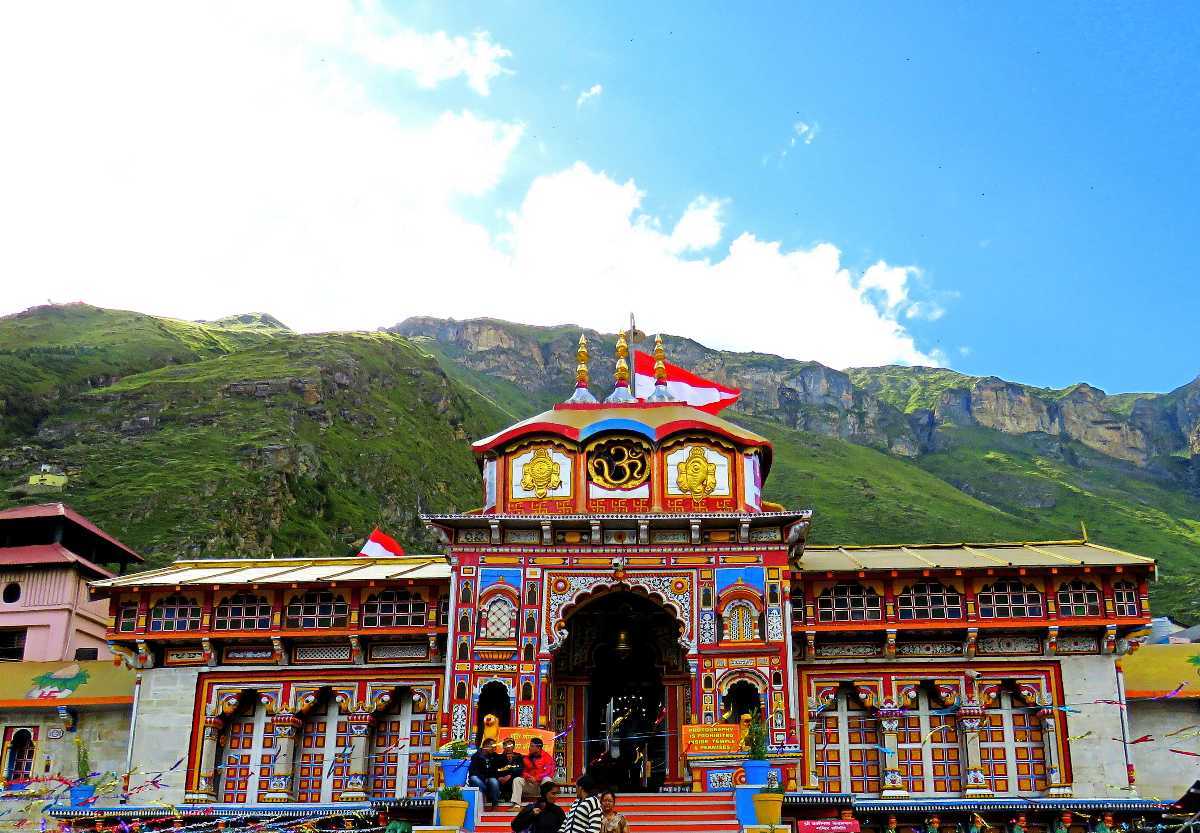
Unlike many temples across India, Badrinath Temple remains open for only around six months every year.
After winter, when the snow begins to melt and the roads reopen, thousands of devotees gather to witness the reopening of the temple. The exact opening and closing dates are announced every year by the Shri Badrinath-Kedarnath Temple Committee, following traditional religious ceremonies.
Travel Tip: If you plan to visit during the opening week, book your hotel and transport well in advance. This period attracts thousands of pilgrims from across India.
Badrinath Weather at a Glance
Because Badrinath sits at an altitude of 3,133 metres, temperatures remain cool even in summer.
Many first-time travellers assume that May and June will be warm because they're summer months. In reality, mornings and evenings can still feel quite chilly.
A light jacket may be enough during the afternoon, but after sunset you'll be glad you packed a warmer layer.
May – Witness the Beginning of the Pilgrimage
For many devotees, May is the most emotional month to visit Badrinath.
The temple reopens after months of winter closure, and the entire town comes alive with devotion. Priests, pilgrims, and local residents all share in the excitement of welcoming Lord Badri Vishal back for another pilgrimage season.
If you've always wanted to experience the temple opening, this is the perfect time.
Why Travellers Choose May
- Temple opening ceremony
- Fresh mountain scenery
- Snow visible on nearby peaks
- Spiritual atmosphere
- Pleasant daytime weather
Things to Keep in Mind
Since it's the beginning of the yatra, hotels fill up quickly and popular travel dates sell out early.
Temperature: 5°C to 16°C
June – Comfortable Weather for Most Travellers
If someone from our team had to recommend one month for first-time visitors, June would often be high on the list.
The weather is generally pleasant, roads are usually in good condition, and most tourist facilities operate smoothly.
Families travelling with children and senior citizens often find June to be one of the most comfortable months.
June Is Ideal For
- Families
- Senior citizens
- Char Dham pilgrims
- First-time visitors
- Private group tours
The only thing to remember is that June is also one of the busiest months, so advance booking is recommended.
Temperature: 8°C to 18°C
July – Nature Looks Beautiful, But Flexibility Is Important
By July, the Himalayan landscape changes completely.
The valleys become lush green, waterfalls appear along the roads, and the mountains look incredibly fresh.
Many photographers love this season.
However, mountain travel during the monsoon requires patience.
Rainfall may occasionally lead to slower traffic or temporary road disruptions.
If you're travelling in July, keep an extra day in your itinerary instead of planning a tight schedule.
July Is Suitable For
- Nature lovers
- Flexible travellers
- Photography enthusiasts
Temperature: 9°C to 17°C
August – A Peaceful Himalayan Experience
August continues the monsoon season, but it also offers a quieter atmosphere compared to the busy summer months.
If you don't mind occasional rain and enjoy peaceful surroundings, August can be rewarding.
The mountains appear greener than at any other time of the year.
Before Travelling in August
- Check weather updates regularly.
- Keep rain protection handy.
- Allow extra travel time.
Temperature: 8°C to 16°C
September – The Favourite Month of Many Experienced Travellers
Ask local drivers, hotel owners, or photographers which month they prefer, and many will mention September.
By this time, the monsoon usually begins to withdraw.
The mountains look freshly washed, the air feels cleaner, and distant Himalayan peaks become much more visible.
The crowds are also smaller than in May and June, making darshan more relaxed.
If your schedule allows, September is one of the finest months to experience Badrinath.
Temperature: 6°C to 15°C
October – A Peaceful End to the Pilgrimage Season
October has a different charm altogether.
As winter slowly approaches, the atmosphere around Badrinath becomes quieter.
The mornings are crisp, the evenings are cold, and the number of pilgrims gradually decreases.
Many visitors choose October because they want to spend more time inside the temple without the heavy crowds seen earlier in the season.
Just remember to pack warm clothing, especially if you're travelling towards the end of October.
Temperature: 2°C to 12°C
Month-wise Comparison
| Month |
Weather |
Crowd |
Best For |
| May |
Pleasant & Cool |
Very High |
Temple Opening, Devotees |
| June |
Comfortable |
High |
Families & First-Time Visitors |
| July |
Rainy |
Medium |
Nature Lovers |
| August |
Rainy & Green |
Medium |
Peaceful Travel |
| September |
Clear & Pleasant |
Moderate |
Photography & Comfortable Darshan |
| October |
Cool & Peaceful |
Low |
Quiet Spiritual Experience |
Which Month Should You Choose?
Instead of asking "Which month is the best?", ask yourself:
- Do I want to witness the temple opening?
- Am I travelling with elderly parents?
- Do I prefer fewer crowds?
- Is photography important to me?
- Can I travel during the monsoon?
- Do I enjoy cool mountain weather?
The answers to these questions will help you choose the right month far better than simply following someone else's recommendation.
A Small Suggestion from Our Experience
Over the years, we've noticed that travellers who leave a little flexibility in their schedule usually enjoy the Himalayas more.
Mountain weather doesn't always follow a timetable.
Sometimes a short delay because of rain or traffic leads to an unforgettable sunrise the next morning.
Instead of rushing, give yourself time to experience the journey.
After all, Badrinath is not only about reaching the temple—it's about enjoying every moment along the way.
How to Reach Badrinath: Routes, Distance, Travel Tips & Local Advice
For many pilgrims, the journey to Badrinath Dham becomes just as memorable as the darshan itself.
The road winds through deep valleys, ancient temples, roaring rivers, and five sacred river confluences known as the Panch Prayag. Every few kilometres, the scenery changes, making the drive feel like a spiritual journey rather than simply travelling from one place to another.
At ABD Holidays Pvt. Ltd., we've been organising Badrinath tours since 2013, and one piece of advice we always give first-time visitors is simple:
Don't treat the drive as a race.
The route to Badrinath is one of the most beautiful mountain journeys in India. If you keep looking only at your arrival time, you'll miss half the experience.
Whether you're travelling by private taxi, Tempo Traveller, or as part of a Char Dham package, understanding the route beforehand makes your journey much more comfortable.
Where is Badrinath Located?
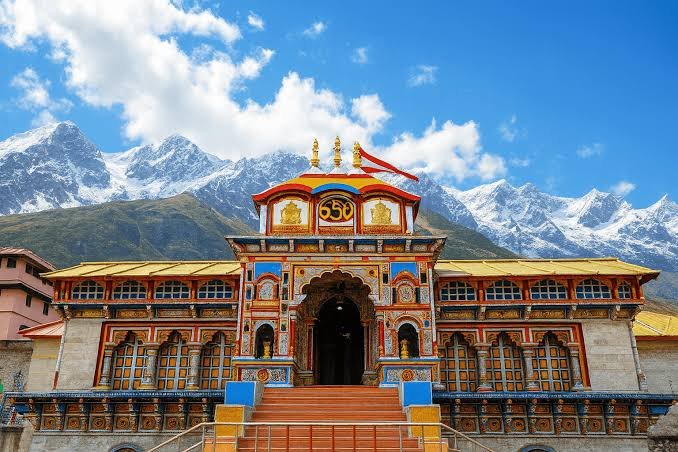
Badrinath Temple is located in Chamoli district of Uttarakhand, on the banks of the holy Alaknanda River, at an altitude of approximately 3,133 metres (10,279 feet) above sea level.
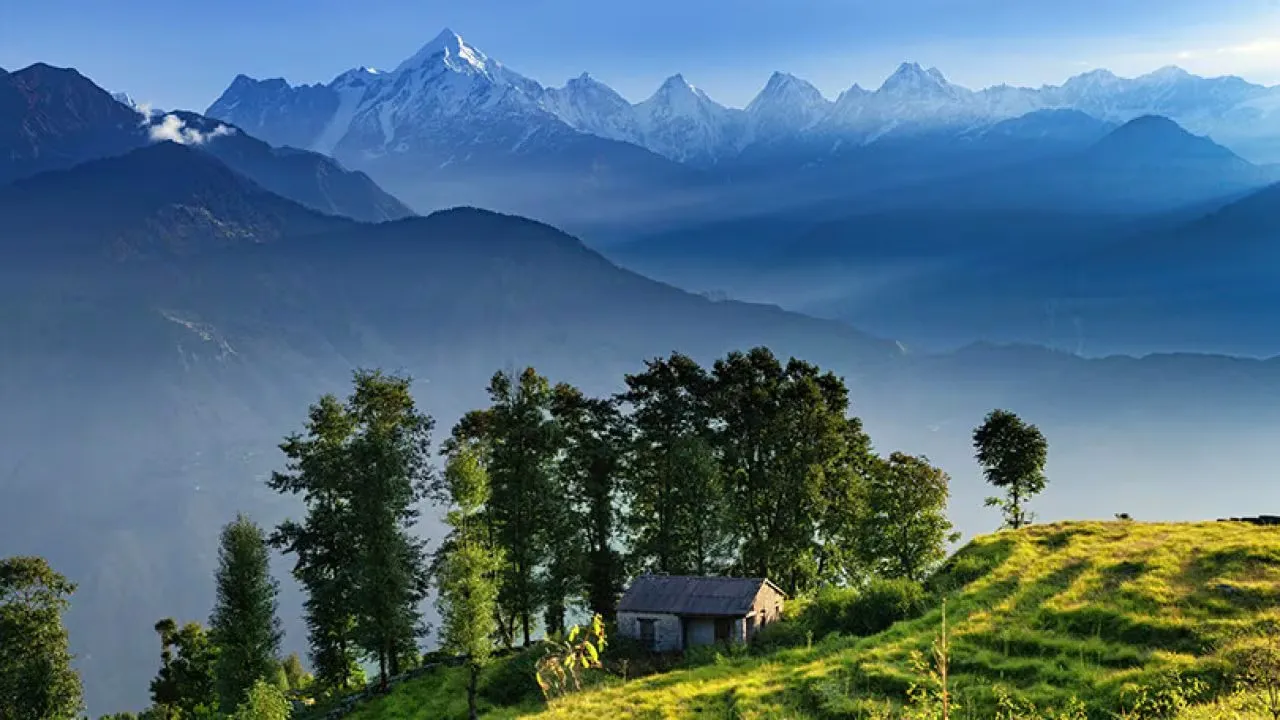
The temple is surrounded by the majestic Nar and Narayan mountain ranges, creating one of the most spectacular spiritual settings in the Himalayas.
It is also one of the four sacred shrines of the Char Dham Yatra and one of the most important pilgrimage sites dedicated to Lord Vishnu.
Distance from Major Cities
| Starting Point |
Distance |
Approx. Travel Time |
| Haridwar |
320 km |
10–11 Hours |
| Rishikesh |
295 km |
9–10 Hours |
| Dehradun |
335 km |
10–11 Hours |
| Jolly Grant Airport |
325 km |
10–11 Hours |
| Joshimath |
45 km |
1.5–2 Hours |
Local Tip: Travel time in the mountains depends more on road conditions and weather than on distance. During the Char Dham season, always keep an extra hour or two in your schedule.
Haridwar to Badrinath Route
Haridwar is the most popular starting point for the Badrinath Yatra.
The route passes through several sacred towns and offers beautiful Himalayan scenery.
Route
Haridwar → Rishikesh → Devprayag → Srinagar → Rudraprayag → Karnaprayag → Nandprayag → Chamoli → Pipalkoti → Joshimath → Badrinath
Every stop on this route has religious and historical importance.
Many travellers choose to stop briefly at the river confluences to take photographs or simply enjoy the peaceful surroundings.
Rishikesh to Badrinath
If you're already staying in Rishikesh, your journey begins directly from the foothills of the Himalayas.
The drive gradually climbs higher, with every hour bringing cooler weather and more dramatic mountain views.
Many travellers tell us this part of the journey becomes one of their favourite memories.
Travelling from Dehradun
Visitors arriving by flight usually begin from Jolly Grant Airport, Dehradun.
Private taxis are the most comfortable option because they allow flexible stops along the way.
The route follows:
Dehradun → Rishikesh → Devprayag → Srinagar → Rudraprayag → Karnaprayag → Chamoli → Joshimath → Badrinath
The Journey Through Panch Prayag
One of the most beautiful parts of travelling to Badrinath is witnessing the Panch Prayag, the five sacred confluences where Himalayan rivers meet.
Many first-time visitors don't realise that these stops are destinations in themselves.
Devprayag
This is where the Bhagirathi and Alaknanda rivers merge to form the holy River Ganga.
Standing above the confluence, you'll notice two distinctly coloured rivers meeting before flowing together.
Many pilgrims spend quiet moments here before continuing towards Badrinath.
Rudraprayag
Here, the Mandakini River meets the Alaknanda.
The town is associated with Lord Shiva and is an important halt during both the Kedarnath and Badrinath pilgrimages.
Karnaprayag
According to local tradition, this sacred town is associated with Karna from the Mahabharata.
It is also where the Pindar River joins the Alaknanda.
Nandaprayag
A peaceful confluence where the Nandakini River merges with the Alaknanda.
Many travellers simply stop here for a few minutes to enjoy the quiet mountain atmosphere.
Vishnuprayag
Located near Joshimath, Vishnuprayag marks the meeting of the Dhauliganga and Alaknanda rivers.
It is usually the final Prayag pilgrims encounter before reaching Badrinath.
Should You Travel in One Day?
Technically, yes.
Comfortably?
Not always.
One of the most common mistakes we see is travellers trying to reach Badrinath in a single long drive without adequate rest.
After 9–11 hours on mountain roads, fatigue becomes a real concern.
Whenever possible, we recommend breaking the journey.
Best Overnight Stops
If you prefer a relaxed journey, consider staying overnight at:
Srinagar
Suitable for travellers leaving Haridwar late.
Rudraprayag
A popular halt for Char Dham pilgrims.
Pipalkoti
Ideal for those wanting a shorter drive on the second day.
Joshimath
One of the best overnight stops before Badrinath.
It allows you to reach the temple early the next morning without rushing.
Choosing the Right Vehicle
Different groups require different vehicles.
Choosing the right one makes a noticeable difference on mountain roads.
Sedan
Suitable for:
- Couples
- Two to four travellers
Examples:
SUV
Recommended for:
- Families
- Senior citizens
- Four to six travellers
Popular options include:
- Ertiga
- Innova
- Innova Crysta
Tempo Traveller
Ideal for:
- Religious groups
- Large families
- Friends travelling together
Offers:
- Comfortable seating
- Larger luggage space
- Better group experience
Force Urbania
A favourite choice among travellers looking for extra comfort.
It offers:
- Spacious seating
- Better suspension
- More legroom
- Comfortable long-distance travel
Taxi or Self-Drive?
Many people ask us whether they should drive their own car.
If you're unfamiliar with Himalayan roads, hiring a local driver is usually the more comfortable option.
Our experienced drivers know:
- Sharp mountain bends
- Narrow road sections
- Seasonal road conditions
- Safe stopping points
- Local traffic patterns
This allows you to relax and enjoy the scenery instead of concentrating on difficult mountain driving.
Road Travel Tips from Our Experience
After organising Uttarakhand tours for over a decade, we've learned that small decisions often make a big difference.
Here are a few practical suggestions we regularly share with travellers:
- Start your journey early in the morning.
- Avoid unnecessary night driving in the hills.
- Keep drinking water and light snacks with you.
- Carry warm clothing within easy reach.
- Follow local traffic updates during the monsoon.
- Don't rush through the journey just to save an hour.
The Himalayas reward those who travel patiently.
The Journey Is Part of the Pilgrimage
Many pilgrims remember the temple.
But just as many remember the drive.
Watching the Alaknanda River flow beside the road, stopping at Devprayag for tea, seeing clouds drift across the mountains near Joshimath, or sharing stories with family during the journey often become the moments people cherish long after they return home.
Sometimes, the road to Badrinath teaches us to slow down—and that's part of the spiritual experience too.
Places to Visit Near Badrinath: Hidden Gems, Local Experiences & Sacred Attractions
Most pilgrims come to Badrinath with one purpose—to seek the blessings of Lord Badri Vishal.
After the darshan, many begin their return journey immediately.
But if you ask local residents, hotel owners, or experienced travellers, they'll often tell you the same thing:
"Don't leave Badrinath too quickly."
The temple is undoubtedly the heart of the pilgrimage, but the surrounding area is equally fascinating. Ancient caves, sacred rivers, natural hot springs, and Himalayan landscapes make Badrinath much more than a single temple visit.
At ABD Holidays, we've often seen travellers regret not spending a few extra hours exploring these nearby places. Those who do usually return with richer memories and a deeper connection to this sacred region.
1. Mana Village – The Last Village of India
Distance from Badrinath Temple: Approximately 4 km
No visit to Badrinath feels complete without exploring Mana Village.
Situated close to the Indo-Tibetan border, Mana is widely known as India's Last Village. As you walk through its narrow stone lanes, you'll notice traditional Himalayan houses, local women weaving woollen products, and small tea stalls serving hot chai against a backdrop of towering mountains.
Unlike crowded tourist destinations, Mana still retains the charm of a mountain village where life moves at its own pace.
One of our guests once said,
"The temple gave me peace, but Mana Village gave me memories."
That perfectly describes the experience.
Why You Should Visit
- Experience traditional Himalayan culture.
- Shop for handmade woollen products.
- Enjoy breathtaking mountain views.
- Visit several sacred sites within walking distance.
2. Vyas Gufa – Where History Meets Faith
Just a short walk from Mana Village lies Vyas Gufa, one of the most revered caves in the region.
According to Hindu tradition, Maharishi Ved Vyasa composed the Mahabharata here, while Lord Ganesha wrote it down.
Whether you believe the legend or simply appreciate India's rich heritage, the cave has an atmosphere that encourages silence and reflection.
Inside, many visitors choose to sit quietly for a few minutes rather than rushing through.
Sometimes the silence itself becomes part of the pilgrimage.
3. Ganesh Gufa
Located close to Vyas Gufa is Ganesh Gufa.
Legend says Lord Ganesha stayed here while writing the Mahabharata as dictated by Ved Vyasa.
Although the cave is small, it attracts pilgrims from across the country who come to pay their respects.
Its peaceful surroundings make it a wonderful place to pause before continuing your journey.
4. Bhim Pul – A Story That Every Guide Loves to Tell
Perhaps the most famous attraction near Mana Village is Bhim Pul.
At first glance, it looks like a giant rock naturally placed across the roaring Saraswati River.
According to the Mahabharata, Bhima placed this massive stone bridge so that Draupadi could cross the river during the Pandavas' final journey towards heaven.
Whether viewed as mythology or history, standing on Bhim Pul while hearing the powerful sound of the Saraswati River below is an unforgettable experience.
Many visitors say this becomes one of the highlights of their Badrinath trip.
5. Saraswati River
The Saraswati River flows with remarkable force near Bhim Pul before disappearing underground.
Unlike many calm Himalayan rivers, Saraswati appears energetic and powerful despite its relatively short visible stretch.
You'll often see visitors simply standing quietly beside the river, listening to the sound of the rushing water.
Sometimes, nature speaks more powerfully than words.
6. Tapt Kund – A Sacred Tradition
Before entering the Badrinath Temple, many pilgrims visit Tapt Kund, a natural hot-water spring located just below the temple.
What surprises most first-time visitors is how warm the water feels despite the cool mountain climate.
For centuries, devotees have believed that taking a holy dip here symbolises purification before offering prayers to Lord Vishnu.
Even if you choose not to bathe, watching steam rise from the spring while snow-covered peaks surround the temple creates a remarkable contrast.
7. Narad Kund
Close to Tapt Kund is Narad Kund, another sacred water body associated with Badrinath.
According to local belief, Adi Shankaracharya recovered the idol of Lord Badrinarayan from this kund before establishing it in the present temple.
Pilgrims often visit Narad Kund after their temple darshan.
8. Charan Paduka – A Short Trek Worth Taking
If your health permits and you enjoy walking, consider visiting Charan Paduka.
The trek is relatively short but slightly steep.
According to tradition, the rock here bears the footprints of Lord Vishnu.
More than the destination itself, it's the journey that makes the experience rewarding.
As you climb, the panoramic views of Badrinath town and the surrounding Himalayan peaks become increasingly spectacular.
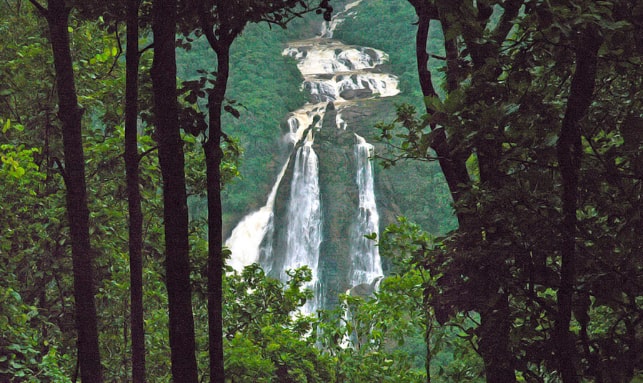
9. Vasudhara Falls – A Hidden Himalayan Treasure
For travellers who enjoy nature and trekking, Vasudhara Falls is highly recommended.
Located beyond Mana Village, this beautiful waterfall cascades from a great height against a dramatic mountain backdrop.
Local belief says that the water touches only those with a pure heart.
Whether or not you believe the legend, the peaceful walk towards the falls is an experience in itself.
Things to Do in Badrinath
A Badrinath trip isn't only about visiting one temple.
Here are a few experiences that many travellers remember long after returning home.
Attend the Morning Darshan
The atmosphere is calm, fresh, and deeply spiritual.
Many regular visitors believe early morning offers the most peaceful temple experience.
Experience the Evening Aarti
As the sound of bells fills the valley and devotional hymns echo through the mountains, the evening aarti creates a truly unforgettable atmosphere.
If your schedule allows, don't miss it.
Spend Time Without Looking at Your Phone
This may sound unusual.
But one suggestion we often give travellers is simple:
Keep your phone away for at least fifteen minutes.
Sit quietly near the temple or along the Alaknanda River.
Watch the mountains.
Listen to the river.
Sometimes the most meaningful memories are the ones we never photograph.
Local Food You Should Try
Badrinath is primarily a pilgrimage town, so most restaurants serve simple vegetarian meals.
Popular choices include:
- Aloo Paratha
- Rajma Chawal
- Dal Rice
- Puri Sabzi
- Khichdi
- Garma-garam Tea
The food is simple, fresh, and ideal after a long mountain journey.
Shopping in Badrinath
If you'd like to take home a souvenir, you'll find several small shops selling:
- Rudraksha malas
- Tulsi malas
- Woollen shawls
- Prayer items
- Local handicrafts
- Religious books
- Handmade woollen caps
Mana Village is particularly known for traditional woollen products woven by local families.
A Small Suggestion Before You Leave
Many travellers finish their darshan and immediately begin the long drive back.
If possible, don't hurry.
Spend an extra hour walking through the market.
Enjoy a cup of tea while looking at the mountains.
Visit Mana Village.
Watch the Alaknanda River flowing beside the temple.
Years later, you may not remember exactly what time you reached Badrinath—but you'll certainly remember how peaceful it felt.
That is the true beauty of this pilgrimage.
⭐⭐⭐⭐⭐ Comfortable Journey for Senior Citizens
"We travelled with elderly parents, so comfort was our biggest concern. The driver was patient, the hotels were clean, and the travel schedule was well planned. We never felt hurried, and the entire journey was smooth."
— Pampa Chakraborty
⭐⭐⭐⭐⭐ Reliable Local Travel Partner
"From the first phone call until the end of the tour, the team stayed in touch and helped us whenever we had questions. Their local knowledge made the trip much easier, especially during the mountain journey."
— Suchindra Patil
⭐⭐⭐⭐⭐ Highly Recommended
"Our Badrinath Yatra was comfortable, well managed, and stress-free. The vehicle was clean, the accommodation was good, and we appreciated the honest advice while planning our itinerary. We highly recommend ABD Holidays to anyone visiting Uttarakhand."
— Dr. Debarati Bhar
Frequently Asked Questions, Local Travel Advice & Why Choose ABD Holidays
By now, you probably have a good understanding of when to visit Badrinath, what the weather is like in different months, how to reach the temple, and which nearby places are worth exploring.
Before you finalise your journey, here are answers to the questions that our team is asked most often by travellers planning a Badrinath Yatra.
Many of these questions come from first-time visitors, families travelling with children, and senior citizens who want to make their pilgrimage comfortable and well organised.
A Few Words from Our Team
Over the last 13+ years, we've had the privilege of helping thousands of travellers explore Uttarakhand.
One thing we've learned is that every Badrinath journey is unique.
Some visitors arrive with lifelong wishes.
Some come to fulfil a family tradition.
Others simply want a few peaceful days away from busy city life.
Whatever your reason may be, our advice is always the same:
Travel slowly.
Pause at the river confluences.
Spend time in Mana Village.
Attend the evening aarti.
Talk to local people.
Enjoy the mountain air.
The temple will certainly stay in your memory—but often it's the quiet moments between destinations that remain with you forever.
Why Choose ABD Holidays Pvt. Ltd.?
Choosing the right travel partner makes a significant difference, especially when travelling in the Himalayas.
Why Thousands of Travellers Trust Us
- Serving Uttarakhand travellers since 2013
- Local travel experts based in Haridwar
- Professionally planned Badrinath & Char Dham tours
- Experienced hill drivers
- Comfortable hotel options
- Private taxis, SUVs, Tempo Travellers & Urbania
- Family-friendly and senior citizen-friendly travel
- Transparent pricing with personalised assistance
- Support before and during your journey
Start Planning Your Badrinath Yatra
The best time to visit Badrinath isn't just about choosing the right month—it's about choosing the right pace, the right itinerary, and the right travel partner.
Whether you dream of witnessing the temple opening, exploring Mana Village, or enjoying a peaceful darshan surrounded by the Himalayas, thoughtful planning will make your pilgrimage more comfortable and meaningful.
At ABD Holidays Pvt. Ltd., we're here to help you plan a journey that matches your schedule, budget, and travel style.
We look forward to welcoming you to the sacred land of Lord Badri Vishal.