Nanda Devi Raj Jat Yatra 2027 – Dates, Route, History & Latest Update
High in the Garhwal Himalayas, faith takes the form of a journey.
The Nanda Devi Raj Jat Yatra is not simply a Himalayan trek or religious procession. It is one of Uttarakhand's most deeply rooted cultural and spiritual traditions, associated with Maa Nanda Devi and the emotional belief of a daughter leaving her maternal home for her husband's home.
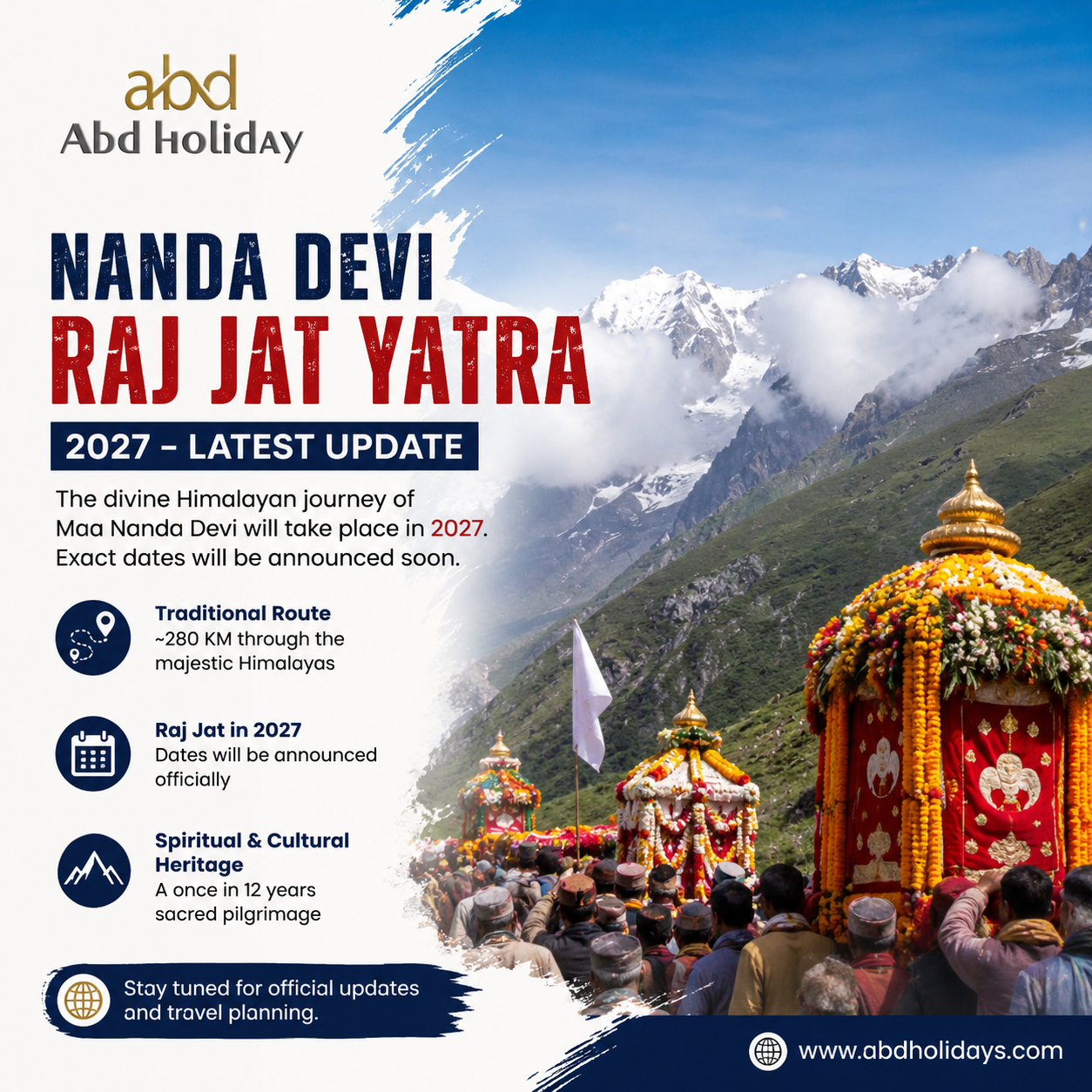
Often described as the Himalayan Mahakumbh, the traditional Raj Jat is associated with a long and demanding journey through villages, forests, alpine meadows and high-altitude Himalayan terrain.
For travellers planning around the next major pilgrimage, there is an important update to understand.
Nanda Devi Raj Jat Yatra 2027 – Latest Update
The major Nanda Devi Raj Jat associated with the traditional Nauti route, which had been proposed for 2026, has been postponed to 2027.
The exact day-wise dates for the 2027 Raj Jat should not yet be treated as confirmed.
Travellers should wait for the final programme from the concerned Raj Jat authorities and administration before booking a journey specifically around the 2027 Raj Jat dates.
Current status:
Nanda Devi Raj Jat: Planned for 2027
Expected period: To be officially confirmed
Final dates: Awaited
Traditional region: Chamoli, Uttarakhand
Traditional starting association: Nauti/Kansuwa region
High-altitude destination: Homkund
We will update this guide once the official 2027 programme is announced.
Important: Raj Jat 2027 and Badi Jat 2026 Are Not the Same Update
There has been considerable confusion online because different Nanda Devi traditions and committees have announced different programmes.
The Nanda Devi Raj Jat associated with Nauti has been deferred to 2027.
Separately, the Nanda Devi Badi Jat associated with Siddhpeeth Kurud has a 2026 programme beginning in September.
Travellers should therefore check which pilgrimage they intend to join before making hotel, vehicle or trekking arrangements.
This distinction is especially important when searching online for “Nanda Raj Jat 2026” or “Nanda Devi Yatra 2026”.
What Is Nanda Devi Raj Jat Yatra?
Nanda Devi is revered across large parts of Uttarakhand.
In local tradition, Maa Nanda is remembered not only as a goddess but also with the affection given to a daughter of the mountains.
The Raj Jat symbolically represents her journey from her maternal home towards Kailash.
This emotional connection explains why villages along the route welcome the procession with extraordinary devotion.
Sacred dolis, chhantolis, traditional music, local deities and generations-old customs become part of the pilgrimage.
For visitors from outside Uttarakhand, this is one of the most powerful ways to experience the relationship between Himalayan geography, faith and local culture.
Why Is Nanda Devi Raj Jat Called the Himalayan Mahakumbh?
The pilgrimage is renowned for its scale, difficult Himalayan route and cultural importance.
The complete traditional journey is often described as covering approximately 280 km and lasting around three weeks, although the final 2027 schedule must be confirmed once officially announced.
Unlike a normal road pilgrimage, large sections involve walking through remote Himalayan terrain.
As the journey progresses, villages, dolis, chhantolis and devotees from different regions join the procession.
Eventually, the pilgrimage moves beyond permanently inhabited villages towards high-altitude areas.
Traditional Nanda Devi Raj Jat Route
The exact official 2027 day-wise itinerary is still awaited, but the traditional Raj Jat is associated with important places including:
Nauti/Kansuwa → Koti → Bhagoti → Kulsari → Nandkesari → Faldiya → Mundoli → Wan → high-altitude meadows → Roopkund region → Shila Samudra → Homkund
The return journey traditionally follows a different Himalayan route.
Travellers should not use this simplified route as a final 2027 trekking schedule. Once the official programme is announced, each day's halt, walking distance and arrangements should be checked separately.
Nauti – The Cultural Heart of the Raj Jat
Nauti in Chamoli district holds a central place in the traditional Raj Jat.
The journey is closely associated with the royal and religious traditions of the region and the ceremonial departure of Maa Nanda.
For anyone wanting to understand the Raj Jat beyond photographs and trekking, understanding Nauti and the surrounding villages is essential.
Wan – The Last Major Village Before the Higher Himalayas
Wan is one of the most important locations on the traditional route.
Beyond this area, the nature of the pilgrimage changes significantly as the procession moves towards more remote, high-altitude terrain.
The ancient Latu Devta tradition at Wan also has deep cultural significance in the Nanda Devi pilgrimage.
Bedni Bugyal and the High Himalayan Landscape
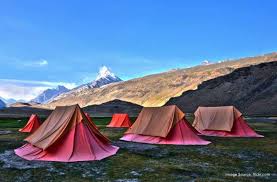
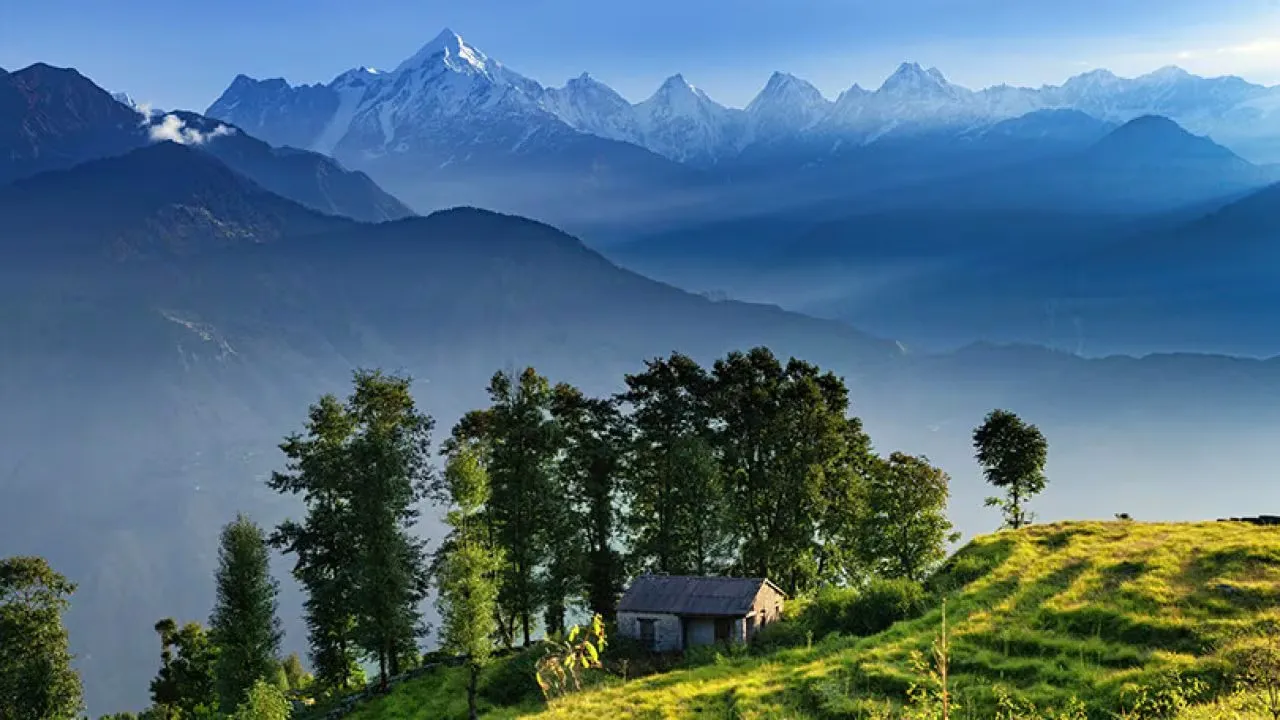
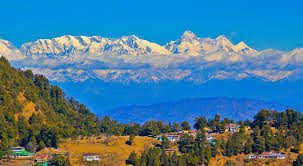
The higher sections of the Nanda Devi pilgrimage pass through spectacular alpine terrain.
Beautiful as these landscapes are, they should never be treated as an ordinary sightseeing destination during a major religious procession.
Weather can change quickly, nights can become cold, walking conditions can be demanding and facilities become increasingly limited as the route gains altitude.
Roopkund Region
The high-altitude route is associated with the famous Roopkund region.
Travellers should remember that access, permitted routes and local regulations can change.
Always follow the route and instructions prescribed by the authorities and pilgrimage organisers rather than attempting independent diversions.
Shila Samudra and Homkund
Homkund represents one of the most spiritually significant points of the journey.
It is here that the symbolic farewell of Maa Nanda towards Kailash reaches its emotional culmination.
For local communities, this is not merely the end of a trek—it represents the farewell of a daughter.
That emotion is at the heart of the Raj Jat tradition.
The Chausingya Khadu Tradition
One of the most distinctive traditions associated with the Nanda Devi pilgrimage is the Chausingya Khadu, a four-horned ram.
The animal holds deep ritual significance and is traditionally associated with leading Maa Nanda's sacred journey towards the high Himalayas.
Visitors should treat these traditions with sensitivity rather than viewing them simply as tourist attractions.
How Difficult Is Nanda Devi Raj Jat?
This is a demanding Himalayan pilgrimage.
Participants may have to deal with:
-
Long walking days
-
Steep ascents and descents
-
High altitude
-
Cold temperatures
-
Rain or changing mountain weather
-
Basic facilities at remote locations
-
Large numbers of pilgrims
-
Limited connectivity
-
Physically demanding terrain
People should assess their physical fitness realistically before attempting the complete high-altitude pilgrimage.
Senior citizens and travellers with medical concerns should obtain appropriate medical advice before participating.
Best Time and Weather
The final 2027 dates will determine the exact expected weather conditions.
Historically, the pilgrimage is associated with the monsoon/post-monsoon Himalayan period.
Conditions can include sunshine, rain, cold nights and sudden weather changes at higher elevations.
A forecast checked weeks in advance is not enough.
Travellers should monitor conditions immediately before and during the pilgrimage.
What Should You Carry?
For the higher sections of the pilgrimage, consider appropriate trekking preparation.
Essential items may include:
Avoid carrying unnecessary weight.
Final packing should follow the official 2027 instructions once issued.
How to Reach the Nanda Devi Raj Jat Region
By Air
For travellers arriving by air, Jolly Grant Airport, Dehradun is the main airport for onward road travel into Garhwal.
By Train
Haridwar and Rishikesh are important railway/transport gateways for travellers continuing towards Chamoli.
By Road
Depending on the final starting arrangements, travellers can plan road transportation from:
Haridwar → Rishikesh → Devprayag → Srinagar → Rudraprayag → Karnaprayag → Chamoli region
The exact drop point and road plan should be selected according to the official 2027 programme.
Nanda Devi Raj Jat 2027 Travel Planning
Travelling for Raj Jat is different from booking a normal Uttarakhand holiday.
Accommodation and transport should be planned around the official pilgrimage schedule.
A sensible plan may include:
Arrival: Haridwar/Rishikesh/Dehradun
Road transfer: Towards Karnaprayag/Chamoli region
Pre-Yatra stay: Near the appropriate joining point
Pilgrimage: According to official Raj Jat programme
Return: Road transfer to Haridwar/Rishikesh/Dehradun
Do not book a non-refundable itinerary until the final 2027 schedule is officially announced.
Responsible Travel During Nanda Devi Raj Jat
The high Himalayas are environmentally sensitive.
Every pilgrim should help protect the route.
Avoid single-use plastic wherever possible, carry waste back from remote areas, respect local water sources and follow instructions regarding camping and sanitation.
Most importantly, remember that the Raj Jat is first a living religious and cultural tradition and only then a travel experience.
Respect local customs, sacred processions and village traditions.
Frequently Asked Questions
When will Nanda Devi Raj Jat Yatra 2027 start?
The major Nauti-associated Raj Jat has been moved from 2026 to 2027, but the final day-wise 2027 dates should be considered confirmed only after the official programme is announced.
Is Nanda Devi Raj Jat happening in 2026?
The Nauti-associated major Raj Jat was postponed to 2027. A separate Nanda Devi Badi Jat/Kurud programme is taking place in 2026, which is why travellers may see different 2026 dates online.
How long is Nanda Devi Raj Jat?
The traditional major pilgrimage is commonly described as an approximately 280 km Himalayan journey lasting around three weeks. The exact 2027 schedule may vary.
Where does Nanda Devi Raj Jat start?
The traditional major Raj Jat is closely associated with Nauti and Kansuwa in Chamoli district.
Where does the pilgrimage go?
The traditional route passes through a series of villages and high-altitude Himalayan locations before reaching Homkund.
Is the complete Raj Jat suitable for beginners?
The full high-altitude pilgrimage can be physically demanding. Participants should assess their fitness, prepare for Himalayan weather and follow official safety guidance.
Can senior citizens join?
Participation depends on individual fitness and health. The higher sections can be strenuous, so medical advice and careful planning are important.
Can I book a 2027 Raj Jat package now?
Travel planning can begin, but final itinerary commitments should wait until the official 2027 dates, route arrangements and applicable regulations are announced.
Plan Your Nanda Devi Raj Jat Yatra 2027
For travellers coming from outside Uttarakhand, proper ground planning can make the journey easier.
ABD Holidays Pvt. Ltd. can assist with road transportation, pre- and post-yatra accommodation and customized Uttarakhand travel arrangements once the official programme is confirmed.
Call / WhatsApp: +91-7535869999
Email: info@abdholidays.com
Website: www.abdholidays.com
Important: Final 2027 dates, registration requirements, route permissions and administrative arrangements should always be reconfirmed from official sources before travel.