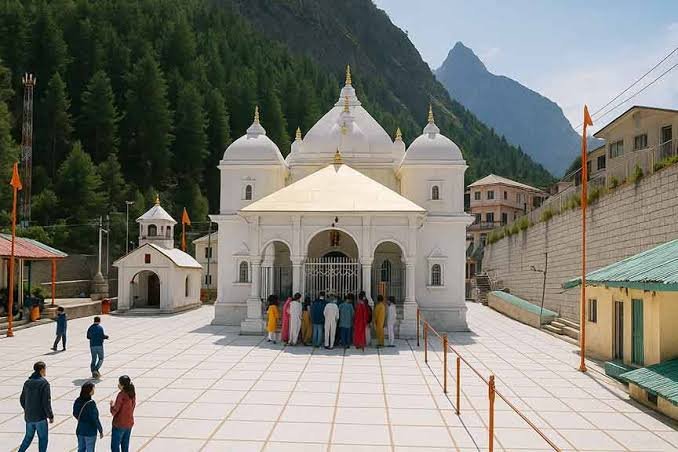
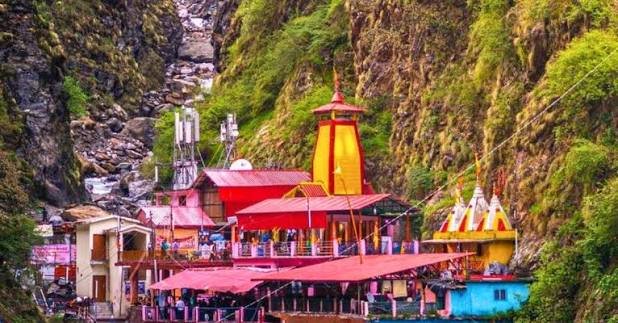
Badrinath Weather Month by Month 2027 – Temperature, Rain & Snow Guide
Planning a Badrinath Yatra in 2027? Weather is one of the most important factors to understand before travelling to this high-altitude Himalayan pilgrimage destination.
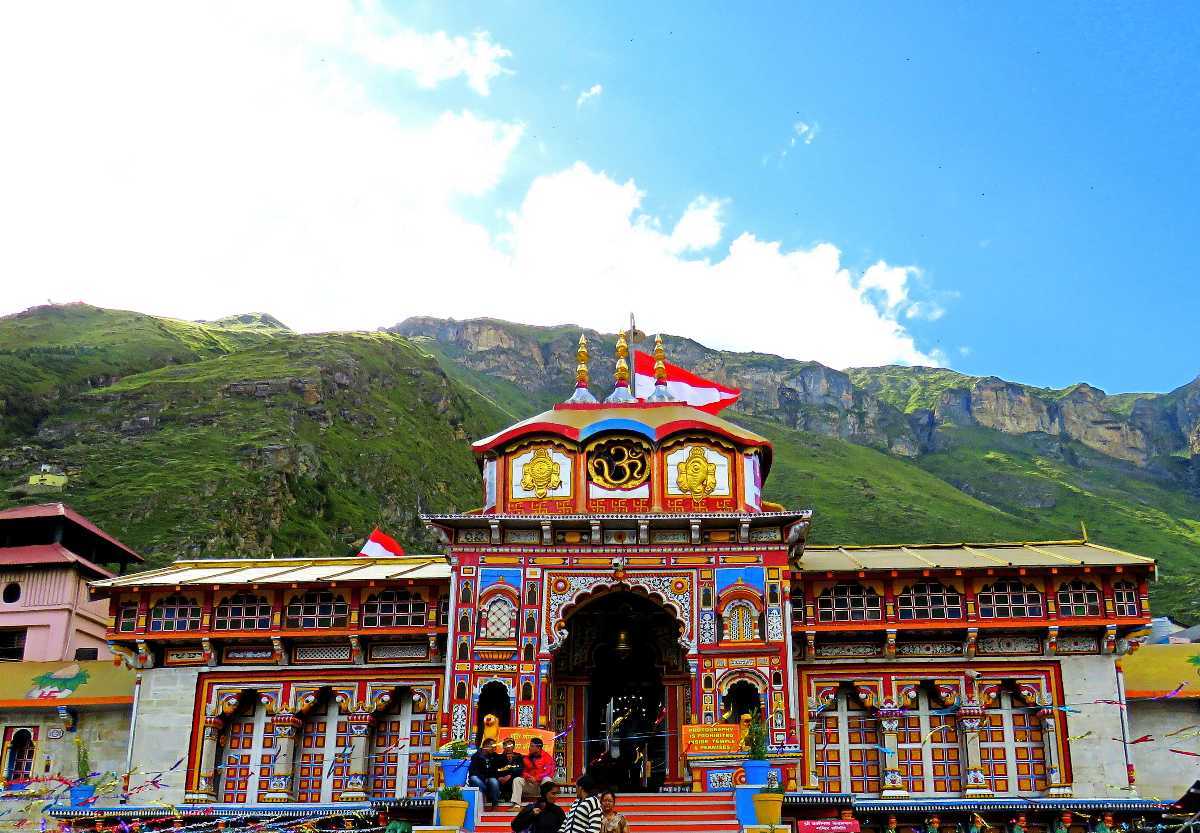
Badrinath is located in Uttarakhand's Chamoli district at an elevation of around 3,133 metres (10,279 ft). Because of its altitude and mountain location, weather conditions can change quickly. A sunny afternoon may be followed by a cold evening, while rain, cloud cover and occasional snowfall can significantly affect travel conditions during different parts of the season.
This Badrinath weather month-by-month 2027 guide explains the typical conditions travellers can expect from the pre-opening period through the main pilgrimage season and winter.
Important: The temperatures mentioned below are approximate historical/typical ranges, not a weather forecast for 2027. Actual conditions can vary significantly. Travellers should check the latest official weather and road updates before departure.
Badrinath Weather 2027 at a Glance
| Month |
Approx. Day Temperature |
Approx. Night Temperature |
Typical Conditions |
| March |
0°C to 8°C |
-8°C to 0°C |
Very cold, snow possible |
| April |
4°C to 12°C |
-3°C to 4°C |
Cold, snow may remain |
| May |
7°C to 15°C |
1°C to 7°C |
Cool days, cold nights |
| June |
10°C to 18°C |
5°C to 10°C |
Comparatively comfortable |
| July |
10°C to 17°C |
7°C to 11°C |
Monsoon, frequent rain possible |
| August |
10°C to 17°C |
7°C to 11°C |
Rain/clouds, changing conditions |
| September |
8°C to 16°C |
3°C to 8°C |
Cooler, generally clearer after monsoon |
| October |
3°C to 12°C |
-2°C to 5°C |
Cold, snowfall possible |
| November |
0°C to 8°C |
-6°C to 1°C |
Very cold, increasing snow possibility |
| December–February |
Below freezing periods |
Well below freezing |
Heavy winter conditions |
Note: These ranges are indicative only. Mountain weather can vary from year to year and even within the same day.
Badrinath Weather in March 2027
March remains a winter-like month in Badrinath. Snow may still cover large parts of the higher Himalayan region, and temperatures can remain close to or below freezing, particularly at night.
Badrinath Temple is normally not part of the regular pilgrimage season during March.
What to Expect
-
Very cold mornings and nights
-
Snow or ice around higher areas
-
Limited regular pilgrimage activity
-
Weather-dependent road conditions
March should therefore not be treated like a normal Char Dham travel month.
Badrinath Weather in April 2027
April marks a gradual transition towards spring, but Badrinath can still be extremely cold compared with the plains.
Snow may remain around the surrounding peaks and shaded areas. Early-season travellers should be prepared for sudden drops in temperature.
The exact Badrinath Temple opening date for 2027 should be confirmed from the official announcement before planning your journey.
What to Pack
Carry:
Do not assume that April temperatures in Haridwar, Rishikesh or Dehradun represent conditions in Badrinath.
Badrinath Weather in May 2027
May is generally one of the important months of the Badrinath pilgrimage season once the temple has opened.
Days can feel pleasant in sunshine, but mornings, evenings and nights remain cold.
Typical May Conditions
Day: approximately 7°C–15°C
Night: approximately 1°C–7°C
Travellers should still carry proper winter clothing. Senior citizens and children may feel the cold more strongly, especially early in the morning.
May can also see busy pilgrimage traffic, particularly around weekends and holiday periods.
For complete journey planning, see our Badrinath Tour Package.
Badrinath Weather in June 2027
June generally offers relatively moderate daytime conditions compared with the colder opening and closing months.
The days may be comfortable when the sun is out, while evenings remain cool.
Typical June Conditions
Day: approximately 10°C–18°C
Night: approximately 5°C–10°C
However, travellers should remember that Himalayan weather is never completely predictable. Rainfall and sudden temperature changes remain possible.
If you are combining Badrinath with Kedarnath, explore our Do Dham Yatra packages.
Badrinath Weather in July 2027
July usually falls within Uttarakhand's monsoon period.
This changes the nature of the journey considerably. Rainfall can affect mountain roads, and landslides, falling stones, traffic restrictions or temporary road closures may occur in vulnerable sections.
July Travel Considerations
-
Check the weather before leaving each destination.
-
Avoid unnecessary night driving in mountain areas.
-
Keep additional time in your itinerary.
-
Follow local administration and traffic police advisories.
-
Do not proceed through a route that authorities have temporarily restricted.
Travellers should not rely only on a long-range forecast made several days before the journey.
Badrinath Weather in August 2027
August also generally remains part of the monsoon period.
Temperatures may not be extremely low during daytime, but rain, clouds and road conditions become more important considerations than temperature alone.
If Travelling in August
Keep your itinerary flexible and carry:
-
Waterproof jacket/raincoat
-
Quick-drying clothing
-
Protective cover for luggage
-
Shoes with reliable grip
-
Essential medicines
-
Warm layer for Badrinath evenings
Road conditions should be checked before starting from Haridwar, Rishikesh, Srinagar, Rudraprayag, Joshimath or other overnight points.
Badrinath Weather in September 2027
September is an important transition period as monsoon conditions generally begin to withdraw from Uttarakhand.
As rainfall reduces, travellers may experience clearer mountain views. At the same time, temperatures begin to fall, particularly during mornings and nights.
Typical September Conditions
Day: approximately 8°C–16°C
Night: approximately 3°C–8°C
A warm jacket remains essential.
Weather conditions during early September and late September can be noticeably different, so check the latest forecast close to your actual departure date.
Badrinath Weather in October 2027
October brings distinctly colder conditions to Badrinath.
Days can be crisp and clear, but nights may become very cold. As the month progresses, temperatures can approach freezing, and snowfall becomes increasingly possible.
October Packing Essentials
-
Thermal innerwear
-
Heavy winter jacket
-
Woollen cap
-
Gloves
-
Warm socks
-
Layered clothing
-
Suitable walking shoes
Senior citizens should take extra care during very early morning and late evening hours.
If your main question is which season or month is best for your journey, read our dedicated Best Time to Visit Badrinath guide.
Badrinath Weather in November 2027
November becomes increasingly winter-like.
Temperatures can fall below freezing at night, and snowfall may become more likely. The regular pilgrimage season also approaches its end around this period, depending on the officially announced temple closing date.
Do not plan a November pilgrimage based on previous years' closing dates.
Always verify the official Badrinath Temple closing date for 2027 before booking hotels or transport.
Badrinath Weather from December to February
Badrinath experiences severe winter conditions after the pilgrimage season.
Heavy snowfall can cover the temple town and surrounding region, and temperatures frequently remain below freezing.
The Badrinath Temple is closed during the winter period, and this should not be treated as a normal Badrinath pilgrimage season.
Travellers interested in Uttarakhand during winter should consider destinations that remain suitable and accessible for winter tourism rather than assuming regular Badrinath Yatra operations.
Badrinath Temperature: Day vs Night
One common mistake travellers make is checking only the daytime temperature.
The difference between daytime and nighttime conditions in Badrinath can be significant.
Even when sunshine makes the afternoon feel comfortable, temperatures can drop rapidly after sunset.
Therefore, packing should be based on the coldest expected part of your stay, rather than only the afternoon temperature displayed in a weather app.
Does It Snow in Badrinath?
Yes. Badrinath receives snowfall during the colder months.
Snow may also occur around the beginning or end of the pilgrimage season depending on prevailing weather systems.
However, no specific snowfall date can be guaranteed months in advance.
If snowfall is important to your travel plans, check short-range forecasts shortly before departure instead of relying on historical averages.
Badrinath Weather for Senior Citizens
Senior citizens planning Badrinath Yatra should pay particular attention to temperature, altitude and rapidly changing weather.
Useful precautions include:
-
Avoid rushing immediately after arrival.
-
Keep adequate warm clothing accessible.
-
Stay hydrated.
-
Avoid unnecessary exposure during very cold early-morning hours.
-
Keep prescribed medicines readily available.
-
Build sufficient rest into the itinerary.
-
Follow medical advice appropriate to your individual health circumstances.
Badrinath is situated above 3,000 metres, so travellers should take altitude seriously.
Badrinath Weather During Monsoon
July and August generally require the greatest attention to rainfall and road conditions.
In the Himalayan region, heavy rainfall can result in:
If travelling during monsoon, keeping at least one buffer day can make the itinerary more practical.
Always follow instructions issued by the local administration and road authorities.
What Clothes Should You Carry for Badrinath?
Regardless of the month, layered clothing is usually more useful than relying on a single jacket.
May–June
Carry:
July–August
Add:
September
Carry:
-
Thermals
-
Fleece/sweater
-
Warm jacket
-
Woollen cap
October–November
Carry:
-
Heavy thermals
-
Heavy winter jacket
-
Gloves
-
Woollen cap
-
Warm socks
-
Multiple warm layers
How to Check Badrinath Weather Before Your Journey
Do not depend exclusively on social-media posts or old travel blogs for current conditions.
Before departure, check:
-
India Meteorological Department (IMD) for weather forecasts and warnings.
-
Uttarakhand government/local administration advisories for route-related updates.
-
Local traffic/police information when weather affects road movement.
-
Your hotel, driver or ground operator for destination-level practical conditions.
During monsoon or periods of severe weather, recheck conditions on the same day you travel.
Badrinath Road Conditions and Weather
Weather and road conditions should be treated as separate checks.
A forecast showing moderate rain does not automatically mean that every road section is affected. Similarly, clear weather at Badrinath does not guarantee that every section of the approach road is clear.
The commonly used route from Haridwar/Rishikesh towards Badrinath passes through important points such as:
Rishikesh → Devprayag → Srinagar → Rudraprayag → Karnaprayag → Nandprayag → Joshimath → Badrinath
Conditions can vary at different points along this mountain route.
For travellers arranging private transport, see our Haridwar to Badrinath Taxi information.
Badrinath Weather vs Best Time to Visit Badrinath
These are related questions, but they are not exactly the same.
This page focuses specifically on:
Badrinath weather, temperature, rain, snowfall and month-by-month conditions.
If you are trying to decide when you should actually plan the journey, including season comparison, crowds and overall travel suitability, visit our complete:
➡️ Best Time to Visit Badrinath
This separation helps travellers find the specific information they need.
Planning Badrinath Yatra 2027 with ABD Holidays
ABD Holidays Pvt. Ltd. provides Badrinath and Char Dham travel arrangements from Haridwar, Rishikesh and Dehradun.
Services include:
-
Badrinath Tour Packages
-
Kedarnath–Badrinath Do Dham Yatra
-
Char Dham Yatra by Road
-
Private Taxi Services
-
Tempo Traveller & Group Transport
-
Hotel Arrangements
-
Customized Uttarakhand Itineraries
For travellers planning the complete pilgrimage, explore our Char Dham Yatra 2027 Packages.
Call / WhatsApp: +91-7535869999
Email: info@abdholidays.com
Website: https://abdholidays.com/
Frequently Asked Questions – Badrinath Weather 2027
What is the weather like in Badrinath in May 2027?
May generally has cool days and cold mornings and nights. Approximate temperatures may range around 7°C–15°C during the day and 1°C–7°C at night, although actual 2027 weather will depend on prevailing conditions.
Is Badrinath cold in June?
Yes. June can feel comparatively pleasant during sunny daytime hours, but mornings and nights remain cool because Badrinath is situated at an altitude of more than 3,000 metres.
Does it rain in Badrinath in July?
July generally falls within Uttarakhand's monsoon period, so rainfall is common. Travellers should also check road and local administration advisories before travelling.
Is Badrinath rainy in August?
August generally remains a monsoon month. Rainfall, cloud cover and temporary travel disruption are possible.
How is Badrinath weather in September?
September usually sees a transition away from peak monsoon conditions, while temperatures gradually become colder. Conditions can vary considerably between early and late September.
Is Badrinath very cold in October?
Yes. October becomes progressively colder, especially at night. Temperatures can approach freezing and snowfall may occur depending on weather conditions.
When does snowfall start in Badrinath?
There is no fixed snowfall date. Snow becomes more likely as temperatures fall towards late autumn and winter, but individual weather systems determine actual snowfall.
What is the coldest month in Badrinath?
December, January and February form the severe winter period, with temperatures frequently below freezing and significant snowfall possible.
Can I visit Badrinath during monsoon?
Travel can take place during the operational pilgrimage season, but monsoon travel requires greater flexibility because heavy rain may affect roads. Follow official weather and route advisories.
Which clothes should I carry for Badrinath?
Warm layered clothing is advisable throughout the pilgrimage season. During colder months, thermals, a heavy jacket, gloves, woollen cap and warm socks become especially important.
Where can I check the latest Badrinath weather?
Check the India Meteorological Department and relevant Uttarakhand government/local administration advisories shortly before and during your journey.
Is this the Best Time to Visit Badrinath guide?
No. This article specifically covers Badrinath weather month by month. For season selection, travel suitability and the ideal time for different types of travellers, read our dedicated Best Time to Visit Badrinath page.
Final Travel Note
Badrinath's Himalayan location means weather can change faster than travellers from the plains may expect.
Rather than choosing a travel date based only on average temperature, consider rainfall, road conditions, altitude, cold exposure and official travel advisories together.
Use this month-by-month guide for general planning, but always check the latest weather and road situation immediately before your Badrinath Yatra 2027.