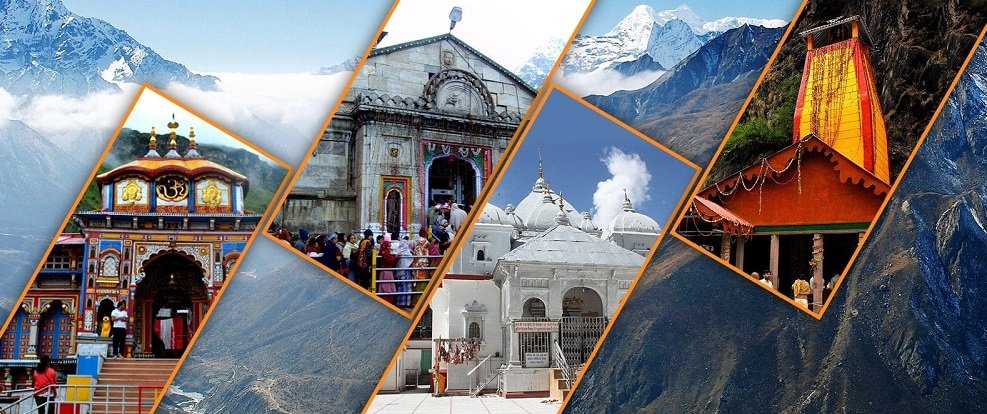
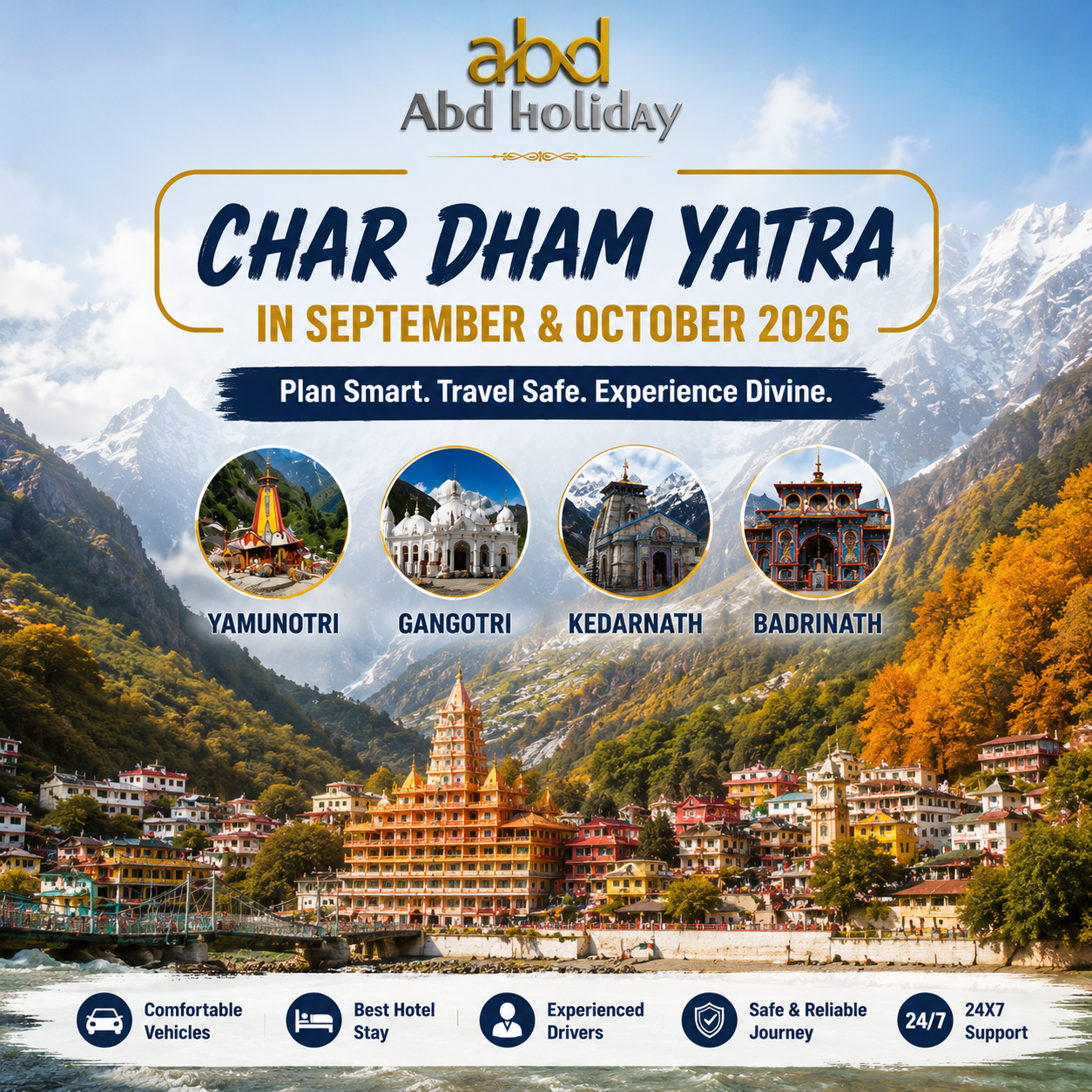
Char Dham Yatra in September & October 2026 – Current Weather, Route & Complete Travel Guide
Planning a Char Dham Yatra in September or October 2026?
The September–October period can be an important part of the later Char Dham pilgrimage season, but Himalayan travel should never be planned only by looking at the calendar.
Weather can change quickly, road conditions can change after rainfall, and late-season travellers also need to consider colder conditions and the applicable temple closing schedules.
As of 22 September 2026, the India Meteorological Department's Uttarakhand warning bulletin shows no warning for September 22–24, while thunderstorms/lightning are indicated for September 25 and very heavy rain is forecast in the warning outlook for September 26–28.
This means travellers should check the forecast again close to departure instead of assuming that the entire month of September will have identical weather.
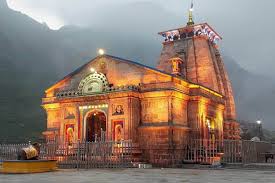
Kedarnath Yatra Complete Guide
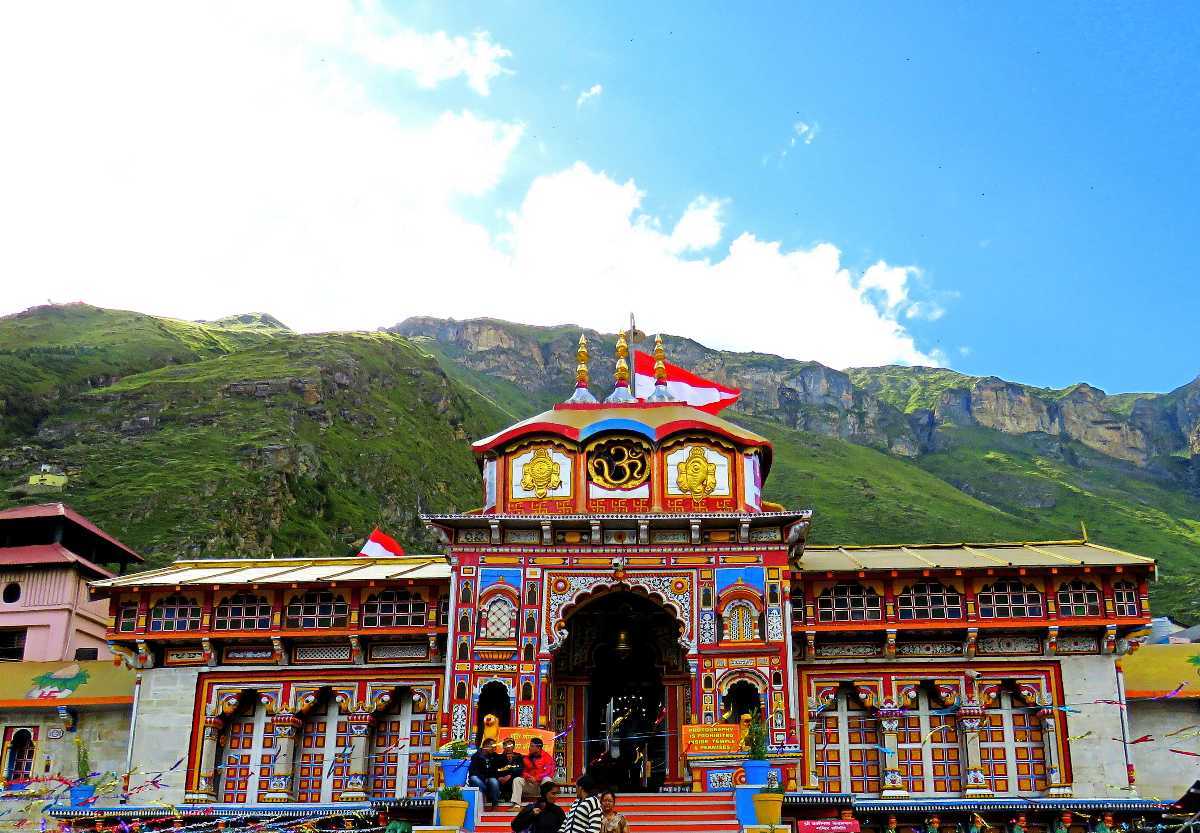
Badrinath Yatra Guide
Do Dham Yatra by Road
Do Dham Yatra by Helicopter
Char Dham Weather Update – 22 September 2026
The current IMD forecast is useful for near-term planning, but it should not be treated as a guarantee for the complete pilgrimage.
For Uttarakhand:
- 22 September: No state warning
- 23 September: No state warning
- 24 September: No state warning
- 25 September: Thunderstorm/lightning and related warning
- 26 September: Very heavy rain warning
- 27 September: Very heavy rain warning
- 28 September: Very heavy rain warning
The practical lesson for pilgrims is simple:
Check the forecast immediately before departure and continue checking it during the journey.
Char Dham September–October 2026 at a Glance
| Factor |
September |
October |
| Yatra Season |
Operational subject to current conditions |
Operational until applicable temple closing dates |
| Rain Possibility |
Yes, particularly around/post monsoon |
Generally lower than peak monsoon, but weather remains variable |
| Landscape |
Very green, post-monsoon scenery |
Autumn Himalayan scenery |
| Temperature |
Cool in higher areas |
Noticeably colder |
| Warm Clothes |
Required |
Definitely required |
| Rain Protection |
Essential |
Still advisable |
| Road Check |
Essential |
Essential |
| Best For |
Flexible post-monsoon travellers |
Travellers comfortable with colder weather |
Important: This is planning guidance, not a weather guarantee. Check the latest IMD forecast and official road/local advisories immediately before and during your journey.
Current Char Dham Weather Update – 18 August 2026
As this guide is being published, Uttarakhand is still in the monsoon period.
On 18 August 2026 at 07:00 IST, IMD's Char Dham sector nowcast reported moderate-to-heavy rain/intense spells on portions of the Haridwar–Rishikesh and Rishikesh–Rudraprayag corridors, with rain/intense spells also affecting the Rudraprayag–Joshimath sector.
This is important for September travellers to understand.
Today's conditions do not tell us what the weather will be on your September travel date.
They do tell us why flexibility matters when moving from the monsoon into the post-monsoon period.
Never plan a Himalayan pilgrimage based on a forecast seen several weeks earlier.
Is September 2026 Good for Char Dham Yatra?
September can be a useful travel window for pilgrims who prefer to travel after the main summer period.
However, September should not automatically be described as a completely dry or “perfect weather” month.
Rain can still occur, particularly during weather systems affecting Uttarakhand.
If you are travelling in September, keep:
- Rain protection
- Warm layers
- Comfortable walking shoes
- Flexible travel time
- Current weather checks
- Current route information
A flexible itinerary is particularly useful for mountain travel.
Is October 2026 Good for Char Dham Yatra?
October can also be a good pilgrimage period for travellers comfortable with colder Himalayan conditions.
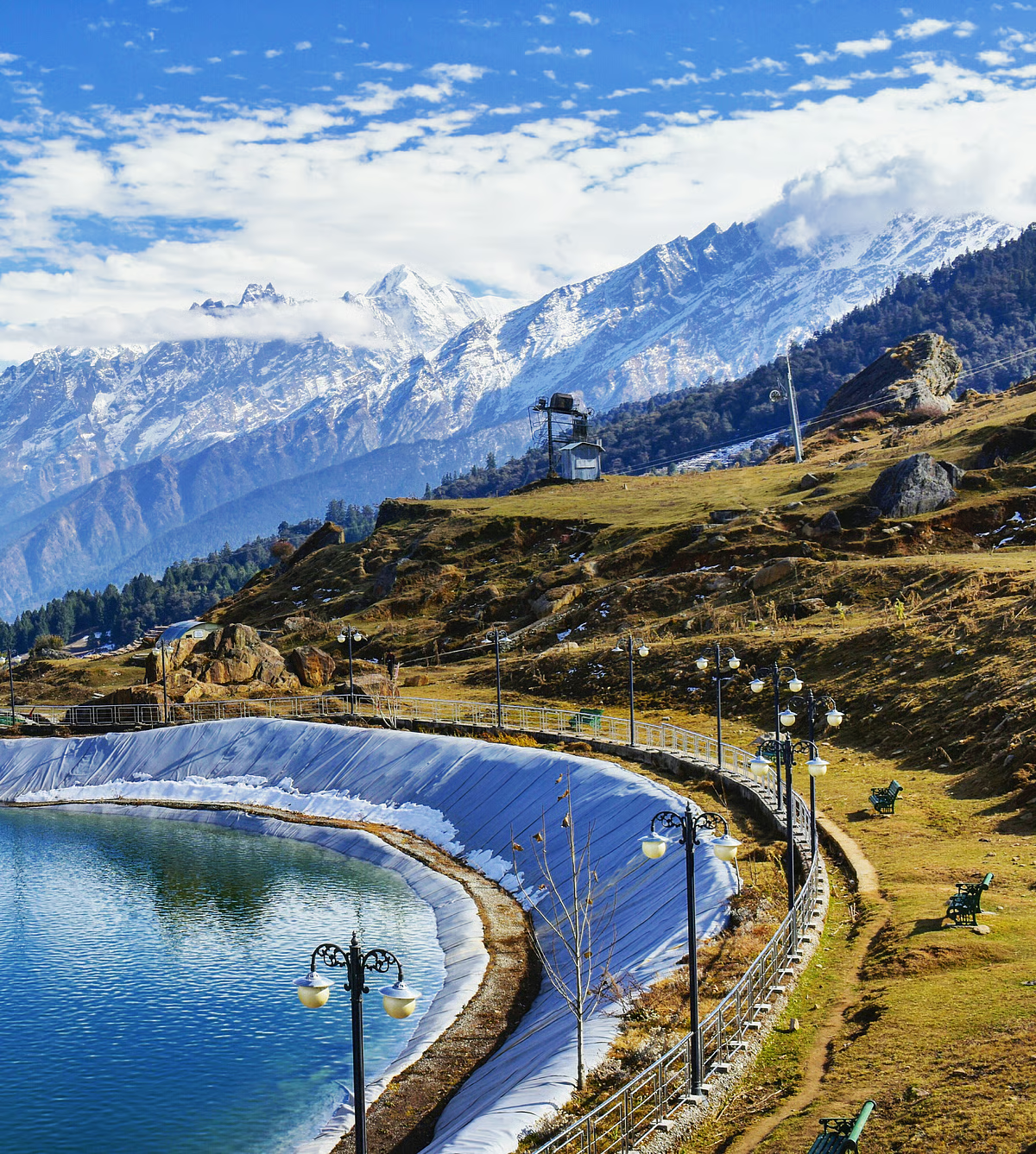
As autumn progresses, mornings and evenings become increasingly cold at higher-altitude destinations.
Late-season travellers have another factor to consider:
temple closing dates.
If you are planning towards the latter part of October or beyond, verify the applicable official closing schedule for each Dham before making non-refundable arrangements.
Do not assume all four temples will remain accessible simply because your hotel or train is available.
Is September 2026 Good for Char Dham Yatra?
September can be a useful travel window for pilgrims who prefer to travel after the main summer period.
However, September should not automatically be described as a completely dry or “perfect weather” month.
Rain can still occur, particularly during weather systems affecting Uttarakhand.
If you are travelling in September, keep:
- Rain protection
- Warm layers
- Comfortable walking shoes
- Flexible travel time
- Current weather checks
- Current route information
A flexible itinerary is particularly useful for mountain travel.
Char Dham Route in September & October
The traditional Char Dham sequence is:
Yamunotri → Gangotri → Kedarnath → Badrinath
A road itinerary from Haridwar typically moves through the Garhwal Himalayas according to this sequence.
Your exact overnight stops should depend on:
Do not compress a pilgrimage simply because an online map suggests the distance can technically be driven in a certain number of hours.
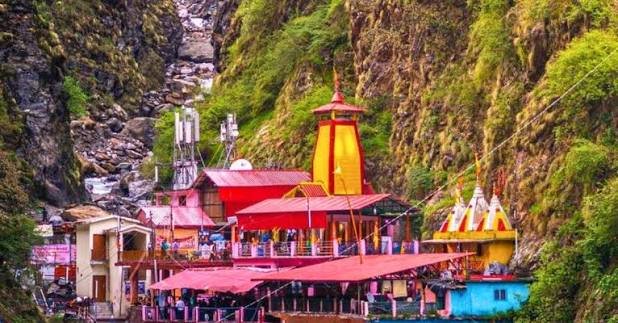
Yamunotri in September & October 2026
Yamunotri is traditionally the first Dham.
The final approach requires a mountain journey from the Janki Chatti side, so footwear and rain protection remain important.
In September, a wet trail can feel very different from a dry one.
Carry:
-
shoes with reliable grip,
-
lightweight rain protection,
-
warm layer,
-
spare socks,
-
only essential items in your day bag.
Senior citizens considering authorised assisted travel should check current local availability and rates rather than relying on information from an older season.
Internal Link: Yamunotri Yatra Guide
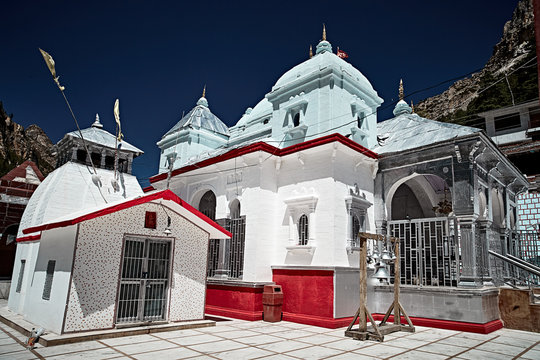
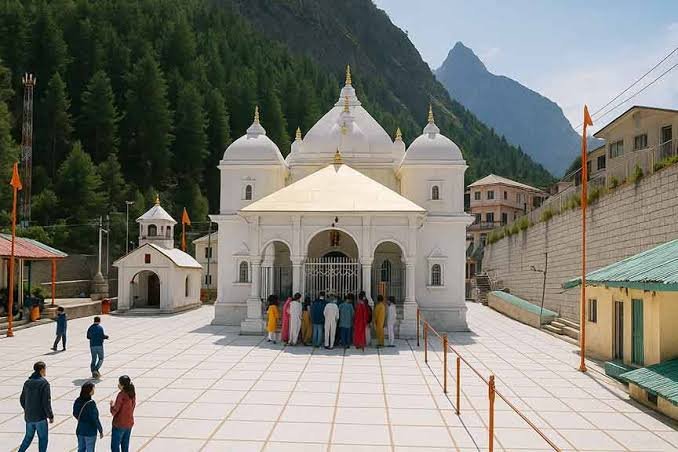
Gangotri in September & October 2026
Gangotri differs from Yamunotri because the temple is approached by road rather than a long final trek.
That does not remove the need for weather awareness.
The Gangotri route passes through mountain terrain where rainfall can affect travel conditions.
Harsil is also an important part of the wider Gangotri valley experience and can be considered according to your itinerary.
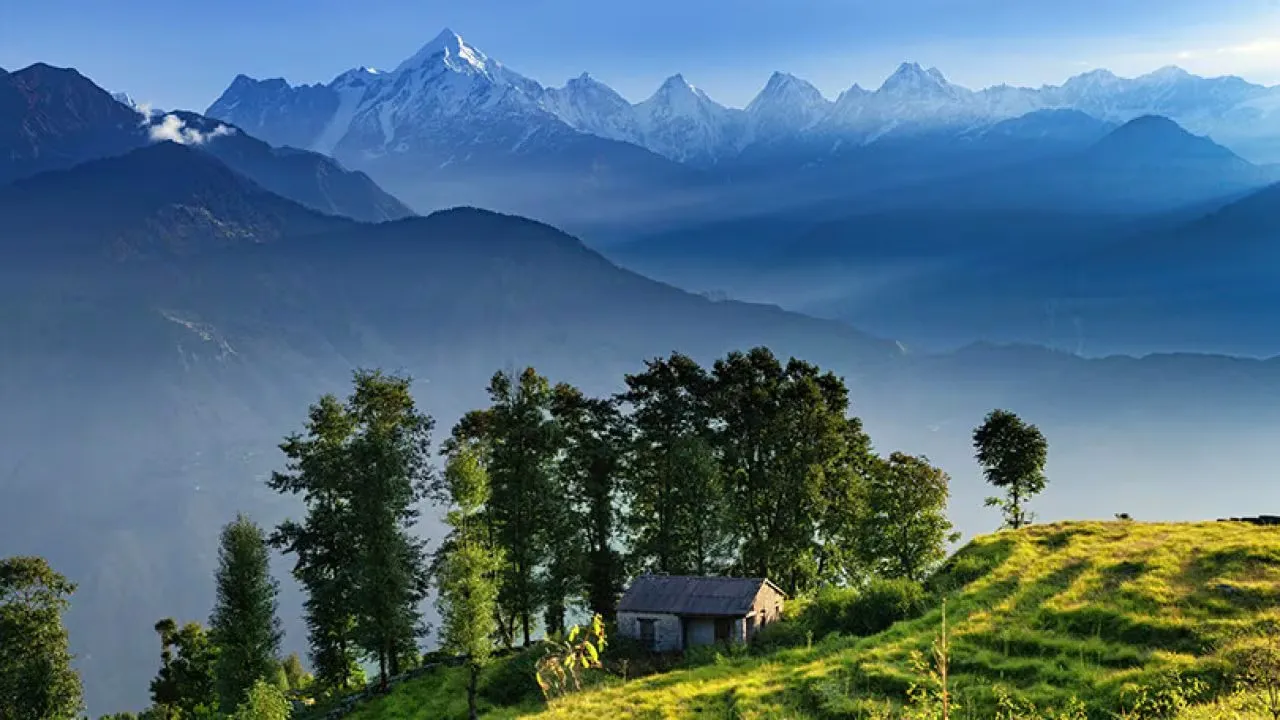
September can offer very green scenery.
October brings colder conditions.
Internal Link: Gangotri Yatra Guide
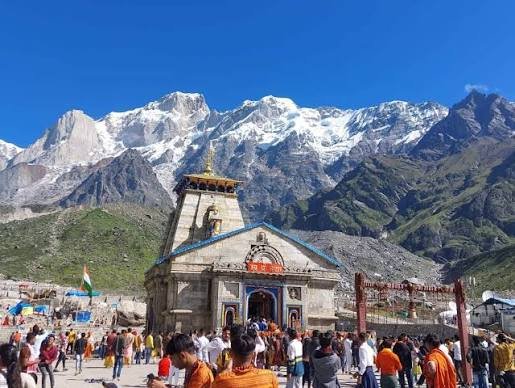
Kedarnath in September 2026
September is frequently considered by pilgrims who missed the May–June period.
But Kedarnath requires more planning than simply choosing a month.
For road-based pilgrims, the journey includes the final mountain route from the Gaurikund side.
Your experience will depend on:
-
weather,
-
fitness,
-
crowd levels,
-
trek conditions,
-
start time,
-
individual health.
A post-monsoon trek should never be approached with unsuitable footwear.
Start early and follow current local instructions.
Internal Link: Kedarnath Yatra Complete Guide
Kedarnath in October 2026
October generally means colder conditions at Kedarnath.
Warm clothing becomes particularly important.
A clear-looking afternoon in the plains should not influence what you pack for a high-altitude temple.
Carry proper layers.
If travelling with elderly parents, think carefully about overnight accommodation, walking ability and cold tolerance.
Do not use the phrase “perfect weather guaranteed” while selling an October Kedarnath package.
No responsible operator can guarantee Himalayan weather.
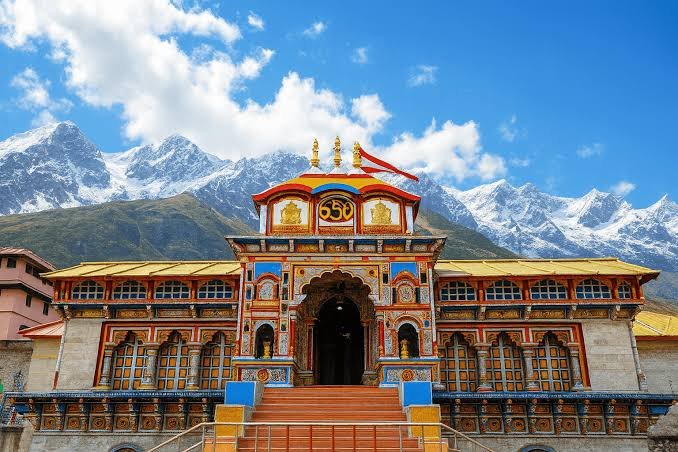
Badrinath in September 2026
Badrinath is road accessible, making it logistically different from Kedarnath.
September can provide beautiful post-monsoon scenery along the route.
However, the long Garhwal road journey still requires current road and weather checks.
Travellers coming after Kedarnath should also consider fatigue.
Do not force an aggressive transfer simply because Badrinath itself does not require a long trek.
Internal Link: Badrinath Yatra Guide
Badrinath in October 2026
October becomes progressively colder in Badrinath.
For late-season travel, check the official temple closing schedule.
Carry winter layers even if Haridwar is comfortable when you begin the journey.
Families should also check whether their chosen hotel remains operational for their exact late-season dates.
Do Dham in September & October
If completing all four Dhams is difficult because of time, many pilgrims consider:
Kedarnath + Badrinath
as a Do Dham journey.
This can reduce the number of travel days compared with the complete Char Dham circuit.
But Kedarnath still involves significant physical/logistical planning.
Internal Link: Do Dham Yatra by Road
For travellers with limited time, applicable helicopter options can also be considered subject to authorised operations, availability and weather.
Internal Link: Do Dham Yatra by Helicopter
Road or Helicopter in September?
Both require weather awareness.
A helicopter should never be marketed as a weather-proof alternative.
Himalayan helicopter operations depend on weather, visibility and operational conditions.
If your itinerary uses helicopter services, keep flexibility for delays or changes.
Never promise a passenger that a helicopter will definitely fly at a particular time weeks in advance.
September Rain – What Should Travellers Expect?
The useful question is not:
“Will it rain in September?”
Nobody can reliably answer that for your exact travel date weeks in advance.
The better question is:
“Are we prepared if it rains?”
Carry rain protection.
Protect your documents and electronics.
Wear suitable footwear.
Keep buffer time.
Check the latest forecast each day.
If official/local authorities advise against movement on a particular route, do not push ahead merely because your hotel is already paid for.
What to Pack for September Char Dham Yatra
Your luggage needs to handle both rain and cold.
Carry:
-
waterproof/rain jacket,
-
warm jacket,
-
fleece or sweater,
-
comfortable trekking/walking shoes,
-
spare socks,
-
quick-dry clothing,
-
warm cap,
-
personal medicines,
-
ID and registration records,
-
power bank,
-
small day bag,
-
reusable water bottle.
Do not carry your full suitcase on the Yamunotri or Kedarnath mountain route.
What to Pack for October
October requires greater emphasis on warmth.
In addition to normal travel clothing, consider:
People feel cold differently.
Senior citizens and children may need additional layers.
Char Dham Yatra for Senior Citizens in September–October
A later-season Yatra can be suitable for some senior citizens, but age alone does not decide suitability.
Consider:
Travellers with relevant medical conditions should obtain appropriate medical advice.
Plan the itinerary around the slowest traveller in the family.
That one decision can make the entire journey more comfortable.
Keep a Buffer Day
This is one of our strongest recommendations for a Himalayan pilgrimage.
If possible, do not schedule your return to Haridwar and an important flight from Dehradun within an unrealistically tight window.
Road conditions can change.
Weather can change.
A helicopter sector can be delayed.
A family member may simply need more rest.
A buffer is not a wasted day.
It is insurance against unnecessary stress.
Registration for September–October Char Dham Yatra
Complete the registration requirements applicable to your travel dates through the authorised Uttarakhand system.
Keep:
organised and accessible.
Internal Link: Char Dham Yatra Registration 2026 / applicable registration guide
Do not confuse Yatra registration with helicopter booking. They are separate processes.
Should You Book Hotels in Advance?
For a planned pilgrimage, advance accommodation arrangements are sensible.
But do not choose a hotel only from photographs.
Ask:
In pilgrimage towns, a practical location can be more useful than decorative luxury.
Which Vehicle Is Best?
Vehicle choice depends on passenger count and luggage.
A couple may choose a sedan or suitable SUV.
A family may prefer an Innova/Crysta-type vehicle.
Groups may consider Tempo Traveller, Urbania or an appropriate coach according to size and route suitability.
Comfort matters because Char Dham involves many hours on mountain roads.
Do not overcrowd a vehicle just to reduce the per-person cost.
What If Heavy Rain Is Forecast During Your Trip?
Follow current official and local advice.
Do not pressure your driver to continue simply because you have a hotel booking at the next destination.
During significant rain, mountain slopes, streams and road conditions can change quickly.
As of this article's publication on 18 August 2026, IMD continues to issue rain/thunderstorm warnings across pilgrimage sectors.
By the time you travel in September or October, check the new forecast for your actual dates.
Common September–October Planning Mistakes
Assuming Monsoon Ends on 1 September
Weather does not change according to a fixed tourism calendar.
Carrying Only Light Clothing
High-altitude Dhams can be cold even when Haridwar is warm.
Booking a Tight Return Flight
Keep a reasonable buffer.
Trusting an Old Road Video
Yesterday's road video is not tomorrow's road status.
Choosing the Cheapest Hotel Without Checking Location
Accessibility matters.
Treating Helicopter as Weather-Proof
It isn't.
Trying to Drive Too Far Every Day
Mountain journeys need realistic timings.
Ignoring Senior Citizens' Pace
The itinerary should fit the traveller, not the brochure.
Suggested Char Dham Itinerary from Haridwar
A comfortable road itinerary can broadly follow:
Day 1: Haridwar → Barkot
Day 2: Yamunotri → Barkot
Day 3: Barkot → Uttarkashi
Day 4: Gangotri → Uttarkashi
Day 5: Uttarkashi → Kedarnath route base
Day 6: Kedarnath journey
Day 7: Return from Kedarnath / appropriate overnight halt
Day 8: Proceed towards Badrinath
Day 9: Badrinath / return towards Srinagar or suitable halt
Day 10: Return to Haridwar
This is a sample structure, not a promise that every traveller should follow exactly the same overnight plan.
Your itinerary should be adjusted for road conditions, passenger age, hotel availability and actual travel dates.
Frequently Asked Questions
Where should I check the latest official Char Dham weather?
Before departure, check the latest weather information from the India Meteorological Department (IMD) and travel/route advisories from Uttarakhand Tourism / Tourist Care Uttarakhand. Weather and road conditions in the Himalayas can change quickly, so check again close to your travel date.
What clothes should I carry in September and October?
Carry layered clothing, a warm jacket, thermals where necessary, comfortable trekking shoes, woollen cap, gloves and rain protection. October generally requires warmer clothing, especially for Kedarnath and Badrinath.
Which month is better for senior citizens — September or October?
For senior citizens, the better month depends on health, mobility and current weather conditions. September may offer comparatively milder temperatures, while October can be colder at high-altitude destinations. A relaxed itinerary with sufficient rest and buffer time is recommended.
Is September 2026 good for Char Dham Yatra?
September can be a useful post-monsoon travel window, but rain can still occur. Keep flexibility and check current forecasts.
Is October good for Char Dham?
October can be suitable for many travellers, although higher-altitude destinations become colder and late-season travellers must check temple closing schedules.
Does monsoon end on 1 September?
No. Weather does not change on a fixed calendar date.
Can it rain in September?
Yes.
Is Kedarnath open in September 2026?
Travel should be planned according to the operating season and current official/local conditions.
Can we visit Kedarnath in October?
October can fall within the pilgrimage season, but check your exact dates against the applicable official closing schedule.
Is Badrinath good in September?
September can offer attractive post-monsoon scenery, subject to current weather and road conditions.
Is Badrinath very cold in October?
Temperatures become increasingly cold, particularly mornings and evenings. Carry appropriate warm clothing.
Is Yamunotri possible in September?
Yes during the operating season, subject to current route/weather conditions. The final mountain route requires suitable footwear and preparation.
Can we visit Gangotri in October?
It can be visited during the applicable temple season. Late-season travellers should confirm the closing schedule.
Which is better—September or October?
September may offer greener post-monsoon scenery; October is later and colder. The right choice depends on your family and dates.
Is September less crowded than May?
Crowd levels vary by exact dates, weekends, holidays and conditions. Do not assume a guaranteed crowd level.
Do we need raincoats in September?
Yes, carrying lightweight rain protection is sensible.
Do we need winter clothes in September?
Warm layers are required for high-altitude destinations.
Do we need thermals in October?
They can be useful, especially for people sensitive to cold and at higher-altitude locations.
Is Char Dham safe after monsoon?
Safety depends on current weather, road conditions and official/local advisories. Check them throughout the journey.
Can senior citizens travel in September?
Many can, depending on individual health, mobility and itinerary design.
Is October suitable for senior citizens?
It can be for some travellers, but colder temperatures and individual health should be considered.
Is helicopter service available in September?
Helicopter operations depend on the applicable operating programme, availability, weather and operational conditions.
Does helicopter fly during rain?
Operations depend on weather, visibility and aviation safety decisions. Never assume a flight is guaranteed.
Should we keep a buffer day?
Yes, where possible. It can protect against weather, road or operational delays.
Can we do only Kedarnath and Badrinath?
Yes. Kedarnath and Badrinath are commonly combined as Do Dham Yatra.
Can we start from Haridwar?
Yes. Haridwar is a common starting point for road-based Char Dham itineraries.
Can ABD Holidays arrange Dehradun Airport pickup?
Airport transfers can be incorporated into a customised itinerary.
Which vehicle is suitable for a family?
It depends on passenger count, luggage and desired comfort.
Do we need Char Dham registration?
Follow the official registration requirements applicable to your travel dates.
Should we book hotels before September?
Advance planning is sensible, particularly once your travel dates are firm.
Can road conditions change during the Yatra?
Yes. Himalayan conditions can change because of weather, traffic and road work.
Is Google Maps travel time accurate?
Use it as a broad reference only. Actual mountain travel can take longer.
What is the most important September Char Dham tip?
Keep flexibility and check current weather instead of assuming the monsoon is completely over.
What is the most important October tip?
Carry proper warm clothing and verify the closing schedule for your exact dates.
Related Guides
Add internal links to:
-
Char Dham Yatra by Road
-
Char Dham Yatra by Helicopter
-
Do Dham Yatra by Road
-
Do Dham Yatra by Helicopter
-
Kedarnath Yatra Guide
-
Badrinath Yatra Guide
-
Yamunotri Yatra Guide
-
Gangotri Yatra Guide
-
Char Dham Registration Guide
-
Haridwar Taxi Service
-
Dehradun Airport Taxi Service
Plan Your September–October Char Dham Yatra with ABD Holidays
A post-monsoon Char Dham journey should not be built around a generic ten-day PDF.
Your actual plan should consider your travel dates, number of passengers, senior citizens, children, vehicle preference, hotel comfort level and available buffer time.
ABD Holidays Pvt. Ltd. can assist with customised Char Dham road journeys, helicopter packages, Do Dham itineraries, hotels, private transportation and Haridwar/Dehradun transfers.
Call / WhatsApp: +91-7535869999
Email: info@abdholidays.com
Website: www.abdholidays.com
For a practical itinerary, WhatsApp:
Travel Date + Starting City + Adults + Children + Senior Citizens + Road/Helicopter + Hotel Preference
Our team can then plan around the people actually travelling rather than forcing your family into a one-size-fits-all itinerary.
Har Har Mahadev 🙏