Home
Helicopter Packages
Kumb 2027 NEW
Car Rental
Hotels
Blogs

Best Price Guarantee

Compare quotes from top agents & save up to 10% on every trip

Trusted Customers

4.5★ Google rating across happy Customers

100% Secure Booking

Pay via ABD Holidays — fully protected money-safe guarantee

September–October Char Dham Yatra

September–October Char Dham Yatra 2026 – Road & Helicopter Packages

Road & Helicopter Packages for a Peaceful Himalayan Pilgrimage

Part 1: Why September & October Can Be a Beautiful Time for Char Dham

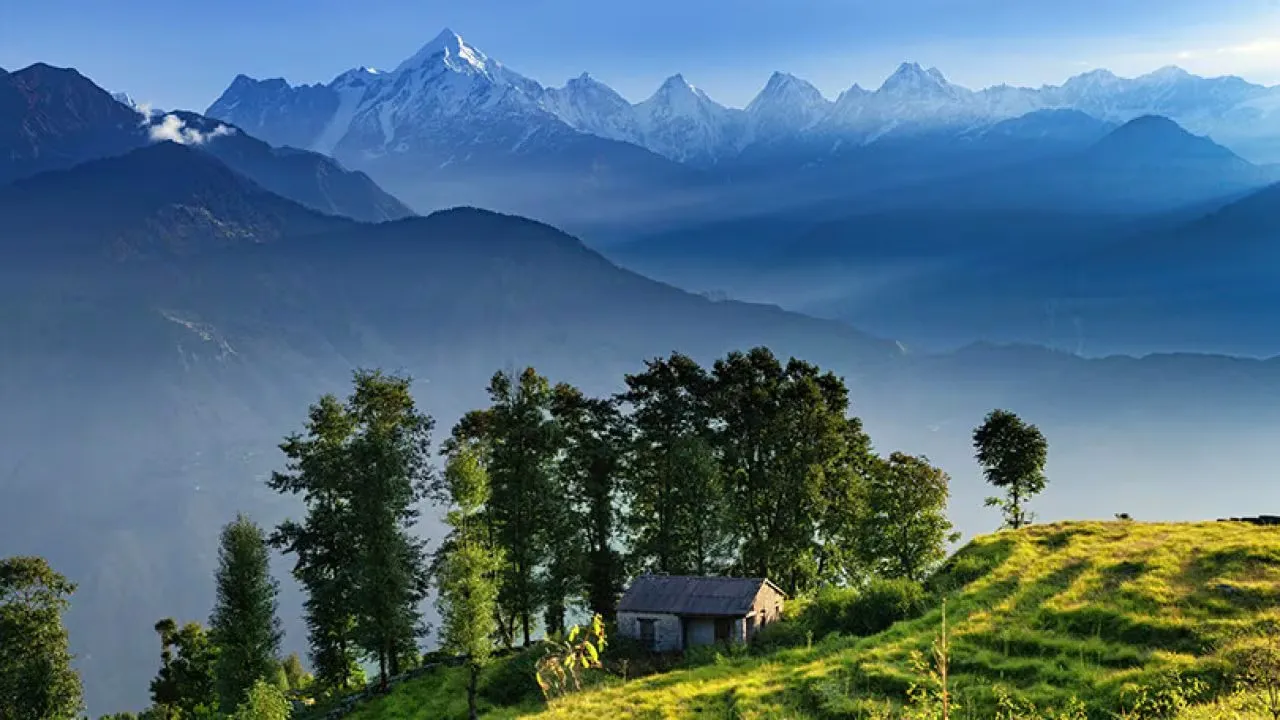
There is something different about the Himalayas after the monsoon.

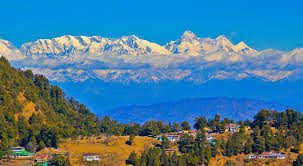
The mountains look freshly washed, the valleys are greener, waterfalls still tumble down the hillsides, and as the weather begins to settle, the distant peaks start appearing through the clouds again.

For pilgrims who could not travel during the busy early Char Dham season, September and October offer another opportunity to visit Yamunotri, Gangotri, Kedarnath and Badrinath before the winter closure period.

And for some families, this period actually suits them better.

At ABD Holidays Pvt. Ltd., we've been helping pilgrims travel through Uttarakhand since 2013. Every season, we speak with families who initially believe that May and June are the only good months for the Char Dham Yatra.

Then they ask us:

"Can we do the Char Dham Yatra in September or October?"

The answer is yes, subject of course to the actual weather, road conditions, temple schedules and government advisories applicable on your travel dates.

But there is something important we tell every family:

Don't choose September or October simply because someone says it will be less crowded.

Choose it because the season suits you.


Why Consider September–October for Char Dham Yatra?

The Char Dham experience changes as the season progresses.

During the early part of the Yatra, there is tremendous excitement around the opening of the temples. Families arrive from across India, school holidays bring additional travellers, and popular routes can become extremely busy.

September and October have a different character.

The weather begins moving towards autumn, temperatures become cooler, and many travellers find the overall atmosphere more peaceful than during the peak summer rush.

For devotees who prefer travelling without feeling constantly hurried, that difference can matter.

You may have a little more time to appreciate the journey rather than simply moving from one destination to the next.

And on a pilgrimage like Char Dham, those quiet moments often become the ones you remember most.


September – When the Mountains Turn Green

September has its own charm.

After weeks of monsoon rain, Uttarakhand can look wonderfully fresh.

The hills are green.

Rivers flow strongly.

Small waterfalls appear along mountain roads.

Clouds drift between the valleys, sometimes hiding the peaks completely and then suddenly revealing them again.

For someone who loves nature, the journey itself can be beautiful.

But September also requires sensible planning.

The monsoon does not disappear according to a calendar date. Rain can continue in parts of Uttarakhand, particularly earlier in the month, and mountain road conditions can change.

This is why we never tell travellers:

"September weather will definitely be perfect."

Nobody should make that promise in the Himalayas.

Instead, keep your itinerary realistic, follow current weather and road advisories, and leave some flexibility in your travel plan.

A little patience goes a long way in the mountains.


October – Cooler Weather, Clearer Mornings & a Spiritual Atmosphere

October feels different.

The greenery remains, but the air becomes noticeably cooler.

Early mornings at higher elevations can be cold, and proper warm clothing becomes essential—especially around destinations such as Kedarnath.

For many devotees, however, this cooler Himalayan atmosphere adds something special to the pilgrimage.

Imagine waking early in the morning, putting on your warm jacket and stepping outside while the mountains slowly appear in the first light of the day.

There is a silence in those moments that is difficult to find anywhere else.

By this point in the season, winter is gradually approaching, so travellers should plan around the officially applicable temple closing schedules rather than assuming that every date in late autumn will be available.


September or October – Which Should You Choose?

We don't believe there is one answer for every traveller.

If you enjoy greener landscapes and don't mind keeping some flexibility for changing weather, September may appeal to you.

If you prefer cooler conditions and the feel of autumn in the Himalayas, October may be more suitable.

But your decision should also depend on who is travelling.

A young couple may be comfortable with conditions that an elderly parent finds difficult.

A photography enthusiast may happily wait for clouds to clear.

A family travelling with children may prefer a more predictable and relaxed itinerary.

That's why we always begin by understanding the traveller rather than simply recommending a month.


Road or Helicopter – Both Offer Very Different Experiences

For the September–October Char Dham Yatra 2026, travellers can consider either a traditional road journey or helicopter-based options, depending on operational availability and applicable conditions.

Char Dham by Road

The road journey is for travellers who want to experience Uttarakhand rather than simply reach the temples.

You travel through mountain towns, river valleys and sacred confluences.

You stop for tea beside the road.

You watch the landscape change every day.

And somewhere between Haridwar and the four Dhams, the road itself becomes part of your pilgrimage.

Char Dham by Helicopter

A helicopter itinerary can be particularly useful for travellers with limited time or families looking to reduce long road journeys.

It is often considered by senior citizens, NRIs, working professionals and families travelling with elderly parents.

However, helicopter operations in the Himalayas are weather- and operation-dependent. Flight schedules, routes and services must always be treated according to the applicable aviation and government rules for the travel date.


Who Should Consider This Season?

A September–October journey can work particularly well for travellers who:

  • Missed the early-season Char Dham Yatra.
  • Prefer travelling after the peak summer period.
  • Enjoy cooler mountain weather.
  • Want to experience post-monsoon Uttarakhand.
  • Can keep some flexibility in their itinerary.
  • Are comfortable planning according to current weather and road conditions.

For senior citizens, we recommend looking beyond the month itself.

Consider the total driving hours, hotel comfort, rest periods, medical requirements and whether road or helicopter travel is genuinely suitable.

Comfort should always come before trying to finish the Yatra quickly.


A Journey That Should Never Be Rushed

Over the years, we've noticed that the families who enjoy Char Dham the most aren't necessarily those with the most expensive packages.

They're usually the ones who arrive with realistic expectations.

They understand that mountain travel takes time.

They don't become upset if a tea break lasts twenty minutes longer.

They don't try to squeeze too many destinations into a single day.

Instead, they allow the journey to unfold naturally.

And that's when something beautiful happens.

A roadside stop overlooking the river becomes a family photograph.

A cold morning becomes a story everyone remembers.

A quiet moment after darshan becomes more meaningful than anything written in the itinerary.

The Char Dham Yatra isn't only about reaching four temples.

It is about everything you experience on the way to them.

At ABD Holidays Pvt. Ltd., our aim for the September–October Char Dham Yatra 2026 is to help you choose a journey that fits your family—whether that means a comfortable road package, a helicopter itinerary, or a customised travel plan from Haridwar or Dehradun.

September vs October – Which Month Is Better for Your Family?

One of the most common questions we receive from travellers planning the later part of the Char Dham season is:

“Should we travel in September or wait until October?”

Both months can offer a beautiful pilgrimage, but the experience is not exactly the same.

September carries the freshness of the monsoon. October brings cooler air and the feeling that winter is slowly approaching the Himalayas.

At ABD Holidays Pvt. Ltd., we believe the right month should not be selected only by looking at crowds or package prices. Your family's age, health, available dates, tolerance for cold weather and preferred way of travelling matter much more.

Here is a practical comparison to help you decide.


Char Dham Yatra in September 2026

September is a month of transition in Uttarakhand.

The heavy monsoon period begins moving away, but that doesn't mean rain suddenly stops everywhere on the first day of the month.

This is important.

Sometimes travellers see a beautiful photograph of green mountains online and assume that September will automatically mean clear skies and perfect roads.

Mountain weather is never that predictable.

There may be beautiful sunny days, cloudy mornings and periods of rain—all within the same journey.

That is why September travellers should keep a little flexibility in their itinerary.


What Makes September Special?

The landscape is perhaps September's greatest attraction.

After the rains, the mountains can look incredibly fresh.

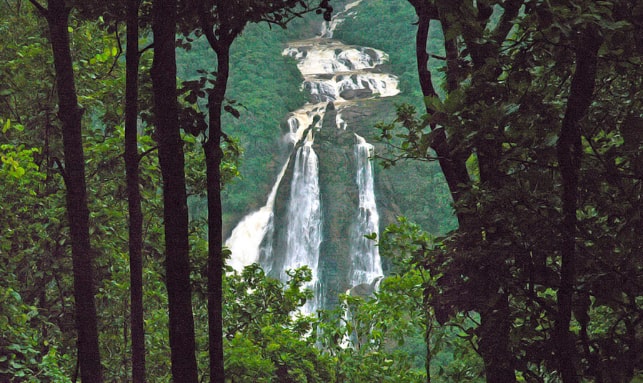
Forests are green, waterfalls remain active, and the rivers carry the energy of the monsoon.

On clear days, driving through Uttarakhand during this period can be an experience in itself.

You don't simply sit inside the vehicle waiting to reach the next hotel.

You find yourself looking outside constantly.

A waterfall appears around one bend.

A river runs beside you for kilometres.

Clouds move slowly across the mountains.

And sometimes everyone in the vehicle becomes quiet for a few minutes simply because the view is too beautiful to ignore.

These moments are part of what makes a road pilgrimage special.


Who May Prefer September?

September may suit travellers who enjoy nature and don't mind keeping their plans slightly flexible.

It can be particularly appealing to:

  • Couples
  • Families
  • Photography lovers
  • Nature enthusiasts
  • Repeat Char Dham pilgrims
  • Travellers who missed the May–June season

However, anyone travelling during this period should continue checking the latest weather and road advisories before and during the journey.


Char Dham Yatra in October 2026

October brings a noticeable change to the mountains.

The air becomes cooler.

Mornings feel fresher.

At higher elevations, you'll begin reaching for your jacket much earlier in the day.

The landscape also starts taking on an autumn character.

For many pilgrims, October creates exactly the kind of atmosphere they imagined when dreaming about a Himalayan pilgrimage.

Cold air.

Temple bells.

Mountains in the morning light.

A hot cup of tea after darshan.

Simple things suddenly feel special.


What Makes October Different?

October can feel more peaceful than the busiest part of the Char Dham season, but travellers should not assume that every temple or route will be quiet on every date.

Festival periods, weekends, local conditions and the approaching temple closure period can all influence visitor movement.

More importantly, temperatures continue to fall as the month progresses.

A pleasant afternoon does not mean the early morning will feel the same.

This becomes especially important when visiting higher-altitude destinations.

Proper warm clothing is essential.


September vs October – Quick Comparison

Factor September October
Landscape Very green & post-monsoon Autumn Himalayan scenery
Temperature Generally milder Cooler, especially mornings/nights
Rain Possibility Greater, especially earlier Usually less monsoon influence
Warm Clothing Required More important
Photography Green valleys & clouds Clearer autumn-style mountain views possible
Best For Nature lovers & flexible travellers Travellers comfortable with colder weather
Planning Weather flexibility important Cold-weather preparation important

These are general seasonal patterns, not guarantees. Always check conditions close to your actual travel dates.


What About Kedarnath in September & October?

For many families, Kedarnath is the part of the journey they think about most.

And understandably so.

The high-altitude environment means travellers should prepare carefully regardless of whether they're visiting in September or October.

In September, rain and changing weather may still need to be considered.

As October progresses, colder temperatures become increasingly important.

If you're trekking, don't judge the conditions by the weather you experienced in Haridwar.

Haridwar may feel comfortable while Kedarnath feels completely different.

Carry suitable layers and follow current local and official instructions.


What About Badrinath?

The road journey to Badrinath is one of the most memorable sections of the entire Yatra.

As you move through the Alaknanda Valley, the mountains gradually become more dramatic.

Many travellers also wish to explore nearby places around Badrinath, depending on access and the time available.

Instead of planning an extremely tight schedule, leave enough time for darshan and rest.

By October, particularly later in the season, cold-weather preparation becomes increasingly important.


What About Yamunotri & Gangotri?

Yamunotri and Gangotri should not be treated as secondary stops simply because Kedarnath receives more attention online.

They are an essential part of the complete Char Dham pilgrimage.

The journey towards Yamunotri requires planning for the onward pilgrimage from the roadhead, while Gangotri offers a beautiful mountain drive through the Bhagirathi Valley.

September's greenery can make these routes particularly scenic.

October brings cooler conditions and a different mountain atmosphere.

For both, allow realistic travel time rather than trying to rush from one Dham to another.


Which Month Is Better for Senior Citizens?

This question deserves more than a one-word answer.

We would never tell every senior citizen:

“September is better.”

Or:

“October is better.”

Age alone doesn't determine whether someone can comfortably complete the Yatra.

A healthy 70-year-old may travel more comfortably than someone considerably younger who has difficulty with altitude or long drives.

Before deciding, consider:

  • General health
  • Mobility
  • Ability to handle cold
  • Long driving hours
  • Required medication
  • Rest requirements
  • Road vs helicopter preference

For elderly parents, a relaxed itinerary can often make a greater difference than changing the travel month by a few weeks.


Should Senior Citizens Choose Helicopter Travel?

Not automatically.

Helicopter packages can reduce long road travel and may suit families with limited time or elderly members.

But helicopter operations in Himalayan terrain remain dependent on weather, visibility, aviation requirements and operational conditions.

Families should understand this before booking.

If your parents are comfortable travelling by road, a well-planned private journey with appropriate rest stops can also be a wonderful experience.

The right decision is the one made around the traveller—not around the package.


Don't Forget About Temple Closing Dates

This becomes particularly important for October travel.

Char Dham temples do not remain open throughout winter.

Their closing dates are determined according to the applicable traditions and announced for the season.

So if you're considering travelling later in October or beyond, verify the officially announced 2026 closing dates before finalising your itinerary.

Don't rely on dates copied from an old blog.

A pilgrimage page should help you plan accurately, not create false confidence.


Our Recommendation

If a traveller calls us and asks:

“September or October—just tell me which one to choose?”

we first ask about the family.

If they love green landscapes and can accommodate some weather flexibility, September may suit them beautifully.

If they prefer cooler autumn conditions and are properly prepared for lower temperatures, October can be equally memorable.

For senior citizens, we look at comfort and health before the calendar.

For helicopter travellers, we explain that weather flexibility remains necessary.

And for road travellers, we always recommend leaving enough time to actually enjoy Uttarakhand.

Because there is little point travelling hundreds of kilometres through some of India's most beautiful mountains if your entire journey feels like you're racing towards the next hotel.


September or October – The Faith Remains the Same

In September, you may see the mountains covered in deep green.

In October, you may wake to a cold Himalayan morning.

One traveller may reach Kedarnath under cloudy skies.

Another may see the peaks glowing in clear morning light.

The experience will never be identical.

But once you stand before the temple, fold your hands and close your eyes, the month written on your itinerary becomes much less important.

That is the beauty of the Char Dham Yatra.

The season changes. The mountains change. The journey changes. But the faith remains the same.
 

Complete Char Dham Yatra by Road – A Comfortable Haridwar to Haridwar Journey

For many pilgrims, the Char Dham Yatra by road is still the most meaningful way to experience Uttarakhand.

Yes, the journey is longer.

There are early mornings, winding mountain roads and days when you may spend several hours inside the vehicle.

But there is another side to it.

You watch the landscape change from the plains of Haridwar to the high Himalayas. You travel beside the Bhagirathi, Mandakini and Alaknanda rivers. You stop at small mountain towns, see sacred confluences and share countless conversations with the people travelling beside you.

By the time you reach the fourth Dham, it often feels as though the road itself has become part of the pilgrimage.

For travellers planning their September–October Char Dham Yatra 2026, a well-paced road itinerary can be a wonderful choice—particularly when the journey is planned around comfort rather than simply trying to cover maximum kilometres every day.


How Many Days Should You Keep?

A common question is:

“Can we complete Char Dham in seven or eight days?”

Our suggestion is not to begin with the shortest possible itinerary.

Begin with the people who are travelling.

If you're travelling with elderly parents, children or family members who aren't accustomed to long mountain drives, an extra day can make a remarkable difference.

For a traditional journey starting and ending in Haridwar, a 9 Nights / 10 Days itinerary gives travellers a more practical structure for covering all four Dhams.
The usual pilgrimage sequence is:

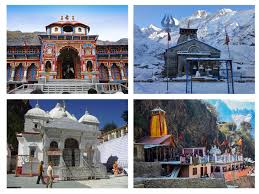
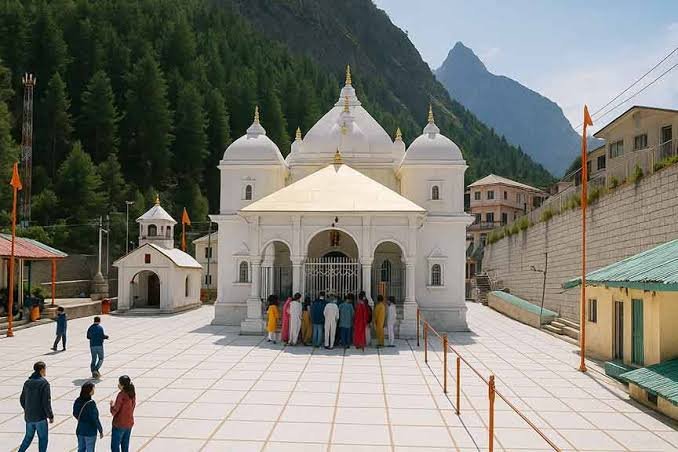
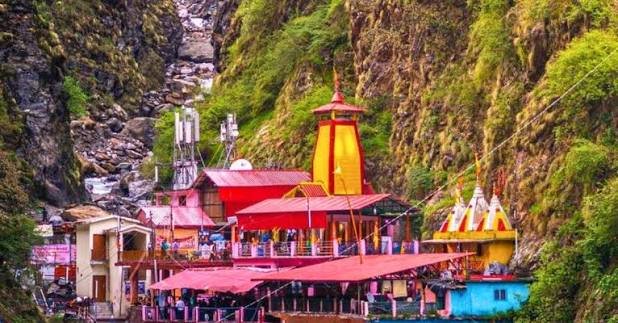
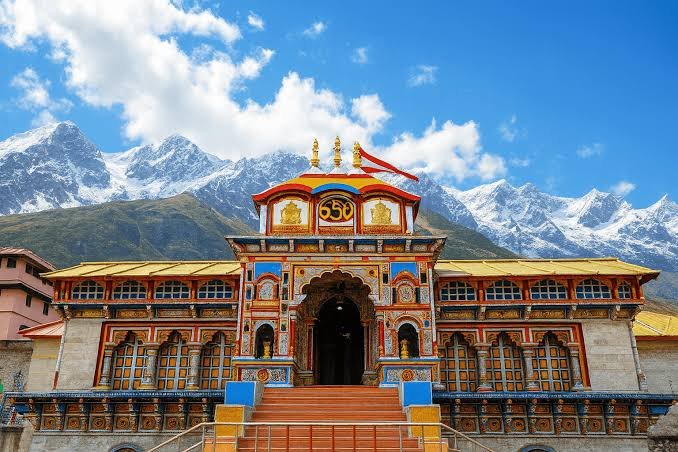
Haridwar → Yamunotri → Gangotri → Kedarnath → Badrinath → Haridwar

Let's look at how the journey can unfold.


Day 1: Haridwar to Barkot

The first morning feels different.

Bags are loaded into the vehicle.

Everyone checks their phones, medicines and documents one last time.

Then, slowly, Haridwar disappears behind you.

Your Char Dham Yatra has officially begun.

The drive towards Barkot introduces you to the mountain roads of Uttarakhand. Rather than planning too much sightseeing on the first day, we generally prefer keeping the day comfortable.

Reach your hotel, have dinner and rest.

There is a reason for this.

Tomorrow is Yamunotri.

And you will want your energy for the pilgrimage.


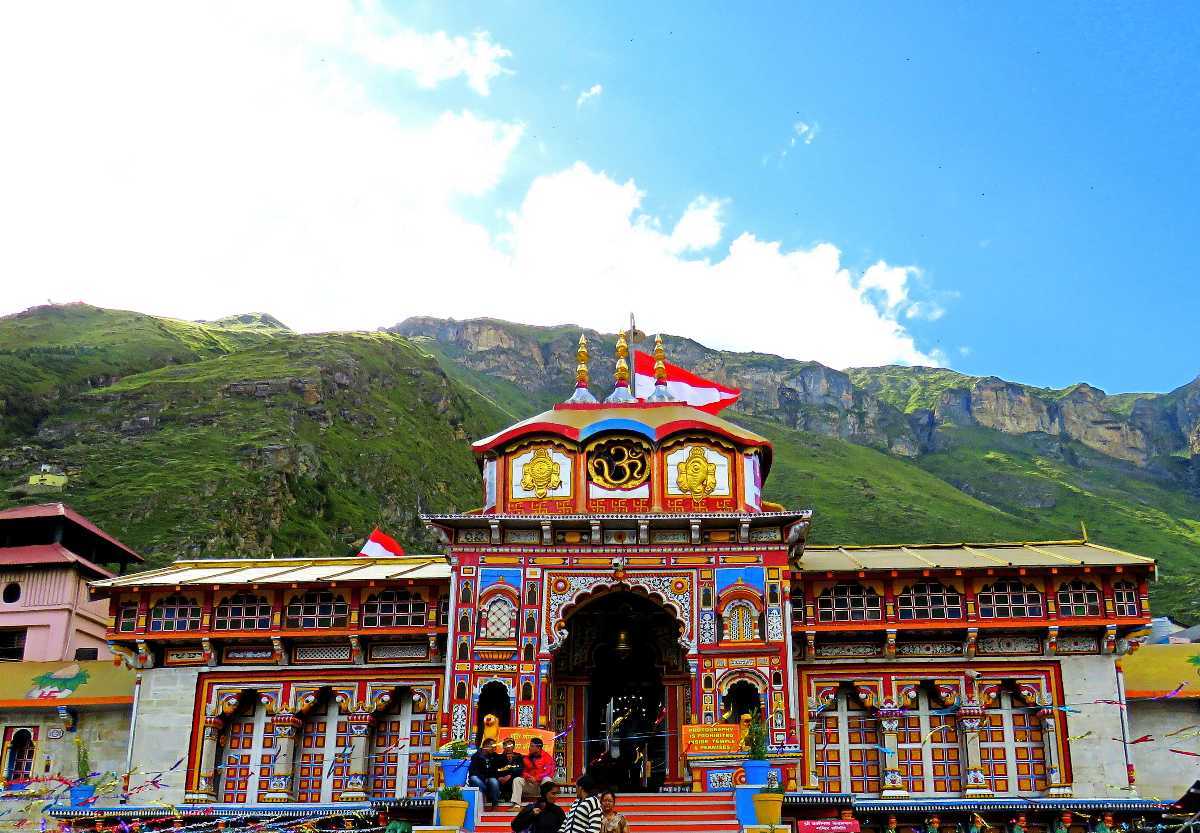
Day 2: Yamunotri Darshan & Return to Barkot

For many first-time travellers, Yamunotri is the day when the Char Dham Yatra starts feeling real.

After an early breakfast, drive towards the roadhead for the onward Yamunotri pilgrimage.

From there, pilgrims proceed towards the temple according to their chosen and locally available travel arrangements.

Some walk.

Others may use pony or palki services where available and suitable.

Don't turn this day into a race.

Take breaks when needed.

Keep water with you.

And if elderly parents are travelling, allow them to move at a comfortable pace.

After darshan, return to Barkot for another night's stay.

You'll probably be tired.

But it is the good kind of tired—the feeling of having completed the first Dham.

1 Dham complete. Three remain.


Day 3: Barkot to Uttarkashi

After breakfast, continue towards Uttarkashi.

Compared with the previous day's pilgrimage, this can feel like a relatively relaxed travel day.

Uttarkashi is one of Uttarakhand's important spiritual towns and a common base for pilgrims travelling towards Gangotri.

Depending on arrival time and local conditions, you can spend the evening resting or visiting nearby places according to your itinerary.

Our suggestion?

Don't fill every free hour with sightseeing.

Sometimes sitting at the hotel with a cup of tea and allowing your body to recover is exactly what a pilgrimage needs.


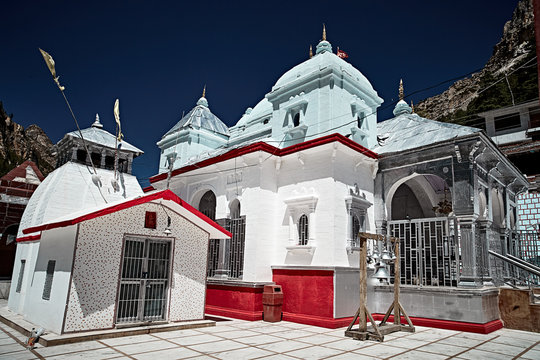
Day 4: Gangotri Darshan & Return to Uttarkashi

This is one of the most scenic drives of the journey.

As you travel towards Gangotri, the Bhagirathi accompanies you through much of the valley.

There are sections where everyone inside the vehicle naturally begins looking outside.

Mountains rise sharply around you.

The river flows below.

Small settlements appear and disappear along the road.

And as you approach Gangotri, the spiritual atmosphere becomes increasingly noticeable.

After reaching the temple, take your time for darshan.

If conditions allow, spend a few peaceful moments near the river.

Many travellers tell us later that these quiet minutes beside the Bhagirathi became one of their favourite memories of the entire Yatra.

Return to Uttarkashi for the night.

Two Dhams complete.


Day 5: Uttarkashi to Guptkashi / Phata Area

Today is primarily a travel day.

You'll move from the Gangotri side of the journey towards the Kedarnath region.

This can be a long mountain drive, so begin early and avoid unnecessary rushing.

For families, this is where having the right vehicle really matters.

Enough legroom.

Comfortable seating.

Space for luggage.

An experienced hill driver.

These things may not sound exciting while booking the package, but after several hours on mountain roads, they become extremely important.

Reach the Guptkashi/Phata side, have dinner and get proper rest.

Tomorrow is the day many pilgrims have been waiting for.

Kedarnath.


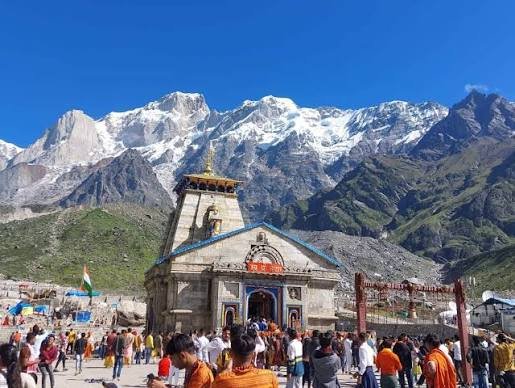
Day 6: Kedarnath Darshan

There is something about the morning of Kedarnath that is difficult to describe.

People who were chatting throughout the previous days often become quieter.

For some families, this is the reason they planned the entire Char Dham Yatra.

Depending on your arrangements and the applicable local system, proceed towards Kedarnath.

Some pilgrims undertake the traditional trek.

Others may use locally available assistance or helicopter services according to availability, applicable rules and weather conditions.

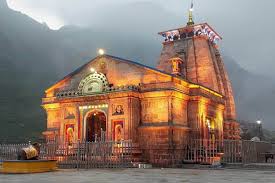
Regardless of how you reach the shrine, the first sight of Kedarnath Temple surrounded by the Himalayas is a moment most people never forget.

We've seen elderly parents become emotional.

We've seen families simply stand together without speaking.

No photograph fully captures that feeling.

After darshan, follow your planned overnight arrangement.

The exact structure should be kept realistic according to your selected mode of travel and current operating conditions.


Day 7: Kedarnath Sector to the Next Overnight Stop

After completing the Kedarnath pilgrimage, continue according to your planned descent/transfer arrangements.

This is not a day we recommend overloading.

After the physical effort and excitement of Kedarnath, your body may need rest.

A comfortable evening, hot meal and proper sleep can prepare you for the final part of the Char Dham journey.

At this stage, something interesting usually happens inside the group.

People start counting.

“Yamunotri done.”

“Gangotri done.”

“Kedarnath done.”

Only one remains.

Badrinath.


Day 8: Journey Towards Badrinath

The road towards Badrinath takes you through another beautiful side of Uttarakhand.

Depending on your overnight location and itinerary, the journey continues through the Alaknanda Valley towards the sacred shrine of Lord Vishnu.

Don't spend the entire drive sleeping.

Look outside.

The landscape you've been travelling through for more than a week is now part of your story.

By the time you arrive in the Badrinath region, there is often a quiet sense of excitement.

The pilgrimage is approaching its final Dham.


Day 9: Badrinath Darshan & Return Journey

Wake early and prepare for Badrinath Darshan according to the applicable temple timings and local arrangements.

By this stage, the emotions are often different from the first day at Yamunotri.

You have travelled hundreds of kilometres.

You've crossed valleys and rivers.

You've experienced long roads, cold mornings and perhaps a few unexpected changes.

Now you're standing before the final Dham.

After darshan and any nearby visit included in your itinerary, begin the return journey and stay overnight at the planned destination on the way towards Haridwar.

Four Dhams complete.

For many families, saying those words feels like completing a dream that began years ago.


Day 10: Return to Haridwar

The final drive feels strangely quiet.

Ten days earlier, everyone was excited about what lay ahead.

Now the same vehicle is carrying you back towards Haridwar.

The luggage is the same.

The people are the same.

But something feels different.

Phones are filled with photographs.

Everyone has a favourite moment.

Someone loved Yamunotri.

Someone cannot stop talking about Gangotri.

For someone else, nothing compares with Kedarnath.

And the oldest member of the family may simply smile and say:

“Char Dham ho gaye.”

Sometimes four words are enough.

Arrive in Haridwar and conclude your journey with memories that will probably be discussed at family gatherings for years.


Which Vehicle Should You Choose?

For a multi-day Himalayan journey, don't choose your vehicle only by looking at the cheapest rate.

Think about how many hours your family will spend inside it.

For couples and small families, a suitable sedan or SUV may work depending on luggage and route requirements.

Families often prefer an Innova, Innova Crysta or similar spacious vehicle for additional comfort.

Larger groups can consider a Tempo Traveller or Force Urbania, depending on passenger count, luggage and route suitability.

The important question isn't:

“Which vehicle costs the least?”

It is:

“Which vehicle will still feel comfortable on Day 7?”

That is a much better way to choose.


Hotel Planning for September & October

You don't necessarily need luxury accommodation every night.

But you do need accommodation that works for a pilgrimage.

Look for practical things:

Clean rooms.

Comfortable beds.

Hot water arrangements.

Suitable meals.

Reasonable access from the route.

And for elderly travellers, avoid unnecessary stairs wherever possible.

In October, cold conditions become increasingly important at higher elevations, so discuss accommodation and heating-related arrangements according to the destination before finalising your booking.

A hotel may look beautiful in photographs.

What matters after a long mountain drive is whether your family can actually rest there comfortably.


Why a Private Road Journey Works Well for Families

One of the biggest advantages of travelling in a private vehicle is flexibility.

If your parents need a tea break, you can stop.

If the children need a washroom break, you can stop.

If everyone is tired, you can adjust the pace where the itinerary and conditions allow.

You aren't travelling according to the comfort of forty strangers.

You're travelling according to your family.

For a journey lasting more than a week, that flexibility can make an enormous difference.


A Road Journey Gives You Something a Flight Cannot

Helicopter travel is faster.

There is no question about that.

But travelling by road allows you to see how the four Dhams are connected to the rest of Uttarakhand.

You watch rivers merge.

You cross mountain towns.

You meet local people.

You see temples that were never mentioned in your original itinerary.

And you spend something modern families rarely get enough of:

time together.

Sometimes, after returning home, travellers realise that the ten days spent inside the mountains were the longest uninterrupted time their entire family had shared in years.

That is something no package price can measure.


Char Dham Yatra by Helicopter – A Comfortable Option for Families & Senior Citizens

There is one sentence we hear surprisingly often from elderly travellers:

“Char Dham jaana toh bahut saalon se tha, lekin road journey ka soch kar ruk jaate the.”

For some families, this is exactly where a Char Dham Yatra by helicopter becomes meaningful.

It isn't simply about travelling faster or choosing a luxury package. Sometimes, it is about helping parents or grandparents fulfil a wish they have carried for years without asking them to spend long days travelling on mountain roads.

For working professionals and NRIs, the reason may be different. They may genuinely want to complete the pilgrimage but simply cannot manage a traditional 9–10 day road itinerary.

A helicopter journey offers another way to experience Yamunotri, Gangotri, Kedarnath and Badrinath within a shorter period.

But there is something every traveller should understand before booking:

Helicopter travel in the Himalayas requires flexibility.

Weather, visibility, aviation requirements and operational conditions can affect flying schedules. A responsible travel company should explain this before taking your booking—not after a delay happens.


Why Consider a Helicopter Yatra in September–October?

September and October offer a different Himalayan experience from the busy early pilgrimage season.

September can bring beautiful green valleys after the monsoon, while October gradually introduces cooler autumn conditions.

For travellers who couldn't complete their pilgrimage earlier in 2026, this period may provide another opportunity before the temples close for winter, subject to the applicable schedules and operating conditions.

The helicopter option can be particularly attractive if you're travelling with elderly parents or have limited time.

However, September weather can still be changeable, and conditions in October become progressively colder.

So the decision should never be based only on convenience.

It should be based on realistic expectations.


Who Should Consider Char Dham by Helicopter?

We generally see four types of travellers considering this journey.

Senior citizens often choose it because they want to reduce long road travel.

Families with elderly parents may choose it so that everyone can experience the pilgrimage together.

Working professionals may not have enough leave for a traditional road itinerary.

And NRIs or travellers visiting India for a limited period may prefer a shorter, professionally coordinated journey.

But helicopter travel should not automatically be recommended to every elderly traveller.

Health, mobility, altitude, medical history and individual comfort still matter.

If there are existing medical concerns, taking appropriate medical advice before travelling is a sensible step.


A Typical Multi-Day Char Dham Helicopter Journey

A multi-day Char Dham helicopter itinerary generally begins from Dehradun, with the exact route and operating arrangements depending on the package and applicable schedule.

The pilgrimage covers:

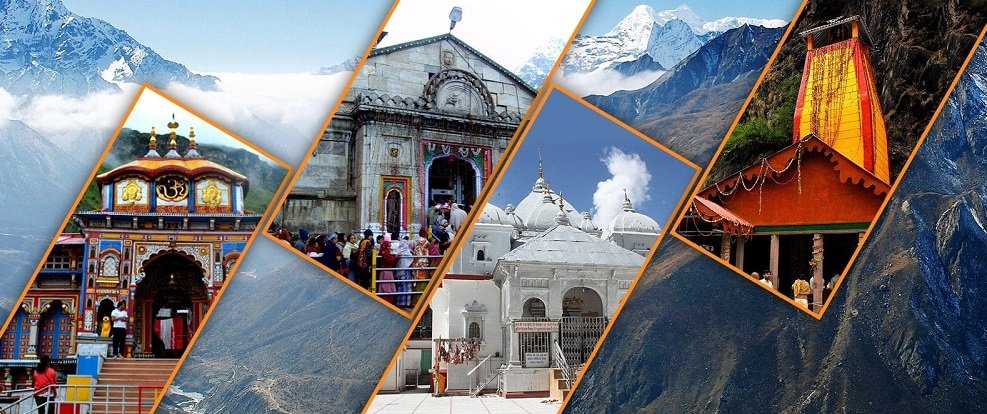
Yamunotri → Gangotri → Kedarnath → Badrinath

before returning to Dehradun.

Rather than spending most of the day driving between the four regions, the helicopter significantly reduces inter-destination travel time.

This leaves more time for darshan, rest and local arrangements.

However, travellers should remember that a helicopter package doesn't necessarily mean you'll be dropped directly at the entrance of every temple.

Local road transfers, walking or other applicable arrangements may still form part of the journey depending on the destination and operational setup.

That should be clearly understood before booking.


The Journey Usually Begins Before the First Flight

Many first-time travellers imagine arriving in Dehradun in the morning and immediately boarding a helicopter.

We prefer families to think differently.

Your pre-departure process matters.

Passenger details need to be correct.

Identification documents should be ready.

Luggage needs to comply with the applicable allowance.

Passenger weight information must be accurately provided where required.

Reporting and briefing instructions should be followed carefully.

This may sound like paperwork, but getting these details right before departure can prevent unnecessary confusion later.

When you're travelling with parents or a larger family, organise everyone's documents separately before leaving home.

It takes only a little preparation and makes the morning of departure much calmer.


Yamunotri – The First Dham

The helicopter journey brings you into the Yamunotri sector, after which the pilgrimage continues through the applicable ground and local arrangements.

This is an important point.

Helicopter Yatra does not mean zero walking or zero road travel.

The actual temple visit may still involve local transfers and physical movement.

If you're travelling with senior citizens, discuss this part of the itinerary carefully before booking.

Don't simply ask:

“Helicopter included hai?”

Ask:

“Landing ke baad temple tak ka complete process kya rahega?”

That question gives you much more useful information.


Gangotri – A Journey Beside the Bhagirathi

Gangotri has a peacefulness that many travellers don't expect.

Even when you're completing the journey by helicopter, try not to treat the temple as another box to tick on an itinerary.

Spend a little time observing your surroundings.

The Bhagirathi flows beside the sacred town, the mountains rise around you, and the atmosphere can feel remarkably calm.

Some of the best memories from a helicopter pilgrimage are not actually created in the air.

They're created during these quiet moments on the ground.


Kedarnath – The Moment Many Families Wait For

For a large number of pilgrims, Kedarnath is the emotional heart of the journey.

You may have seen hundreds of photographs.

You may have watched videos.

You may even know exactly what the temple looks like.

Still, the first time you actually stand there feels different.

We've spoken with families where elderly parents had wanted to visit Kedarnath for decades.

When they finally reached the temple, there was very little conversation.

Just folded hands.

A few tears.

And silence.

This is why we say that the helicopter is only transportation.

The real journey begins when you stand before the Dham.

Kedarnath helicopter movements and any shuttle arrangements remain subject to applicable weather, operational and aviation conditions. Travellers should therefore keep flexibility in their expectations.


Badrinath – Completing the Four Dhams

By the time you reach Badrinath, something has changed.

At Yamunotri, the pilgrimage was beginning.

At Gangotri, you were settling into the journey.

Kedarnath may have been deeply emotional.

Now Badrinath brings the feeling of completion.

For many families, offering prayers before Lord Badrinarayan marks the fulfilment of a dream that may have taken years to achieve.

Depending on the package, available time and local arrangements, travellers may also explore permitted nearby places before completing the journey.

And then comes the flight back towards Dehradun.

The journey may have lasted only a few days.

But the memories often last much longer.


Baggage – Pack Much Lighter Than You Would for a Road Trip

This is one of the most important practical differences between road and helicopter travel.

Don't pack for a helicopter pilgrimage the way you would pack for a ten-day family holiday by car.

Helicopter operations have specific baggage limitations, and these can depend on the operator and applicable rules.

Carry only essentials.

Your luggage should focus on things you will actually use:

  • Essential warm clothing
  • Comfortable footwear
  • Personal medicines
  • Required documents
  • Basic toiletries
  • Phone and charger
  • Other permitted essentials

Before departure, confirm the current baggage allowance directly from your booking documentation/operator instructions.

Do not rely on an old blog or somebody else's previous-year ticket.


Passenger Weight Information – Be Accurate

Helicopter operations are sensitive to weight and balance.

If passenger weights are requested during booking, provide accurate information.

Don't intentionally reduce someone's weight because you think it will make the booking easier.

The applicable operator may conduct weight verification, and additional conditions or charges may apply according to its current policy.

For a helicopter journey, accurate passenger information is part of safe and proper operational planning.


Weather Delays – Understand This Before You Pay

This deserves its own section because unrealistic expectations create many avoidable disputes.

Suppose your itinerary says:

8:00 AM – Departure.

That does not mean a helicopter can necessarily fly at exactly 8:00 AM regardless of the conditions outside.

In Himalayan aviation, weather and operational safety come first.

Clouds, visibility or other operational factors may affect schedules.

Flights can be delayed, rescheduled or otherwise affected according to prevailing conditions and applicable policies.

A genuine travel consultant should tell you this before booking.

We would rather have a traveller understand the possibility of a delay beforehand than discover it while standing at the helipad.


September Travellers Need Extra Flexibility

September can still experience the effects of the monsoon.

Even when the weather looks perfectly fine in Dehradun, conditions at another Himalayan location may be different.

That's the nature of mountain aviation.

If you're booking a September helicopter journey, don't arrange an extremely tight onward flight or important commitment immediately after your planned return without considering possible operational disruption.

A little buffer can save a lot of stress.


October Travellers Need to Think About Cold

By October, another consideration becomes increasingly important:

temperature.

Don't look at Dehradun's weather and assume the same clothing will work everywhere.

Higher Himalayan destinations can feel significantly colder, particularly during early mornings and evenings.

Senior citizens especially should carry appropriate layers without overpacking.

The objective is to travel light while still being prepared.


Is Helicopter Yatra “Luxury”?

It can certainly offer premium accommodation, organised transfers and a higher level of travel convenience depending on the selected package.

But we prefer not to define luxury only by expensive hotels.

For a 72-year-old father, luxury may mean avoiding eight hours in a car.

For a mother who has dreamed of Kedarnath for thirty years, luxury may mean having someone coordinate the journey so she doesn't have to worry about every transfer.

For a busy family, luxury may simply mean being able to complete the pilgrimage together despite limited time.

Real luxury is often comfort, time and peace of mind.


What Should You Ask Before Booking?

Before paying for a Char Dham helicopter package, understand exactly what you're purchasing.

Ask about the complete itinerary, hotels, meals, local transfers, baggage allowance, passenger weight rules, cancellation terms, weather-related procedures and what assistance is included at each destination.

Also ask one very important question:

“If weather affects the schedule, what happens next?”

Get the applicable terms in writing.

A beautiful brochure is useful.

Clear terms are more useful.


Why ABD Holidays Focuses on Pre-Travel Guidance

At ABD Holidays Pvt. Ltd., we've been working with Uttarakhand travellers since 2013. One thing we've learned is that many travel problems begin with unclear expectations.

That's why we believe travellers should understand the practical side of the journey before departure.

We would rather explain that weather can affect a flight than promise an impossible guarantee.

We would rather tell a family to pack lighter than watch them struggle with excess luggage.

And we would rather discuss an elderly traveller's comfort beforehand than simply recommend the most expensive package.

The Char Dham Yatra is too meaningful to be treated like an ordinary holiday booking.


Road or Helicopter – Which Would We Choose?

If you have enough time, enjoy mountain drives and want to experience Uttarakhand slowly, the road journey has something special that cannot be replaced.

If you're travelling with elderly parents, have limited time or want to reduce long-distance road travel, a helicopter package may be the more practical choice, provided you understand its operational realities.

Neither makes you a more devoted pilgrim.

The road and the helicopter are simply two ways of reaching the same sacred places.

Once you stand before Kedarnath with your hands folded, nobody asks how you arrived.

And perhaps that's the simplest way to choose.

Pick the journey that allows your family to experience the Char Dham with the greatest comfort, confidence and peace.


Package Planning – Hotels, Meals, Vehicles, Inclusions & How to Choose the Right Package

By the time most families start comparing Char Dham Yatra packages, they have already decided when they want to travel.

Then comes the difficult part.

One website shows a very low price.

Another promises a “deluxe” package.

Someone on WhatsApp offers the same itinerary for even less.

And suddenly the family has ten quotations open on their phones and no idea which one is actually better.

We see this every season.

The problem is that two Char Dham packages that look almost identical on paper can offer very different experiences once the journey begins.

A 9 Nights / 10 Days itinerary is not automatically the same everywhere.

The difference can be in the hotel location, room category, vehicle, meals, driver experience, inclusions, cancellation terms and—most importantly—the support you receive when something doesn't go according to plan.

So before choosing your September–October Char Dham Yatra 2026 package, don't compare only the final price.

Understand what you're actually paying for.


Start With Your Family, Not the Package Price

Before asking:

“Char Dham ka package kitne ka hai?”

Ask yourself a few simpler questions.

Who is travelling?

Are your parents coming?

Are there children in the group?

How many people will share one vehicle?

How much luggage will you carry?

Do you want budget hotels or more comfortable accommodation?

Would you prefer a completely private journey?

Are you comfortable with long driving days?

These answers determine what kind of package actually suits you.

A package that works perfectly for four friends in their twenties may be completely unsuitable for a family travelling with two elderly parents.

There is no single “best Char Dham package”.

There is only a package that is right for your family.


Choosing Hotels – Don't Judge by Photographs Alone

Hotel selection is one of the biggest differences between inexpensive and comfortable Char Dham packages.

When people book a normal city holiday, they often look for a swimming pool, fancy lobby or beautiful interiors.

During the Char Dham Yatra, priorities change.

After spending several hours travelling through mountain roads, most pilgrims want very simple things:

A clean room.

A comfortable bed.

Hot water.

Fresh food.

A clean washroom.

And a peaceful night's sleep.

That's what matters.


Location Can Matter More Than Luxury

A beautiful hotel located far away from your next day's route may not always be the best choice.

Imagine reaching your hotel after a long drive only to discover that the next morning you need another lengthy transfer before your pilgrimage even begins.

That additional travel can make the day unnecessarily tiring.

For families and senior citizens, we prefer looking at comfort + location + practical accessibility rather than simply selecting the hotel with the best photographs.

Ask where the hotel is actually located.

That question is more useful than asking whether it is called “Deluxe” or “Premium”.


September Hotel Planning

September can still carry some monsoon influence.

For this reason, practical hotel facilities matter.

When selecting accommodation, consider the actual location, approach road, basic comfort and the arrangements available at the property.

Don't assume that every destination will offer the same hotel standards as Haridwar or Dehradun.

You are travelling deeper into the Himalayas.

Expectations should be realistic.

A good pilgrimage hotel does not need to feel like a five-star resort.

It needs to give your family a comfortable place to rest before the next day's journey.


October Hotel Planning

October introduces another consideration:

cold weather.

The difference between afternoon and early-morning temperatures can be noticeable, particularly at higher elevations.

Before travelling, understand what facilities are available at your selected hotels.

Don't assume that every mountain property has the same heating arrangements as a luxury city hotel.

Ask questions before booking rather than discovering the answer after arrival.


Meals – Simple Food Is Often the Best Food

During the Char Dham Yatra, simple vegetarian food usually works best.

After spending hours on winding mountain roads, heavy meals aren't always a good idea.

Many pilgrimage packages include combinations such as breakfast and dinner, depending on the hotel and package selected.

But don't look only at the words “Meals Included.”

Ask what is actually included.

Breakfast only?

Breakfast and dinner?

Fixed menu?

Buffet where available?

What happens on an early departure day?

These small details help avoid confusion during the journey.


Don't Skip Breakfast to Save Time

This sounds like a small thing, but it matters.

Families sometimes leave extremely early because they want to “cover more”.

Then two hours later everyone is hungry, tired and searching for food.

If your itinerary requires an early departure, discuss breakfast arrangements with your hotel or tour coordinator beforehand.

Mountain travel is already physically demanding.

Your body needs energy.

The Yatra should not become an endurance test.


Choosing the Right Vehicle

This is another area where travellers sometimes try to save a little money and regret it halfway through the journey.

Remember:

You may spend many hours inside your vehicle over several days.

So choose accordingly.

Sedan

A sedan can suit couples or a small number of passengers travelling with limited luggage, depending on the route and current operating requirements.

Ertiga / Similar MPV

This can offer additional passenger and luggage flexibility for a small family.

Innova / Innova Crysta

Many families prefer an Innova-type vehicle for longer journeys because of the additional space and comfort.

Tempo Traveller

For larger families and groups, travelling together in a suitable Tempo Traveller can be much more convenient than dividing everyone between several cars.

Force Urbania

Groups looking for additional cabin comfort may consider an Urbania where it is appropriate for the route and group requirements.

The most expensive vehicle isn't automatically necessary.

But neither is the cheapest vehicle automatically the smartest choice.


The Driver Matters as Much as the Vehicle

A shiny vehicle makes a good first impression.

An experienced hill driver makes a good journey.

There is a difference.

Uttarakhand mountain driving requires patience.

The driver needs to understand the route, mountain conditions and the realities of travelling with families.

For a long Char Dham journey, your driver becomes an important part of the travel experience.

You may spend more time with your driver than with anyone working at your hotels.

So when comparing packages, don't ask only:

“Kaunsi gaadi milegi?”

Also ask about the travel company's arrangements for drivers familiar with Uttarakhand hill routes.


What Should a Char Dham Package Include?

Package inclusions vary, so there is no universal list.

A road package may include combinations of:

  • Private transportation according to itinerary
  • Accommodation
  • Selected meals
  • Pickup and drop
  • Driver-related charges as specified
  • Applicable parking/toll arrangements where mentioned
  • Travel coordination

Helicopter packages have a completely different structure and may include aviation sectors, accommodation, meals, ground transfers and other services according to the specific package.

Never assume something is included simply because another company included it.

Read your own quotation.


What May Not Be Included?

This is equally important.

Depending on the package, exclusions may include items such as personal expenses, additional sightseeing, services not mentioned in the itinerary, personal porter/pony/palki arrangements, certain local transportation, medical expenses or costs arising from circumstances outside the agreed package.

The exact exclusions should always be clearly stated in your quotation.

If something matters to you, ask about it before paying.

A two-minute conversation before booking can prevent a two-hour argument during the journey.


Why Package Prices Can Be Different

Travellers often send us two quotations and ask:

“Both are Char Dham 9 Nights / 10 Days. Why is one more expensive?”

There can be many reasons.

The hotels may be different.

The room category may be different.

One package may use a sedan while another uses an Innova.

Meals may differ.

One quotation may include certain transport charges that another excludes.

The number of passengers sharing the vehicle can also change the per-person cost considerably.

Even travel dates matter.

So don't compare:

₹X vs ₹Y.

Compare:

Hotel vs hotel.
Vehicle vs vehicle.
Meals vs meals.
Inclusions vs inclusions.
Exclusions vs exclusions.
Support vs support.

Only then are you comparing fairly.


Be Careful With “Everything Included”

Whenever you see the words:

“Everything Included”

ask what “everything” actually means.

Does it include every local transfer?

Does it include all meals?

Does it include personal services?

What happens if the itinerary changes because of conditions outside anyone's control?

Does the quoted package cover additional nights caused by unexpected disruption?

There may be perfectly reasonable exclusions.

The problem isn't having exclusions.

The problem is not knowing about them before booking.

Transparency matters.


Planning for Senior Citizens

When elderly parents are travelling, we recommend spending less time asking:

“How can we reduce one night?”

and more time asking:

“Where will they get enough rest?”

A slightly slower itinerary can make an enormous difference.

Choose comfortable hotels.

Select a vehicle with enough space.

Keep medicines easily accessible rather than buried inside the largest suitcase.

Don't make every morning a 4:00 AM departure unless the day's actual schedule requires it.

And don't add unnecessary sightseeing just because it is “on the way”.

Your parents have come for the Char Dham.

Help them enjoy the Char Dham.


Keep a Small Personal & Emergency Budget

Even if you've purchased a comprehensive package, carry a reasonable amount for personal and unexpected expenses.

You may want tea during the journey.

Someone may need medicine.

You may purchase prasad.

Children may want snacks.

You might decide to use an optional service that isn't part of your package.

These are ordinary travel expenses.

Having a small separate budget means you don't have to worry about every small purchase.


The Cheapest Package Can Become Expensive

We've seen this happen many times in travel.

A family saves money while booking.

Then during the journey they discover something they expected was not included.

They pay separately.

Then something else appears.

They pay again.

By the end of the journey, the “cheapest package” is no longer cheap.

This is why transparent pricing matters more than simply advertising the lowest number.

A good quotation should help you understand your expected travel cost—not hide it.


Don't Book Based Only on WhatsApp Messages

WhatsApp is convenient for communication.

But your final booking should have clear written details.

Before making payment, keep a copy of:

  • Final itinerary
  • Travel dates
  • Number of travellers
  • Hotel details/category as agreed
  • Meal plan
  • Vehicle category
  • Package inclusions
  • Package exclusions
  • Payment terms
  • Cancellation terms
  • Any special arrangements agreed upon

For helicopter travel, applicable aviation, weather, cancellation, baggage and weight-related conditions should also be understood.

Screenshots of a conversation are not a replacement for a clear booking document.


One Question That Can Save Your Journey

Before confirming any package, ask the travel company:

“If something changes during the journey, who do I call?”

This is especially important in Uttarakhand.

A mountain journey does not always behave like a city holiday.

Road conditions can change.

Weather can affect plans.

Operational restrictions can occur.

In those moments, having someone who understands your itinerary is far more valuable than receiving an automated message.


Why Local Experience Matters

At ABD Holidays Pvt. Ltd., we have been organising Uttarakhand journeys since 2013.

Over the years, we've learned that good travel planning is often about the small things.

Knowing that an elderly passenger needs more breaks.

Choosing a practical hotel instead of a beautiful but inconvenient one.

Suggesting a larger vehicle because the family has too much luggage.

Explaining weather limitations before the booking instead of after a disruption.

These details rarely appear in a package headline.

But they can decide whether a family remembers their pilgrimage as exhausting or unforgettable.


How We Suggest Comparing Two Packages

If you have two Char Dham quotations in front of you, don't immediately look at the bottom where the total price is written.

Start from the top.

Read the itinerary.

Then check the hotels.

Check the room sharing.

Check the vehicle.

Check meals.

Read every inclusion.

Read every exclusion.

Read the cancellation terms.

Understand what happens if travel conditions change.

And only then look at the final price.

You may still choose the cheaper package.

That's completely fine.

But now you'll be choosing it because it genuinely offers better value—not simply because the number is smaller.


A Good Char Dham Package Should Give You Peace of Mind

You shouldn't spend your pilgrimage constantly calling hotels.

You shouldn't have to negotiate with a new driver every morning.

You shouldn't discover important exclusions halfway through the journey.

And you shouldn't feel confused about whom to contact when you need help.

The purpose of booking a properly organised package is simple:

to reduce the travel worries so that your family can concentrate on the pilgrimage.

Because when you finally reach Kedarnath, you shouldn't be thinking about hotel vouchers.

When you're standing beside the Bhagirathi at Gangotri, you shouldn't be calculating transport charges.

And when your family completes Badrinath Darshan, the conversation should be:

“We completed our Char Dham Yatra.”

FAQs, Final Booking Guide & Practical Advice Before You Leave

By the time a family reaches the final stage of planning a September–October Char Dham Yatra, most of the big decisions have already been made.

The dates are nearly final.

The family group is ready.

Road or helicopter has probably been discussed several times.

Then the smaller questions begin.

“September mein rain ka problem hoga?”

“October mein Kedarnath bahut cold hoga?”

“Parents ko lekar jaana comfortable rahega?”

“Registration kaise hoga?”

“Kitne warm clothes lekar chalein?”

These are not small questions when you're taking your parents or family into the Himalayas.

After helping Uttarakhand travellers since 2013, our experience is that a little clarity before departure can remove a lot of unnecessary worry during the journey.

Here are the questions families most often ask us.


Before You Book – A Simple Final Checklist

Before paying for your September–October Char Dham Yatra 2026, make sure you know exactly what has been agreed.

Check your travel dates, passenger names, itinerary, hotel category, room-sharing arrangement, meal plan, vehicle category, inclusions, exclusions, payment schedule and cancellation terms.

For helicopter packages, additionally understand the applicable baggage, passenger-weight, weather-delay, cancellation and operational conditions.

And keep the final details in writing.

Clear communication before the journey prevents confusion during the journey.


Internal Links to Add on This Landing Page

Don't add a block containing twenty keyword-rich links.

Use relevant links where they genuinely help the traveller.

For example, when discussing road travel, link naturally to your Char Dham Yatra by Road page.

When explaining aerial options, link to Char Dham Yatra by Helicopter.

In the packing section, link to your Char Dham Yatra Packing Checklist 2027 only where it makes contextual sense for readers planning ahead.

Other useful supporting pages include Haridwar Taxi Service, Dehradun Airport Taxi Service, Kedarnath travel guidance, Badrinath travel guidance, About Us and Contact Us.

At the bottom, you can add a small Related Char Dham Guides section rather than repeating the same links throughout the page.


Why Plan Your Journey with ABD Holidays?

A Char Dham package is easy to describe on paper.

Hotels.

Vehicle.

Meals.

Four temples.

But real mountain travel is rarely just a list of services.

A parent may need an extra rest stop.

A family may realise their original vehicle is too small for their luggage.

Weather may require patience.

A first-time traveller may simply need someone to explain what happens the next morning.

These are the moments when experience matters.

ABD Holidays Pvt. Ltd. has been serving Uttarakhand travellers since 2013, and our approach is simple: understand the family first, then plan the journey.

We arrange Char Dham road journeys, helicopter packages, private taxis, group transportation, hotels and customised Uttarakhand tours, with planning based on the actual requirements of the travellers.


The Last Evening of the Yatra

There is a moment near the end of almost every Char Dham journey that doesn't appear in any itinerary.

The family is sitting together after dinner.

Someone opens the phone gallery.

Suddenly everyone starts talking.

“Yamunotri wala photo dikhao.”

Someone remembers the drive to Gangotri.

Someone talks about the first sight of Kedarnath.

Someone else says Badrinath was their favourite.

And the parents are usually sitting quietly, smiling.

Ten days earlier, the family was worried about hotels, roads, weather and luggage.

Now none of those things seem particularly important.

They completed the journey together.

That's the part of the Char Dham Yatra no package brochure can sell.

And that's why we believe good travel planning should do one thing above everything else:

take care of the practical details so your family has space to experience the pilgrimage itself.


Plan Your September–October Char Dham Yatra 2026

If you're planning to visit Yamunotri, Gangotri, Kedarnath and Badrinath during September or October 2026, choose your dates carefully, keep mountain conditions in mind and build an itinerary around the people travelling with you.

Whether you choose the traditional road journey or a helicopter-based itinerary, don't rush the decision.

Ask questions.

Read the inclusions.

Understand the conditions.

And choose the journey that allows your family to travel with confidence.

ABD Holidays Pvt. Ltd. can assist with customised Char Dham packages from Haridwar and Dehradun, including road journeys, helicopter options, accommodation and transportation.

Call / WhatsApp: +91-7535869999
Email: info@abdholidays.com

Haridwar, Uttarakhand

Your Char Dham journey begins with a booking—but the memories begin once the mountains appear.

Questions About September–October Char Dham Yatra

1. Is September a good time for Char Dham Yatra 2026?

September can be a beautiful time to travel, particularly as the monsoon begins to withdraw and the mountains remain green.
However, rainfall and changing mountain conditions may still affect some travel dates, especially earlier in the month.

Don't assume that September automatically means perfect weather. Check current weather forecasts, road conditions and official advisories shortly before departure.

2. Is October good for Char Dham Yatra?

October can offer a wonderful Himalayan pilgrimage experience.

The weather becomes cooler and travellers may experience clearer autumn days, although conditions can vary.

As the month progresses, temperatures at higher-altitude destinations become increasingly cold.

If you're planning October travel, pack accordingly and confirm the applicable temple schedules for your dates.

3. September or October – which is better?

There is no single winner.

Choose September if you enjoy greener post-monsoon landscapes and can keep some flexibility for changing weather.

Choose October if you prefer cooler autumn conditions and are comfortable travelling in colder temperatures.

For senior citizens, health and comfort should influence the decision more than the month itself.

4. Will the Char Dham temples remain open throughout October 2026?

The temples close for winter according to their respective traditions and officially announced schedules.

If you're planning a later-season journey, verify the official 2026 closing dates before confirming your travel arrangements.

Never rely on an old year's closing dates.

5. Is September safe for Char Dham Yatra?

Safety cannot be decided simply by the month written on the calendar.

Mountain conditions can change.

Travellers should follow official weather, road and local administration advisories for their actual dates and should never continue on a route that authorities have advised against using.

6. Can senior citizens travel in September or October?

Many senior citizens undertake the Char Dham Yatra during the season, but suitability depends on individual health, mobility, altitude tolerance and the itinerary.

If your parents have medical concerns, obtain appropriate medical advice before departure.

A slower itinerary with proper rest can often be more valuable than trying to save one or two days.

7. Is Char Dham by helicopter better for senior citizens?

It can reduce long road journeys and may therefore be convenient for some elderly travellers.

However, helicopter travel does not remove every physical aspect of the pilgrimage. Ground transfers and some walking or local movement may still be required.

Helicopter operations are also subject to weather, visibility, aviation requirements and operational conditions.

8. How many days are enough for Char Dham by road?

For families starting and ending in Haridwar, a 9 Nights / 10 Days itinerary can provide a practical framework for the complete road pilgrimage.

The exact duration should still be chosen according to the travellers and current route conditions rather than trying to complete the Yatra in the fewest possible days.

9. From where should we start the road journey?

Haridwar is one of the most convenient starting points for a traditional Char Dham road journey.

Travellers arriving by air can also plan their journey from the Dehradun region depending on their itinerary.

10. What is the traditional Char Dham sequence?

The commonly followed sequence is:

Yamunotri → Gangotri → Kedarnath → Badrinath.

For a Haridwar-based road itinerary, the journey is planned around this sequence before returning towards Haridwar.

11. Which vehicle is best for a family?

That depends on passenger count and luggage.

A small family may be comfortable in a suitable sedan or MPV, while many families prefer the additional space of an Innova or Innova Crysta for a longer mountain journey.

Larger groups can consider a Tempo Traveller or Force Urbania where suitable.

Don't choose only by price.

Think about how comfortable the vehicle will feel after several days on the road.

12. What kind of hotels should we book?

For a pilgrimage, practical comfort matters more than fancy interiors.

Look for:

Clean rooms
Comfortable beds
Clean washrooms
Hot-water arrangements
Suitable meals
Practical location
Easy accessibility for elderly travellers

At some remote destinations, hotel standards and facilities may be different from major cities.

Keep expectations realistic.

13. What clothes should we carry in September?

Pack in layers.

Carry comfortable everyday clothing along with warm layers and suitable rain protection.

Weather can vary considerably between Haridwar and higher Himalayan destinations, so don't pack according to the temperature at your starting city alone.

14. What should we carry in October?

October requires greater attention to cold-weather clothing.

A warm jacket, thermal/layered clothing where appropriate, woollen cap, socks and comfortable footwear can be useful.

The later you travel into autumn, the more important cold-weather preparation becomes.

15. Do we need rain protection?

Yes, particularly for September travel.

A lightweight raincoat or poncho is much easier to manage than discovering halfway through the journey that nobody packed one.

16. What medicines should we carry?

Carry all personal prescription medicines in sufficient quantity, along with the prescription where appropriate.

Keep important medicines in an easily accessible day bag rather than inside luggage buried beneath everything else.

For specific medical concerns, follow your doctor's advice.

17. Is Char Dham registration required?

Travellers should follow the official registration requirements applicable to the 2026 season.

Because procedures can change, verify the current government instructions rather than relying on an old screenshot or previous year's guide.

18. Which documents should we carry?

Keep the identity documents and travel/registration documents required under the applicable rules.

It is also sensible to keep both physical and digital copies of important booking documents and emergency contact information.

19. Can we book hotels ourselves and take only a taxi?

Yes.

Some travellers prefer arranging their own accommodation and booking only transportation.

Others prefer one package covering hotels, vehicle and selected meals.

Neither approach is automatically better. Choose whichever gives your family greater confidence and convenience.

20. Can we customize the Char Dham itinerary?

A private road journey generally allows greater flexibility than a fixed group departure, subject to route conditions, local regulations and realistic driving times.

If you're travelling with elderly parents, customising the pace can be particularly useful.

21. Can we visit Kedarnath by helicopter during a road package?

Depending on the services operating for your dates, availability and applicable rules, travellers may consider helicopter services for the Kedarnath sector while completing other parts of the journey by road.

Do not treat helicopter availability as guaranteed until properly confirmed under the applicable booking system.

22. What happens if helicopter flights are delayed?

Weather, visibility, aviation requirements and operational conditions can affect Himalayan helicopter operations.

Before paying, understand the operator/package's applicable delay, cancellation, rescheduling and refund terms in writing.

This is one of the most important questions to ask when comparing helicopter packages.

23. How much luggage can we carry on a helicopter package?

Baggage limits are governed by the applicable operator and operational policy.

Always follow the allowance communicated for your specific booking.

Don't use a baggage figure copied from an older travel blog, because rules can change.

24. Is passenger weight important for helicopter bookings?

Yes.

Passenger weight can be relevant to helicopter weight-and-balance requirements.

Provide accurate information whenever it is requested and follow the operator's current policy regarding verification and any applicable conditions.

25. Should we book the cheapest package available?

Not without comparing what is included.

Two quotations with the same number of nights can contain completely different hotels, vehicles, meal plans, room categories and exclusions.

Compare the actual services, not just the number at the bottom of the quotation.

26. How early should we book?

Once your dates and family plan are reasonably firm, early planning generally gives you more choice in hotels, vehicles and package arrangements.

For helicopter travel, availability and applicable booking procedures also need to be considered.

27. Can children complete the Char Dham Yatra?

Families do travel with children, but the itinerary should be planned according to the child's age, health and ability to handle long journeys and changing temperatures.

Carry warm clothes, snacks, water and any necessary medicines.

28. Should we keep an extra day?

Where your schedule allows, some flexibility can be valuable during a Himalayan journey.

This becomes particularly relevant when your travel depends on weather-sensitive services or when you have an important onward flight immediately after the pilgrimage.

29. Is September–October cheaper than May–June?

Prices can vary according to dates, demand, hotel category, vehicle, group size and the services included.

Don't select September or October only because you expect a cheaper package.

Choose the season because it suits your family and then compare transparent quotations for those dates.

30. What is the biggest mistake first-time pilgrims make?

Trying to do too much too quickly.

The Char Dham Yatra isn't a race.

A tightly packed itinerary may look impressive on paper but can become exhausting after several days of mountain travel.

Give your family time to rest.

You'll enjoy the pilgrimage much more.

Do Dham Yatra package comparison — Budget at ₹23,000 per person and Premium at ₹35,000 per person

Popular Routes

ABD Holidays website footer with contact information, navigation links, and social media

ABD Holidays