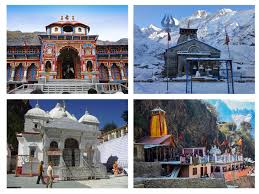
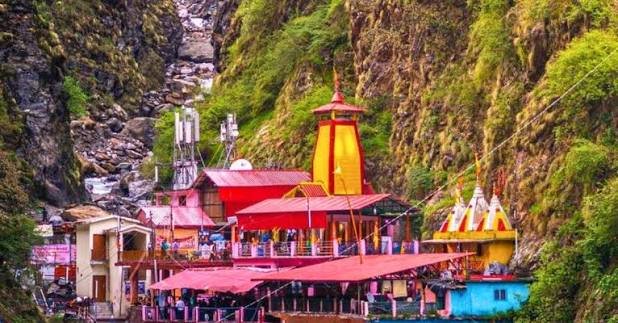
Complete Char Dham Yatra Guide (2027–2030)
Part 1: A Journey That Begins Long Before You Reach the Himalayas
There are some journeys that people plan for months.
Then there are journeys that people carry in their hearts for years.
The Char Dham Yatra belongs to the second kind.
For many families, visiting Yamunotri, Gangotri, Kedarnath, and Badrinath is not simply another holiday on the calendar. It is a dream that often begins with a quiet promise.
A father wishes to take his parents to Kedarnath after retirement.
A couple decides that after years of work, it's finally time to seek blessings together.
Children plan the pilgrimage as a gift for their ageing parents.
Many devotees silently tell themselves,
"One day, I will complete the Char Dham Yatra."
When that day finally arrives, the journey becomes much more than travelling through the Himalayas.
It becomes deeply personal.
More Than Four Temples
People often describe the Char Dham Yatra as a pilgrimage to four sacred temples.
That is certainly true.
But anyone who has completed this journey will tell you something different.
The real beauty of the Char Dham Yatra lies in everything that happens between the temples.
It begins with the peaceful evening Ganga Aarti at Har Ki Pauri in Haridwar.
It continues as you watch the Bhagirathi and Alaknanda rivers merge at Devprayag, creating the holy River Ganga.
It grows stronger while driving through the valleys of Rudraprayag, Karnaprayag, and Joshimath, where every mountain seems to have its own story.
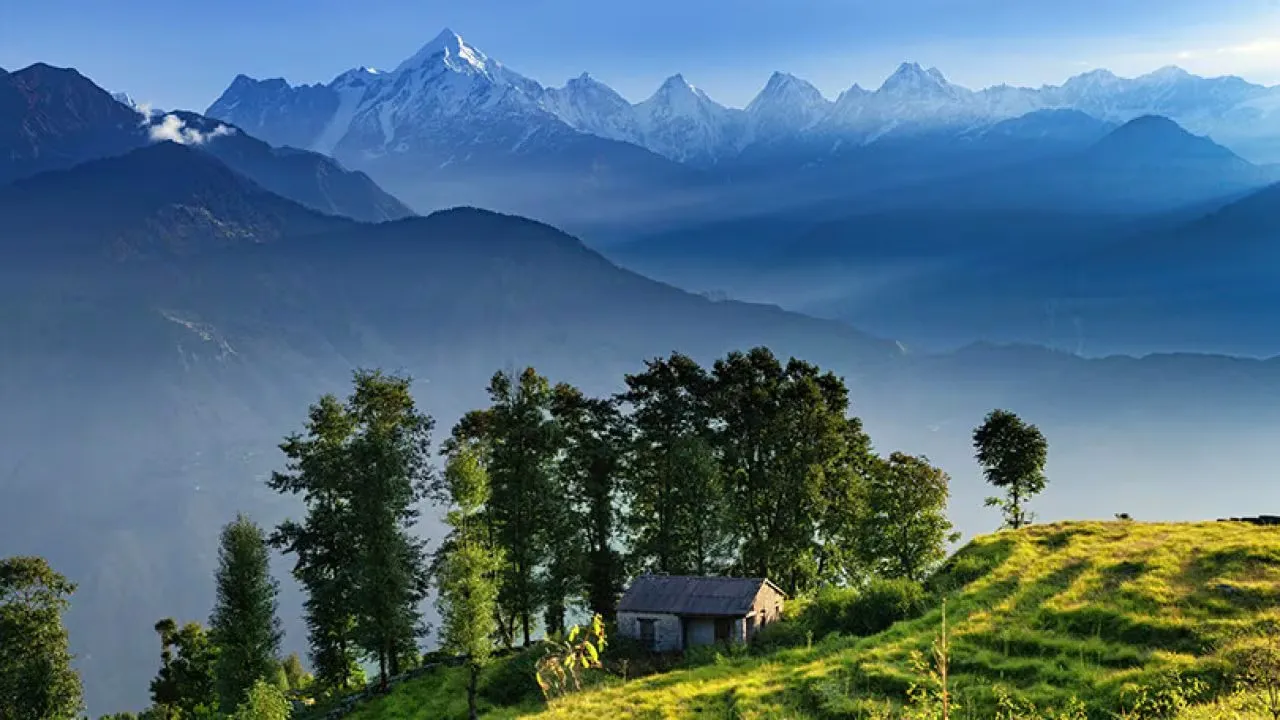
Then comes the unforgettable moment when the snow-covered peaks appear in the distance.
Without saying a word, everyone inside the vehicle quietly looks outside.
Those are the moments that photographs can never fully capture.
Every Pilgrim Has a Different Reason
After helping pilgrims travel across Uttarakhand since 2013, we've realised something beautiful.
No two travellers begin this journey for the same reason.
Some come seeking peace after a difficult year.
Some pray for good health.
Some travel to fulfil a family tradition that has continued for generations.
Others simply want to experience the spiritual energy that people have spoken about for centuries.
Whatever the reason may be, every pilgrim carries a story.
And somewhere along the Char Dham route, that story becomes part of the mountains.
Why Haridwar Is the Perfect Beginning
For most travellers, the Char Dham Yatra begins in Haridwar.
Many people arrive one day before the journey starts.
Some visit Har Ki Pauri to attend the evening Ganga Aarti.
Others spend time walking along the ghats, watching devotees offer prayers to the holy river.
There is no hurry here.
Many experienced pilgrims believe beginning the journey with a peaceful evening in Haridwar helps prepare both the mind and heart for the days ahead.
It is a simple tradition.
But one that many travellers remember long after returning home.
The Himalayas Teach Patience
Modern life teaches us to move quickly.
Finish one task.
Start another.
Keep moving.
The Himalayas have a different lesson.
They teach patience.
Roads wind slowly through the mountains.
Weather changes without warning.
Sometimes a journey pauses because clouds cover the valley.
At first, travellers become impatient.
Then something changes.
They begin noticing the rivers.
The forests.
The temple bells from distant villages.
The quiet conversations shared over a cup of tea.
Without realising it, the journey itself becomes part of the pilgrimage.
Planning Makes the Journey Easier
Every Char Dham season, we meet travellers who say,
"I wish someone had explained this before we started."
Usually, they are not talking about the temples.
They are talking about planning.
Questions like:
- Should we travel by road or helicopter?
- Which month is best?
- How many days do we need?
- What kind of hotels should we choose?
- Can senior citizens travel comfortably?
- What should we pack?
- How much should we budget?
These are practical questions.
And answering them before your journey begins makes the entire pilgrimage much more enjoyable.
Our Experience Since 2013
At ABD Holidays Pvt. Ltd., we've been helping pilgrims explore Uttarakhand since 2013.
During these years, we've organised journeys for:
- Families travelling together for the first time.
- Senior citizens fulfilling lifelong dreams.
- Solo travellers seeking spiritual peace.
- NRIs visiting India after many years.
- Large pilgrimage groups.
- Corporate travellers with limited time.
Every journey has taught us something new.
The biggest lesson?
A successful Char Dham Yatra isn't created by expensive hotels or luxury vehicles.
It is created through careful planning, honest guidance, local knowledge, and genuine support throughout the journey.
That is exactly what this guide is designed to provide.
What You'll Learn in This Complete Guide
This isn't simply another travel blog.
It is a practical guide created from years of real experience.
In the following chapters, you'll discover:
- The spiritual significance of each Dham.
- Best time to visit between 2027 and 2030.
- Road vs Helicopter comparison.
- Complete travel costs.
- Registration process.
- Packing checklist.
- Senior citizen travel advice.
- Common mistakes to avoid.
- Route maps and travel planning.
- Hotel and transportation guidance.
- Frequently Asked Questions.
Our aim isn't just to help you reach the temples.
Our aim is to help you enjoy every moment of the journey.
Because years from now, you may not remember every hotel you stayed in or every kilometre you travelled.
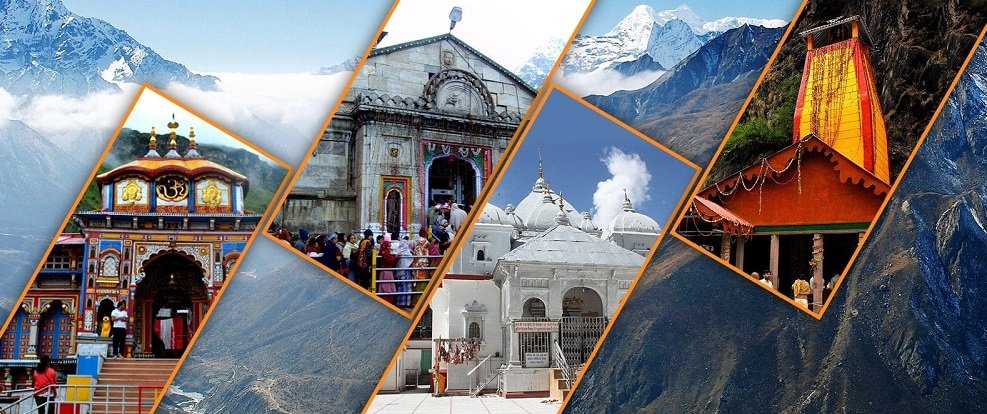
But you'll always remember the first glimpse of Kedarnath Temple, the peaceful atmosphere of Gangotri, the sacred waters of Yamunotri, and the divine serenity of Badrinath.
Those moments become memories that stay with you for a lifetime.
The Spiritual Significance of Yamunotri, Gangotri, Kedarnath & Badrinath
Many people believe the Char Dham Yatra is simply a journey to four famous temples.
But once you begin travelling through the Himalayas, you realise something much deeper.
Every destination has its own story.
Every river carries centuries of faith.
Every mountain has witnessed generations of pilgrims walking these sacred paths long before modern roads existed.
The Char Dham Yatra isn't about visiting four temples as quickly as possible.
It is about understanding why these places continue to inspire millions of devotees every year.
At ABD Holidays Pvt. Ltd., we've had the privilege of helping pilgrims explore these sacred shrines since 2013. One thing we've noticed is that travellers who understand the history and spiritual importance of each Dham often experience the journey in a much more meaningful way.
Instead of simply taking photographs and moving to the next destination, they spend time appreciating the stories, traditions, and peaceful atmosphere that make every temple unique.
Let's begin where the Char Dham Yatra traditionally starts.
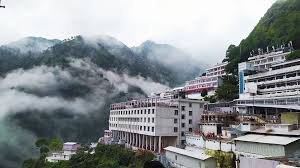
Yamunotri – Where the Sacred Journey Begins
For most pilgrims, Yamunotri marks the beginning of the Char Dham Yatra.
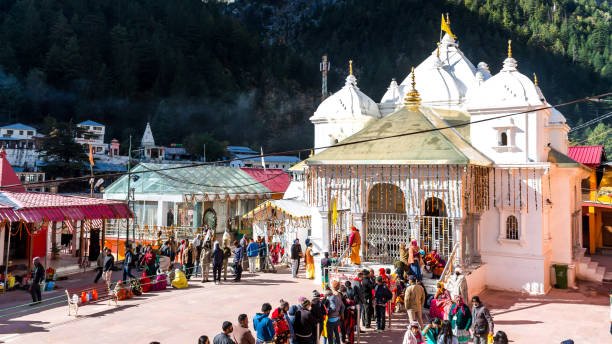
Dedicated to Goddess Yamuna, this holy shrine is surrounded by towering mountains, dense forests, and the peaceful sounds of flowing streams.
Reaching Yamunotri requires both determination and devotion. The final stretch is completed on foot or with the help of pony, palki, or other locally available services, depending on a pilgrim's comfort and physical ability.
Many devotees say that the walk towards Yamunotri becomes a journey of self-reflection.
Every step reminds you that faith often requires patience.
One of the most memorable experiences here is visiting the Surya Kund, a natural hot water spring where devotees traditionally cook rice and potatoes as a sacred offering before entering the temple.
Standing near the temple with snow-covered mountains all around creates a feeling that words rarely describe.
For many travellers, this is the moment they truly realise that their Char Dham pilgrimage has begun.
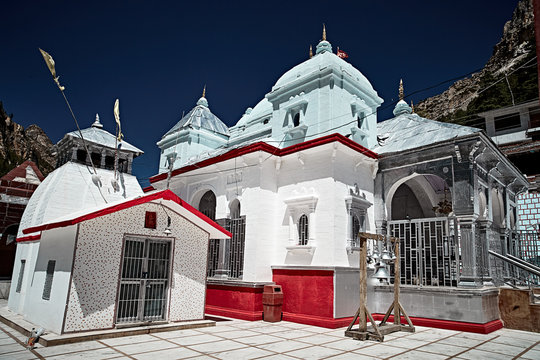
Gangotri – The Sacred Home of Mother Ganga
From Yamunotri, the journey continues towards Gangotri, one of the most spiritually significant places in India.
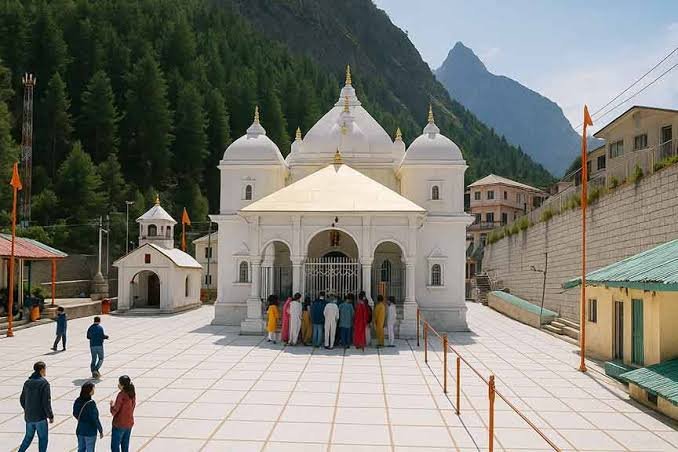
The temple is dedicated to Goddess Ganga, whose waters are worshipped by millions of people across the country.
Although the actual source of the river lies further ahead at Gaumukh Glacier, Gangotri has remained a place of devotion for centuries.
The sound of the Bhagirathi River flowing beside the temple creates an atmosphere unlike anywhere else.
Many pilgrims choose to sit quietly near the river for a few minutes after offering prayers.
There is no rush.
No noise.
Only the sound of flowing water and the cool mountain air.
It's often in these quiet moments that people feel the deepest sense of peace.
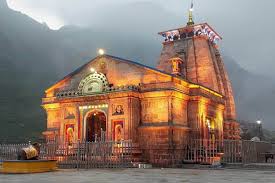
Kedarnath – The Temple That Touches Every Heart
If you ask pilgrims which destination leaves the strongest emotional impression, many will answer without hesitation.
Kedarnath.
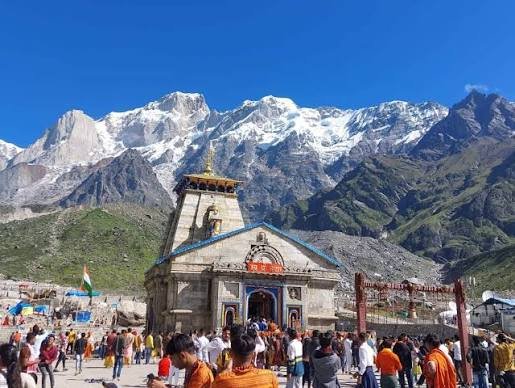
Situated among the majestic Himalayan peaks, this ancient temple dedicated to Lord Shiva has inspired devotees for centuries.
Reaching Kedarnath itself becomes part of the spiritual experience.
Some pilgrims complete the traditional trek.
Others choose helicopter services.
Many senior citizens fulfil their lifelong dream through carefully planned helicopter packages.
Yet regardless of how you arrive, the feeling remains the same.
Standing before the ancient stone temple, surrounded by towering mountains and fresh Himalayan air, many devotees become emotional without even realising it.
We've seen families stand together in silence.
We've seen elderly pilgrims fold their hands with tears in their eyes.
These are moments that cannot be recreated anywhere else.
Perhaps that is why Kedarnath holds such a special place in the hearts of millions.
Badrinath – The Final Blessing
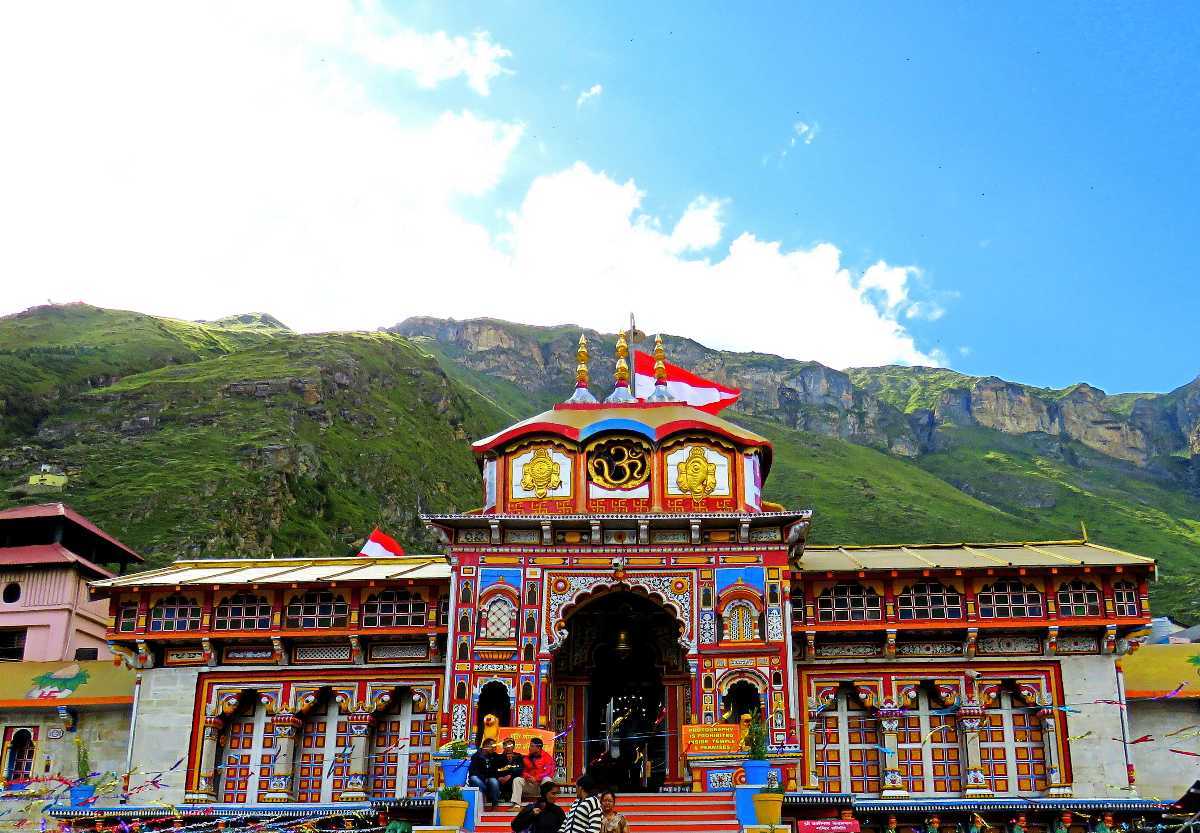
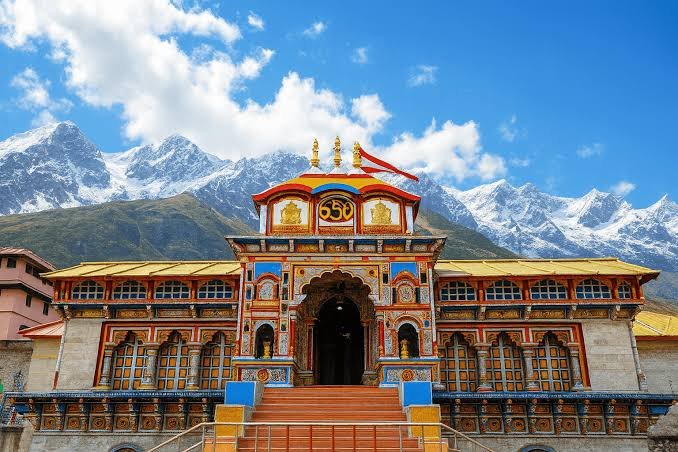
The last destination of the Char Dham Yatra is Badrinath, dedicated to Lord Vishnu.
Located beside the Alaknanda River and surrounded by magnificent mountain peaks, Badrinath offers a peaceful conclusion to the pilgrimage.
Before entering the temple, many pilgrims take blessings at Tapt Kund, the natural hot water spring located nearby.
The atmosphere around Badrinath feels different.
There is a quiet sense of fulfilment.
By this stage, travellers have completed hundreds of kilometres through the Himalayas.
They've crossed mountain passes.
They've prayed at four sacred shrines.
They've shared unforgettable moments with family and fellow pilgrims.
Standing before Lord Badrinarayan often feels like the perfect ending to a journey that began many days earlier in Haridwar.
Four Temples, One Spiritual Journey
Although each temple has its own history, traditions, and significance, together they create one complete pilgrimage.
Yamunotri teaches determination.
Gangotri inspires purity.
Kedarnath reminds us of faith and devotion.
Badrinath brings peace and gratitude.
This is why pilgrims don't simply say,
"We visited four temples."
Instead, they say,
"We completed the Char Dham Yatra."
Because by the end of the journey, the four destinations no longer feel separate.
They become four chapters of one unforgettable spiritual experience.
Our Experience Since 2013
After helping thousands of pilgrims travel across Uttarakhand, we've learned something very simple.
The people who enjoy the Char Dham Yatra the most aren't always those who travel in luxury.
They're the ones who take time to understand where they are.
Who pause beside the rivers.
Who listen to local stories.
Who appreciate the mountains.
Who travel with patience rather than hurry.
When you understand the spiritual importance of each Dham, the journey becomes much more than sightseeing.
It becomes a pilgrimage in the truest sense.
What Comes Next?
Now that you understand the spiritual significance of the four sacred shrines, the next step is learning how to plan your journey.
Choosing the right season can make a huge difference to your overall experience.
Weather, road conditions, crowd levels, accommodation availability, and travel comfort all change throughout the pilgrimage season.
In the next chapter, we'll help you understand exactly when to travel between 2027 and 2030, which months are best for families and senior citizens, and how to choose the perfect time for your Char Dham Yatra.
Best Time to Visit Char Dham (2027–2030) – When Should You Plan Your Journey?
One of the questions we hear almost every day is:
"Which is the best month for the Char Dham Yatra?"
It sounds like a simple question.
But after helping pilgrims travel across Uttarakhand since 2013, we've realised there isn't one perfect answer for everyone.
Some families enjoy travelling when the weather is pleasant and the valleys are filled with greenery.
Others prefer quieter routes with fewer crowds.
Senior citizens often look for comfortable weather and smoother travel conditions, while photographers dream of crystal-clear Himalayan views.
The truth is, the best time to visit Char Dham depends on what kind of experience you're looking for.
Understanding the different travel seasons will help you choose the right time for your family and make your pilgrimage far more comfortable.
Char Dham Yatra Season
Every year, the Char Dham temples open during the summer and remain accessible until autumn, before closing for the winter because of heavy snowfall.
Although the exact opening and closing dates are announced every year according to the Hindu calendar, the main pilgrimage season generally falls between April/May and October/November.
Each month offers a different experience.
April & May – The Beginning of the Pilgrimage
The opening of the Char Dham season is always filled with excitement.
Devotees from across India eagerly wait for the temple doors to open after the winter break.
The atmosphere during this period is truly special.
Fresh mountain air, snow-covered peaks, and the joy of the first pilgrims create unforgettable memories.
However, this is also one of the busiest times of the year.
Travellers planning to visit during this period should book their hotels, vehicles, and helicopter packages well in advance.
June – Peak Pilgrimage Season
June is one of the most popular months for families.
Schools are closed for summer holidays, making it easier for everyone to travel together.
Road conditions are generally favourable, and most tourist facilities operate at full capacity.
Because of high demand, accommodation and transportation availability may become limited.
Planning early helps travellers secure their preferred travel dates and comfortable hotel options.
July & August – The Monsoon Months
The Himalayas look incredibly beautiful during the monsoon.
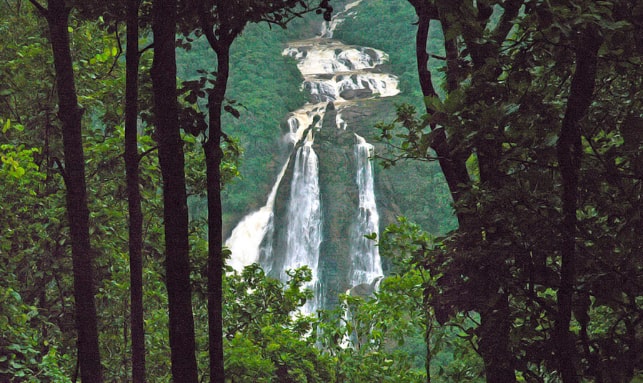
Waterfalls become more spectacular.
The valleys turn deep green.
Rivers flow with renewed energy.
Yet, mountain weather during this period can also be unpredictable.
Heavy rainfall may occasionally affect road conditions or travel schedules.
For this reason, many pilgrims prefer to avoid these months unless they are comfortable with flexible travel plans.
If you choose to travel during the monsoon, always stay updated with weather forecasts and follow official travel advisories.
September – A Favourite Among Experienced Travellers
Ask experienced Char Dham travellers about their favourite month, and many will mention September.
The monsoon gradually comes to an end.
The mountains appear freshly washed by the rains.
The skies often become clearer, offering spectacular Himalayan views.
Road conditions usually improve, and compared with the peak summer season, many travellers find the routes more relaxed.
For families, photographers, and pilgrims seeking a peaceful experience, September is often considered one of the most enjoyable months to visit.
October – Peaceful and Pleasant
October brings cool weather and clear mountain scenery.
The number of pilgrims gradually decreases, allowing visitors to spend more time at the temples without feeling rushed.
Morning and evening temperatures become cooler, so warm clothing becomes increasingly important.
Many travellers appreciate the peaceful atmosphere during this period.
If you're looking for a quieter pilgrimage before the temples close for winter, October is an excellent choice.
Which Season Is Best for Senior Citizens?
Many families ask us this question because they want elderly parents to travel comfortably.
From our experience, senior citizens generally enjoy the journey more when:
- The itinerary is relaxed.
- Comfortable hotels are selected.
- Long driving hours are minimised.
- Regular rest breaks are included.
- Weather conditions are pleasant.
Some families choose a road package with additional overnight stays.
Others prefer helicopter packages to reduce travel time.
The right choice depends on health, comfort, and personal preference rather than age alone.
Road Journey or Helicopter – Does the Season Matter?
Yes, it does.
For road travellers, weather and road conditions play a significant role in the overall experience.
For helicopter travellers, weather conditions can occasionally influence flight schedules.
Regardless of your travel style, keeping some flexibility in your itinerary is always a good idea.
Mountain weather follows its own rhythm, and respecting nature is part of travelling through the Himalayas.
Why Booking Early Is Always a Good Idea
One thing we've consistently observed over the years is that travellers who plan early enjoy a much smoother experience.
Booking in advance usually offers:
- Better hotel choices.
- More vehicle availability.
- Greater flexibility in travel dates.
- Easier planning for families.
- Less last-minute stress.
Whether you're travelling by road or helicopter, early planning gives you more options and more confidence.
A Small Piece of Advice from Our Team
People often ask us,
"Which month would you choose?"
Instead of giving the same answer to everyone, we ask a few questions.
Are you travelling with elderly parents?
Do you enjoy photography?
Is this your first visit?
Do you prefer quieter routes?
How much time do you have?
Because the best month isn't the same for every traveller.
The best month is the one that suits your family, your schedule, and your expectations.
The Journey Is More Important Than the Calendar
Every Char Dham season has its own beauty.
Some people remember the fresh snow they saw in early summer.
Others remember the peaceful valleys after the monsoon.
Some cherish the cool autumn mornings outside Kedarnath Temple.
No matter when you travel, one thing remains unchanged.
The mountains welcome every pilgrim with the same peace.
The rivers continue to flow.
The temple bells continue to ring.
And every journey becomes a memory that lasts far longer than the travel dates written on your itinerary.
Char Dham Yatra Registration, Documents & Travel Preparation (2027–2030)
There is a saying in Uttarakhand:
"A successful pilgrimage begins before you leave home."
After helping pilgrims travel across the Himalayas since 2013, we've found this to be absolutely true.
Many first-time travellers spend weeks choosing hotels and comparing tour packages, but they often overlook the small preparations that make the biggest difference.
We've seen families forget important identity documents.
We've met pilgrims who packed heavy suitcases only to struggle throughout the journey.
Some travellers arrived without warm clothes because they assumed summer weather would be the same in the mountains.
Fortunately, these mistakes are easy to avoid.
With a little planning before your departure, your Char Dham Yatra becomes smoother, safer, and much more enjoyable.
Registration – Your First Step Before the Journey
Before beginning the Char Dham Yatra, pilgrims should always complete the official registration process required for the current travel season.
Registration helps the authorities manage pilgrim movement, improve safety, and provide assistance whenever required.
Government procedures may change from season to season, so we always recommend checking the latest official guidelines before travelling.
If you're booking your pilgrimage through ABD Holidays Pvt. Ltd., our team guides travellers through the latest registration requirements and helps ensure all essential formalities are completed before departure.
Starting your journey with the required documents already in place saves valuable time and avoids unnecessary stress.
Essential Documents to Carry
Many travellers ask us,
"What documents should we keep with us?"
Our advice is simple.
Carry originals whenever required and also keep digital copies safely stored on your mobile phone.
A small waterproof document folder can also be very useful during mountain travel.
We recommend carrying:
- Government-issued Photo ID (Aadhaar Card, Passport, Driving Licence, or Voter ID)
- Official Yatra Registration (if applicable for the season)
- Hotel Booking Confirmations
- Transportation or Tour Booking Details
- Emergency Contact Numbers
- Personal Medical Prescriptions
- Health Insurance or Travel Insurance (if available)
- Passport and Visa (for international travellers)
Keeping all important documents together makes the journey much more organised.
Medical Preparation Before Travelling
One question we hear every season is:
"Can my parents complete the Char Dham Yatra?"
In many cases, the answer is yes.
However, every traveller's health condition is different.
If you have:
- Heart-related conditions
- Asthma or breathing difficulties
- High blood pressure
- Diabetes
- Recent surgery
- Mobility concerns
it's always advisable to consult your doctor before planning the journey.
This isn't because the pilgrimage is impossible.
It's because good preparation allows you to travel with confidence.
Many senior citizens complete the Char Dham Yatra comfortably every year with proper planning and realistic itineraries.
Packing Smart Makes Travel Easier
One of the biggest mistakes first-time pilgrims make is carrying far more luggage than they actually need.
Remember, you'll be travelling through mountain roads, changing hotels, and sometimes walking short distances with your bags.
Packing light doesn't mean packing less.
It means packing wisely.
Clothing Checklist
Mountain weather changes quickly.
Even during summer, mornings and evenings can feel surprisingly cool.
We recommend carrying:
- Comfortable walking shoes
- Warm jacket
- Light sweater
- Raincoat or poncho
- Woollen cap
- Socks
- Gloves (during colder months)
- Comfortable cotton clothing
- Extra pair of footwear
Layered clothing usually works better than carrying one heavy jacket.
Personal Essentials
Apart from clothing, don't forget:
- Personal medicines
- Small first-aid kit
- Water bottle
- Power bank
- Mobile charger
- Sunglasses
- Sunscreen
- Moisturiser
- Hand sanitiser
- Tissues
- Torch
- Dry snacks
These simple items make the journey much more comfortable.
Travelling with Senior Citizens
If elderly family members are travelling, planning becomes even more important.
We usually recommend:
- Comfortable hotels
- Spacious vehicles
- Extra rest breaks
- Flexible itineraries
- Easy access to medicines
- Keeping emergency contact numbers readily available
Many families also choose helicopter packages when elderly parents prefer to avoid long mountain drives.
The goal is not to travel faster.
The goal is to travel comfortably.
Preparing Children for the Journey
Children often enjoy the Char Dham Yatra much more than parents expect.
The rivers, mountains, forests, and changing landscapes become an exciting adventure.
However, parents should keep a few things in mind.
Carry:
- Snacks
- Drinking water
- Warm clothes
- Basic medicines
- Entertainment for longer drives
A well-prepared child usually enjoys the journey just as much as the adults.
Respect Local Traditions
The Char Dham Yatra is not only a tourist route.
It is one of India's most sacred pilgrimages.
Simple acts of respect make a meaningful difference.
While visiting temples:
- Dress modestly.
- Follow temple guidelines.
- Avoid littering.
- Respect local customs.
- Maintain cleanliness.
- Follow instructions from authorities.
Responsible travellers help preserve the beauty of Uttarakhand for future generations.
Things You Don't Need to Worry About
Many first-time pilgrims become anxious before their journey.
They worry about:
"Will we manage?"
"What if something changes?"
"What if the roads are difficult?"
These concerns are completely natural.
The good news is that with proper planning and an experienced travel partner, most of these worries disappear.
Our team has seen nervous first-time travellers return home saying,
"The journey was much easier than we imagined."
Good planning creates confidence.
Our Advice After More Than a Decade
If there's one piece of advice we'd give every pilgrim, it's this:
Don't prepare only your luggage.
Prepare your mind as well.
The Char Dham Yatra isn't a race.
There may be delays because of weather.
Roads may require patience.
Temple queues may take time.
Accept these moments as part of the pilgrimage.
Sometimes the most meaningful memories aren't created inside the temples.
They're created while watching the mountains quietly from your hotel balcony, sharing tea with your family beside a river, or simply enjoying the silence of the Himalayas.
Those moments become part of the blessing.
Ready for the Journey
By now, you've learned:
- Why the Char Dham Yatra is spiritually special.
- The significance of each Dham.
- The best time to travel.
- How to prepare before leaving home.
The next step is choosing how you want to experience the journey.
Should you travel by road?
Or would a helicopter package be a better choice for your family?
In the next chapter, we'll compare both options in detail, helping you choose the journey that best matches your comfort, budget, health, and travel expectations.
Char Dham Yatra by Road vs Helicopter – Which Journey Is Right for You?
One of the first questions almost every traveller asks us is:
"Should we travel by road or book a helicopter package?"
It's an important decision.
But after organising Char Dham Yatra tours since 2013, we've learned that there is no universal answer.
The best choice isn't the one your neighbour made.
It isn't the one that's trending on social media.
And it isn't always the most expensive package.
The best choice is the one that matches your family's comfort, health, available time, budget, and expectations.
We've seen families spend ten unforgettable days travelling by road and return with stories they'll cherish forever.
We've also seen elderly parents complete the Char Dham Yatra by helicopter with tears of happiness because they never imagined they would be able to visit all four shrines.
Both journeys are special.
They simply offer different experiences.
The Road Journey – Where Every Kilometre Becomes Part of the Pilgrimage
Many experienced pilgrims believe the Char Dham Yatra begins the moment you leave Haridwar.
As your vehicle slowly climbs into the Himalayas, the scenery changes almost every hour.
The plains disappear.
Mountain rivers begin flowing beside the road.
Pine forests replace busy highways.
Small villages appear between valleys.
Then comes the unforgettable drive through:
- Devprayag
- Rudraprayag
- Karnaprayag
- Nandprayag
- Vishnuprayag
- Joshimath
- Guptkashi
Every stop has its own story.
Every river has its own spiritual significance.
Many travellers later tell us that these moments became just as meaningful as visiting the temples themselves.
The road journey allows you to experience Uttarakhand slowly.
It teaches patience.
It allows conversations.
It gives families time together.
Most importantly, it reminds us that sometimes the journey itself is the greatest blessing.
The Helicopter Journey – Comfort Without Compromising Faith
For some travellers, spending ten days on mountain roads simply isn't possible.
Senior citizens.
People with limited vacation time.
Families travelling with elderly parents.
NRIs visiting India for a short period.
For them, helicopter travel opens a door that might otherwise remain closed.
One of our travellers once told us,
"We didn't choose the helicopter because we wanted luxury. We chose it because we wanted my parents to fulfil a dream they had carried for forty years."
That sentence perfectly describes what helicopter travel really means.
It isn't about travelling in style.
It's about making the pilgrimage accessible.
The aerial views of the Himalayas are breathtaking.
Watching snow-covered peaks from above creates memories that remain long after the journey ends.
Yet the most emotional moment still comes after landing.
Standing quietly before Kedarnath Temple.
Offering prayers at Badrinath.
Feeling the same devotion every pilgrim experiences—regardless of how they arrived.
Time – How Much Do You Have?
One of the biggest differences between road and helicopter travel is time.
If you have enough leave and want to experience Uttarakhand in depth, a road journey gives you the opportunity to explore far beyond the temples.
If your schedule is limited, helicopter packages allow you to complete the pilgrimage in significantly fewer days.
Neither option is better.
They simply fit different lifestyles.
Comfort Matters More Than Many People Realise
Long mountain drives can be enjoyable.
But they can also become tiring, especially for elderly travellers.
Families travelling with grandparents often ask us,
"Will they be comfortable?"
Sometimes our answer is a carefully planned road itinerary with additional overnight stays.
Sometimes we recommend a helicopter package.
The decision is never based on selling a package.
It's based on helping the family enjoy the journey comfortably.
Budget – Looking Beyond the Price Tag
People naturally compare prices.
That's understandable.
But one mistake many travellers make is comparing only the package amount.
Instead, ask yourself:
- How much time will I save?
- Will my parents be comfortable?
- How important is flexibility?
- How physically demanding will the journey be?
- Which experience am I hoping to have?
Sometimes a road journey offers greater value.
Sometimes the helicopter does.
Value isn't measured only in rupees.
It's measured in comfort, convenience, and the memories you create.
Which Journey Do Families Prefer?
There isn't one clear answer.
Families with young children often enjoy road journeys because they can stop whenever needed.
Photography enthusiasts usually prefer travelling by road.
Senior citizens often appreciate helicopter travel.
Large family groups frequently choose spacious SUVs or Tempo Travellers because travelling together becomes part of the experience.
Every family is different.
That's why every itinerary should be different too.
Which Journey Would We Recommend?
People ask us this almost every day.
Our answer is always the same.
We don't recommend a package.
We recommend the right journey for the right traveller.
If your parents have waited years to complete the Char Dham Yatra and long road travel may be difficult, we may suggest a helicopter package.
If you're travelling with friends, have enough time, and want to enjoy every mountain road, we'd probably recommend the traditional road journey.
Our recommendation always begins with one question:
"Tell us about your family."
Only then can we help you choose wisely.
The Journey Is Different. The Blessings Are the Same.
Some people reach Kedarnath after a long drive and a memorable trek.
Others arrive by helicopter.
Some spend ten days travelling through the Himalayas.
Others complete the pilgrimage within a week.
But something beautiful happens once they enter the temple.
All comparisons disappear.
Everyone folds their hands in prayer.
Everyone closes their eyes.
Everyone asks for blessings.
At that moment, the road, the helicopter, the budget, and the itinerary no longer matter.
Only faith remains.
And perhaps that is the greatest lesson of the Char Dham Yatra.
The path may be different.
The destination is the same.
Explore more travel guides and services from ABD Holidays Pvt. Ltd. to plan your pilgrimage with confidence.
- Char Dham Yatra Registration Guide 2027
- Char Dham Yatra Cost Guide 2027
- Best Time for Char Dham Yatra
- Char Dham Yatra Packing Checklist
- Char Dham Helicopter Booking Guide
- Do Dham Yatra by Helicopter
- Kedarnath Helicopter Guide
- Kedarnath Helicopter Booking Guide
- Kedarnath Helicopter Booking 2027
- Kedarnath Helicopter Ticket Guide
- Haridwar Taxi Service
- Uttarakhand Taxi Service
- Dehradun Airport Taxi Service
- Haridwar to Kedarnath Taxi
- Haridwar to Badrinath Taxi
- Haridwar to Gangotri Taxi
- Haridwar to Badrinath Distance, Route, Taxi Fare & Travel Guide 2027
-
-
-
- Haridwar to Yamunotri Taxi
- Tempo Traveller in Haridwar
- Char Dham Yatra by Road
- Char Dham Yatra Package 2027–2030
- Kedarnath Opening & Closing Dates 2027
- Kedarnath Helicopter Booking Guide
- Char Dham Yatra Registration 2027 – Documents, Process & Travel Tips
- Best Travel Agent in Haridwar – Complete Guide to Choosing a Trusted Travel Partner (2027–2030)
-
- About ABD Holidays
Contact Us
Expert Travel Tips, FAQs & Final Thoughts
If you've reached this point in the guide, you've probably already imagined yourself standing before the sacred temples of Yamunotri, Gangotri, Kedarnath, and Badrinath.
Perhaps you've chosen your travel dates.
Maybe you're deciding between a road journey and a helicopter package.
Or perhaps you're simply trying to make sure your family enjoys a safe and comfortable pilgrimage.
After helping pilgrims travel across Uttarakhand since 2013, we've realised something.
People rarely remember every hotel they stayed in.
They rarely remember every kilometre they travelled.
But they always remember how the journey made them feel.
That is why the final chapter of this guide isn't about booking packages.
It's about helping you travel with confidence.
Our Advice to Every First-Time Pilgrim
Every Char Dham season, we meet travellers who say,
"We wish someone had told us this before we started."
So if this is your first pilgrimage, here is the advice we genuinely give our own family members.
Don't rush the journey.
The Himalayas have their own pace.
Some days you'll drive through peaceful valleys.
Some mornings you'll wake up surrounded by clouds.
Occasionally, weather may delay your plans.
Instead of becoming frustrated, accept these moments as part of the pilgrimage.
The mountains teach patience better than any book ever can.
Travel Light, Travel Smart
One of the most common mistakes is carrying far too much luggage.
Remember, you'll be changing hotels, travelling through mountain roads, and sometimes walking short distances with your bags.
Carry only what you genuinely need.
A comfortable pair of shoes will be more valuable than carrying five extra sets of clothes.
Warm layers are usually better than one heavy jacket because mountain temperatures can change quickly.
Health Comes Before Everything
The Char Dham Yatra is a spiritual journey—not a race.
If you're travelling with elderly parents or anyone with existing medical conditions, plan a comfortable itinerary.
Allow enough time for rest.
Drink plenty of water.
Avoid unnecessary physical strain.
If you're feeling tired, don't hesitate to take a break.
The temples have stood peacefully in the Himalayas for centuries.
They will still be there after you've had time to rest.
Respect the Sacred Land
Uttarakhand is often called Dev Bhoomi—the Land of the Gods.
As visitors, we all share the responsibility of protecting its natural beauty.
Please remember to:
- Avoid littering.
- Carry reusable water bottles whenever possible.
- Respect temple customs.
- Dress modestly.
- Follow local guidelines.
- Support local businesses and communities.
- Leave every place as clean as you found it.
-
You won't remember every kilometre on the road.
You may not even remember every meal you had during the trip.
But you'll remember standing outside Kedarnath Temple in the cool morning air.
You'll remember hearing the bells of Badrinath.
You'll remember offering prayers at Gangotri and beginning your pilgrimage at Yamunotri.
Most importantly, you'll remember the people who travelled beside you.
Because in the end, the Char Dham Yatra isn't only about reaching four sacred shrines.
It's about returning home with a lighter heart, stronger faith, and memories that will stay with you for the rest of your life.
If you're planning your Char Dham Yatra between 2027 and 2030, we would be honoured to help you plan a journey that is safe, comfortable, well-organised, and truly unforgettable.
📍 Office: Haridwar, Uttarakhand
📞 Call / WhatsApp: +91-7535869999
📧 Email: info@abdholidays.com
🌐 Website: www.abdholidays.com