
Do Dham Yatra From Haridwar
Phata(2N) → Badrinath(1N) → Rudraprayag(1N)
Tour Itinerary
Day - 1 ( Arrival Haridwar - Sitapur/Phata (229Kms/06 - 07Hrs) )
Morning meets our driver at Haridwar/Railway Station/pickup point & then we will drive towards Guptkashi/Sitapur via Ghanshali. Enroute you can see the beautiful river Mandakini at Tilwara. The Mandakini River comes from the Kedarnath. later drive to hotel, on reach check in into the hotel, after refreshed have dinner and overnight stay at Guptkashi/Sitapur.
Day - 2 ( Guptkashi/Sitapur- Kedarnath - Sitapur/Guptkashi (by Trek or Heli) )
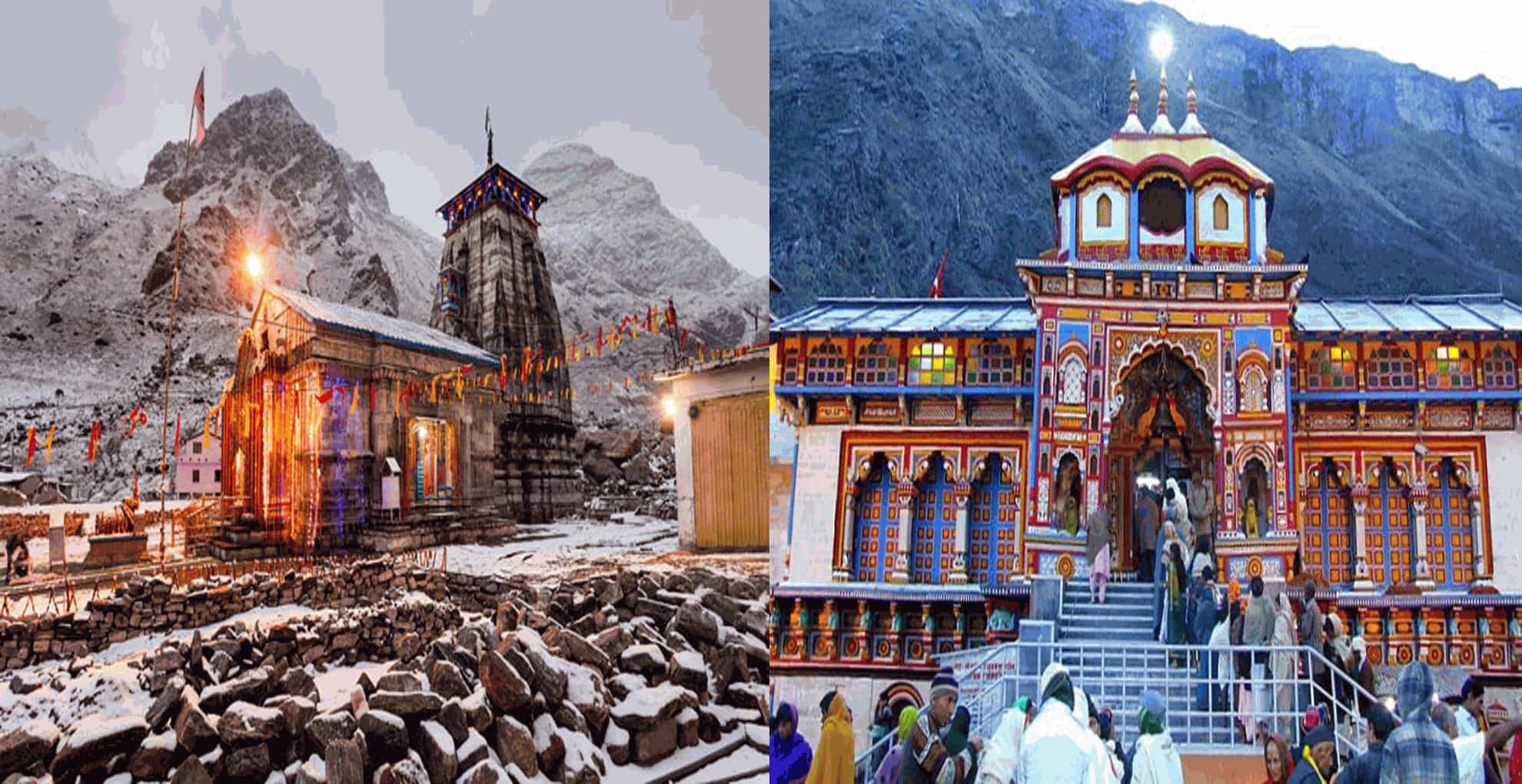
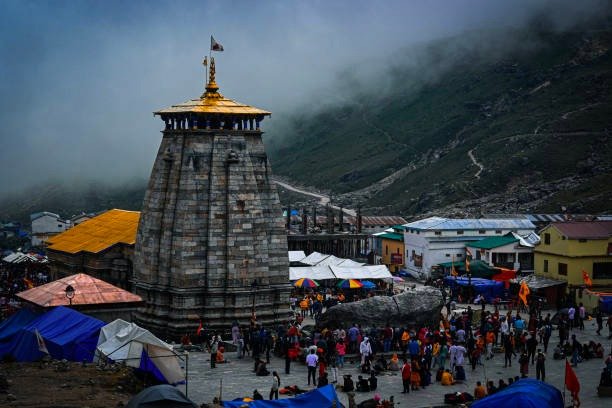
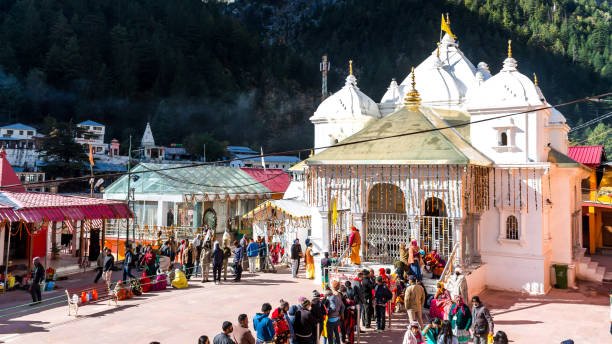
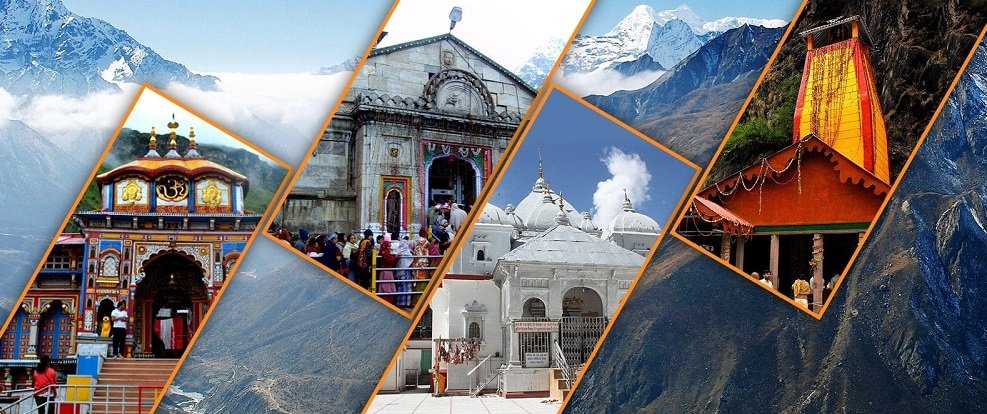
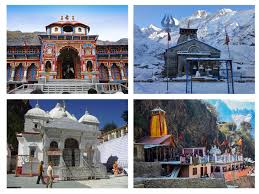
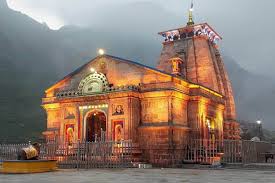
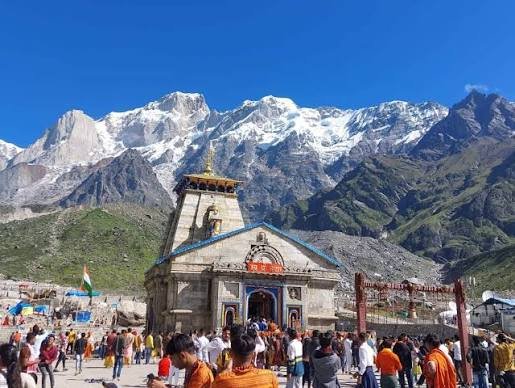
Morning after breakfast, we will drive towards Guptkashi/Sirsi/Phata helipad as per your pre-booked Heli Ticket. Then we will proceed for flying to Kedarnath via Heli, on reach Kedarnath helipad, then process to Kedarnath Temple, after perform Pooja, Darshan of Baba Kedarnath Temple, then back to helipad, flying back to Phata/Sirsi/Guptkashi Helipad. After that back to hotel, after refreshed have dinner & overnight stay at Guptkashi/Sitapur. By Trek: - Today early morning, our driver will drop you at Sonprayag then you have to take local jeep for Gourikund & then your trek starts for Kedarnath ji (Either by walk or by horse or by Doli at own cost). Reach Kedarnath Ji Mandir, take Darshan of Baba Shri Kedarnath Temple and performs Pooja, after Temple Darshan trek down to Gourikund. Later, drive back to Sitapur/Guptkashi. After refreshed have dinner and overnight stay at Sitapur/Guptkashi. Gouri Kund- local tradition claims that Gouri Kund is the spot where Gouri lived while carrying out practices and it was here that shiva finally admitted his love for her. Kedarnath: The Kedarnath shrine, one of the 12 jyotirlingas of Lord Shiva, is a scenic spot situated, against the backdrop of the majestic Kedarnath range. Kedar is another name of Lord Shiva. According to legend, the Pandavas after having won over the Kaurava in the Kurukshetra war, felt guilty of having killed their own brothers and sought the blessings of Lord Shiva for redemption. He eluded them repeatedly and while fleeing took refuge at Kedarnath in the form of a bull. On being followed he dived into the ground, leaving his hump on the surface. The remaining portions of Lord Shiva appeared at four other places and are worshipped there as his manifestations. The arms appeared at Tungnath, the face at Rudranath, the belly at Madhyamaheshwar and his locks (hair) with head at Kalpeshwar. Kedarnath and the four above-mentioned shrines are treated as Panch Kedar.
Day - 3 ( Sitapur/Guptkashi- Joshimath (145Kms/ 06 - 07Hrs) )
Morning after breakfast, check out from hotel then we will drive towards Joshimath, via Pipalkoti. On route visit Shankaracharya Math & Narsingh Temple, later drive for hotel. On reach check in into hotel, after refreshed have dinner & overnight stay at Joshimath.
Day - 4 ( Joshimath - Badrinath - Joshimath (45Km/03Hrs) )
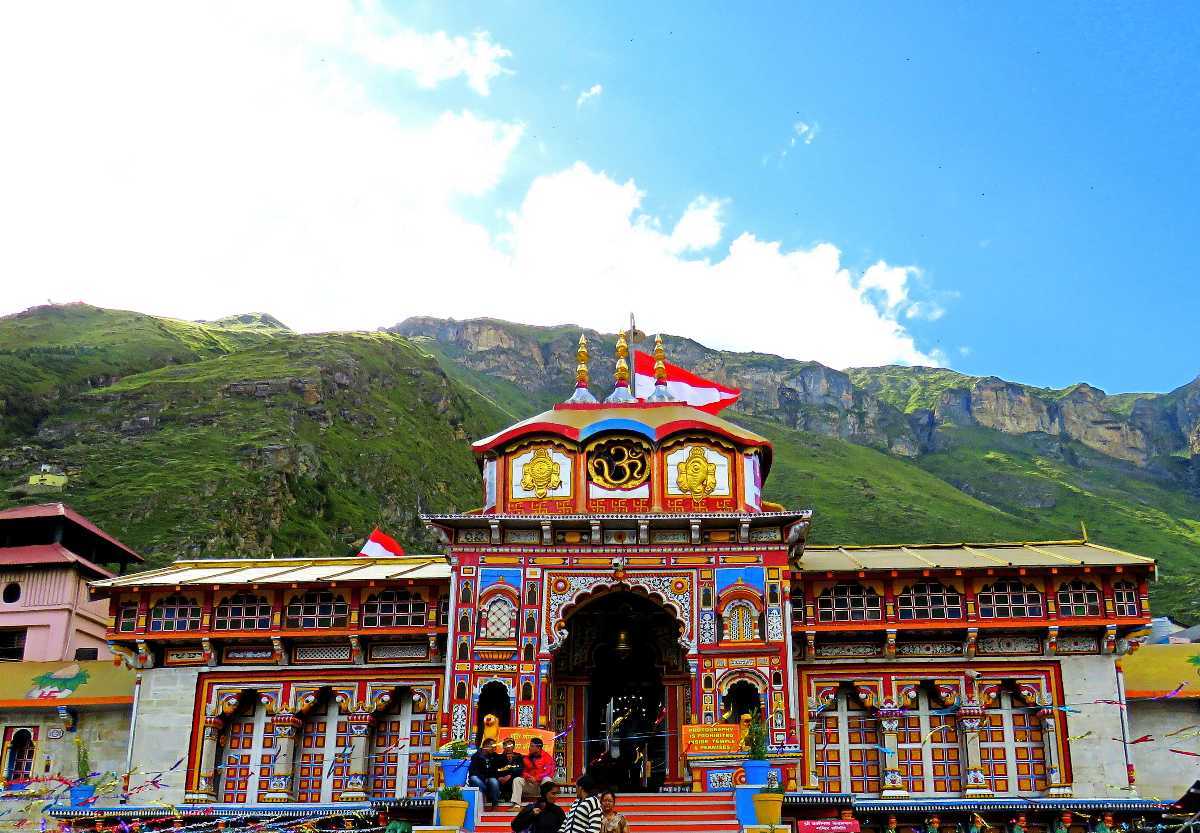
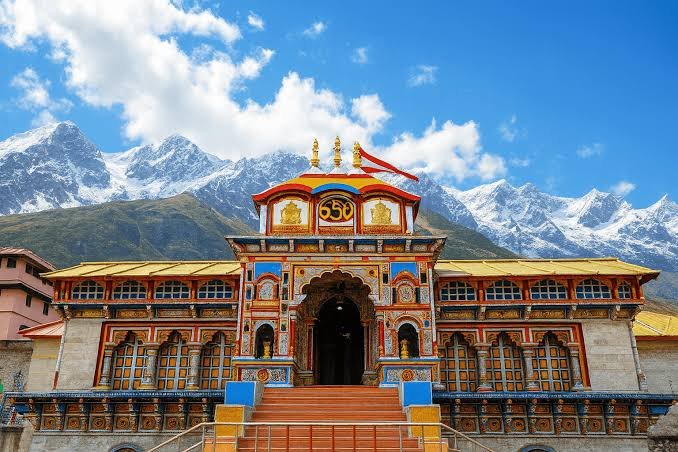
Today morning, we leave for Shri Badrinath Ji Temple. On arrival perform pooja and darshan and spend time visiting around the temple. after that drive back to Joshimath, on reach hotel, after refreshed have dinner and overnight stay at Joshimath. Badrinath: - is one of the 'Ancient Four Dham’s' is one of the most celebrated pilgrimage spots of the country and is situated at an elevation of 3,133 meters, guarded on either side by the two mountain ranges known as Nar & Narayan with the towering Neelkanth Peak providing a splendid backdrop. This revered spot was once carpeted with wild berries. Thus, the place got the name
Day - 5 ( Joshimath - Rudraprayag - Haridwar Drop (273Km/08-09 Hrs) )
Today morning after breakfast, check out from hotel then we will drive towards Haridwar via Srinagar, on route visit Nandaprayag Sangam, Karnaprayag Sangam, Rudraprayag Sangam and Devprayag Sangam. Later drive to Haridwar for drops with sweet memories.
Inclusions & Exclusions
- Accommodation
- Hotel accommodation as per package or similar hotels.
- All transfer and sightseeing by
- Driver allowance.
- Toll taxes, permit, Interstate taxes, Parking etc.
- Meals Breakfast & Dinner (Menu Fixed).
- All applicable taxes.
- Under 05 Years Kid Complimentary.
- Pickup & Drop
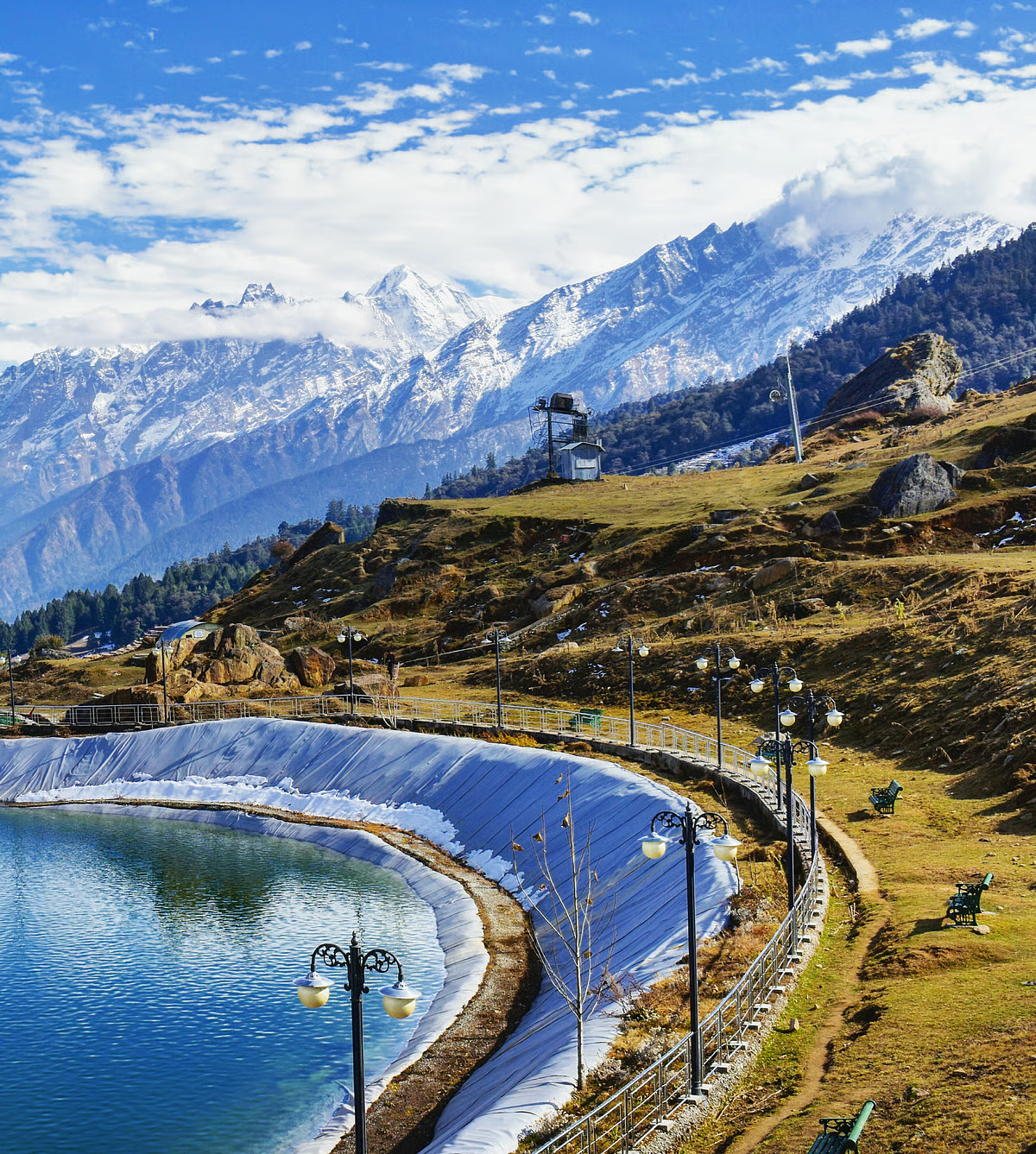
- Triyuginarayan, Chopta, Mana & Auli & Rishikesh Sightseeing as per direct payment basis.
- 5% GST
- AC does not work in Hill Area.
- AC will be till on Rishikesh/Dehradun.
- Pony/Palki/Doli Charges during Yamunotri & Kedarnath Trek.
- Any International or Domestic Air or Rail Tickets.
- Rest All Meals.
- AC in Hill area hotels.
- Table drinks.
- Travel/Personal health insurance.
- personal expenses of the clients or any other expenses incurred due to bad weather.
Questions About Do Dham Yatra From Haridwar
1. Is the Yatra from Haridwar suitable for senior citizens?
Yes, the Do Dham Yatra from Haridwar is suitable for senior citizens due to its relatively short travel duration and easy connectivity. However, the trek to Kedarnath can be challenging, so seniors often prefer using helicopter services, ponies, or palkis. It is recommended to carry essential medications, take frequent breaks, and travel at a comfortable pace.
2. What should I pack for the Do Dham Yatra starting from Haridwar?
Pilgrims should carry warm clothing, comfortable trekking shoes, rain gear, woollen caps, gloves, and essential medicines. Items like a power bank, torch, reusable water bottle, snacks, and a basic first-aid kit are also useful. Mountain weather can change quickly, so waterproof and layered clothing is important
3. When is the best time to begin the Do Dham Yatra from Haridwar?
The best time for the Yatra is May–June and September–October, when the climate is pleasant and roads are comparatively safer. The monsoon season (July–August) brings heavy rain and potential landslides, which may cause delays, while October offers clearer skies but colder temperatures.