Planning the Char Dham Yatra 2027 requires much more than selecting a tour package and booking a vehicle. Weather, road conditions, crowd levels, temple-opening schedules, accommodation availability and personal fitness can all affect the quality and safety of your pilgrimage.
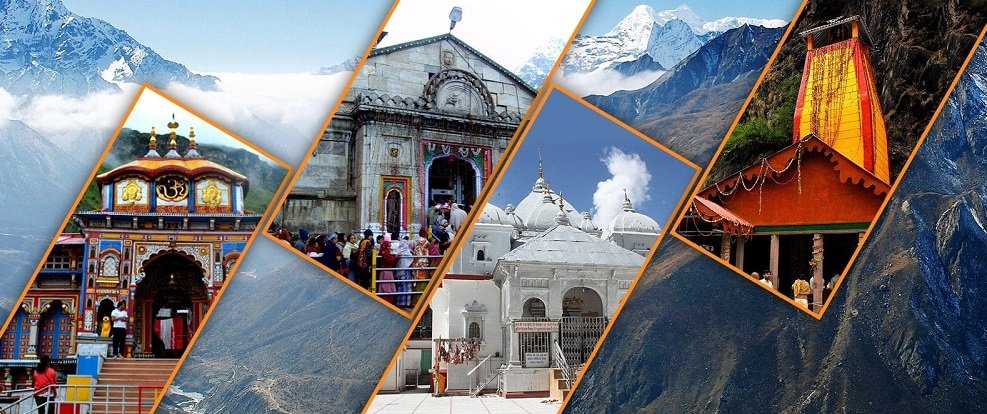
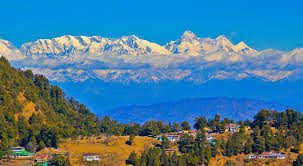
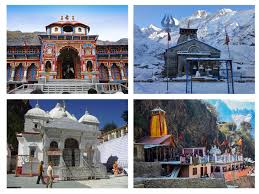
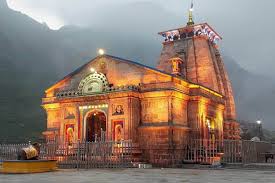
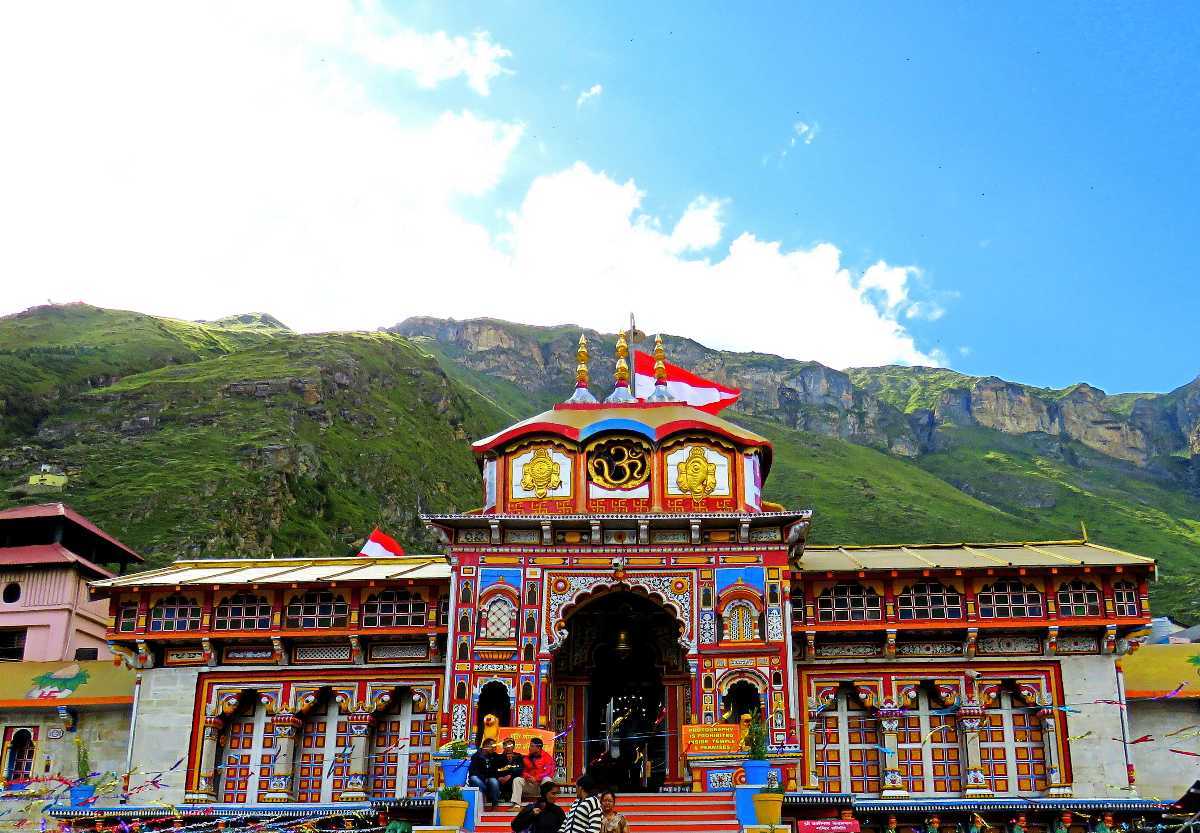
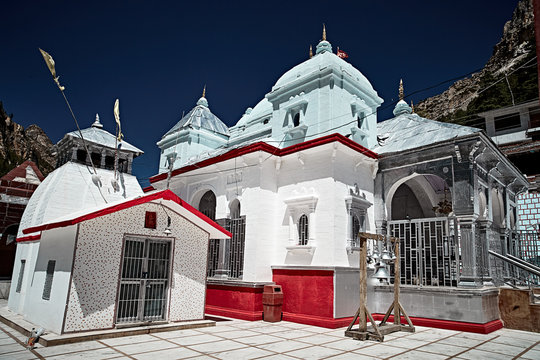
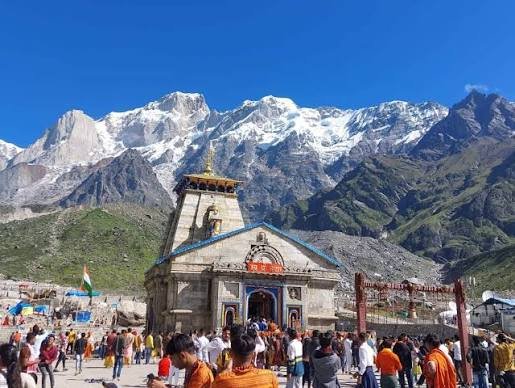
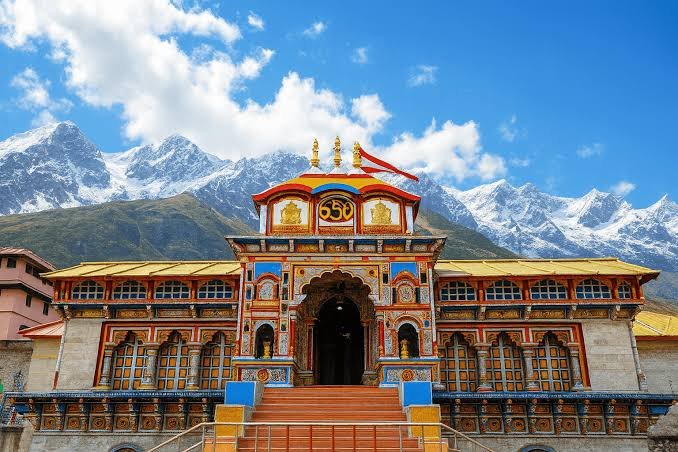
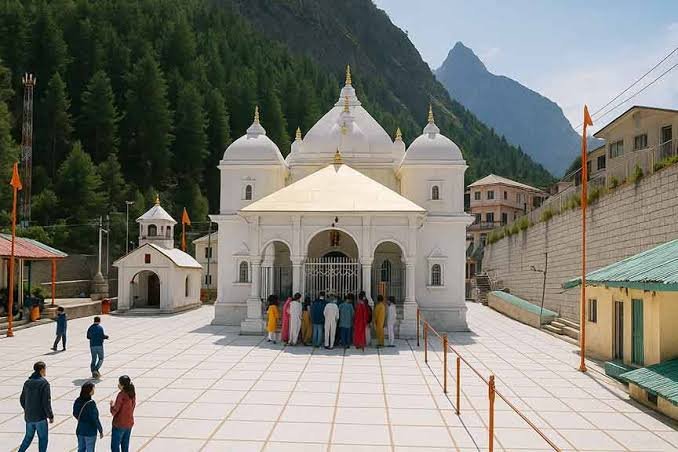
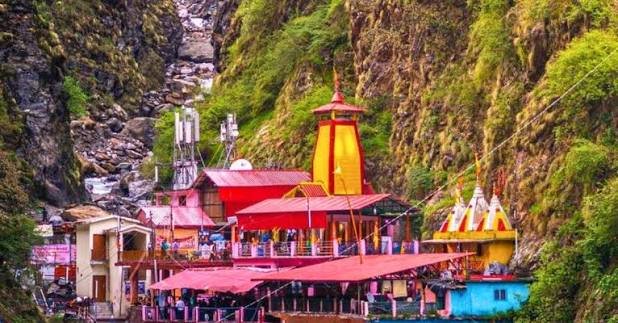
The sacred Char Dham circuit includes Yamunotri, Gangotri, Kedarnath and Badrinath, all located in the high-altitude Himalayan region of Uttarakhand. These shrines normally remain closed during winter because of heavy snowfall and reopen during spring, generally in April or May. They usually close again around October or November, depending on the official religious calendar and weather conditions. Exact opening and closing dates for 2027 should be confirmed through official Uttarakhand Government and temple committee announcements before making final bookings.
For most pilgrims, the two preferred travel windows are:
- May to June, after the temples open and before the main monsoon period.
- September to October, after the heaviest monsoon rains have reduced and before winter closure.
Uttarakhand Tourism lists the warmer pilgrimage months as the principal period for visiting the Char Dham shrines. Its destination guidance identifies April–June and September–November as favourable periods for Yamunotri, May–October for Kedarnath, and May–October for Badrinath.
This detailed guide explains the expected travel conditions during each part of the season and helps you choose the right month based on your age, group size, comfort expectations and preferred mode of transport.
Important: The temperature ranges in this article are broad seasonal estimates for travel planning, not a forecast for specific 2027 dates. Mountain weather can change rapidly. Always check the latest IMD forecast and official road advisories shortly before departure.
The Char Dham Yatra season normally begins around April or May, when snow clearance, route inspections and temple-opening ceremonies are completed. The exact dates are announced individually for Yamunotri, Gangotri, Kedarnath and Badrinath.
The Uttarakhand Tourism Department notes that the high-altitude shrines remain closed for around six winter months, reopen in summer and close again with the arrival of winter. The traditional pilgrimage direction begins with Yamunotri, continues to Gangotri and Kedarnath, and concludes at Badrinath.
Pilgrims should not assume that all four temples will open on the same date. In previous seasons, their opening ceremonies have taken place on different days according to religious traditions.
What to expect during the opening period
The first few weeks of the season may offer:
- Fresh snow on surrounding mountain peaks
- Cold mornings and evenings
- Occasional rain, snowfall or sudden weather changes
- High demand for hotels and transport
- Large crowds around the opening dates
- Possible delays caused by road maintenance or route regulation
Pilgrims travelling immediately after the temples open should carry proper winter clothing and keep some flexibility in their itinerary. A tightly packed programme may become difficult if weather or traffic causes delays.
Who should travel during the opening weeks?
The opening period is suitable for:
- Devotees wishing to attend the early-season Darshan
- Travellers comfortable with cold weather
- Photographers seeking snow-covered mountain scenery
- Pilgrims with flexible schedules
- Visitors who have booked hotels and transport well in advance
Senior citizens, small children and people with breathing or heart-related concerns should consult a doctor before travelling to high-altitude destinations.
May is one of the most popular months for the Char Dham Yatra. By this time, the shrines are generally open or preparing to open, roads have begun operating for the main pilgrimage season and daytime weather is usually more comfortable than during winter.
Weather in May
Lower towns such as Haridwar, Rishikesh, Barkot, Uttarkashi, Guptkashi and Joshimath can feel pleasantly warm during the day. However, the temple areas remain significantly colder, particularly early in the morning, after sunset and during cloudy weather.
At Kedarnath, Gangotri, Yamunotri and Badrinath, pilgrims should be prepared for:
- Cold winds
- Chilly mornings
- Single-digit nighttime temperatures
- Occasional rainfall
- Snow remaining on surrounding slopes
- Sudden drops in temperature
Weather conditions may feel colder than the displayed temperature because of wind and altitude.
Advantages of travelling in May
May offers several benefits:
- The landscape looks fresh after winter.
- Snow remains visible on the higher mountains.
- Daytime temperatures are often suitable for road travel.
- The routes are generally active for the pilgrimage season.
- Families can travel before the school-holiday peak intensifies.
- Helicopter operations may be available, subject to aviation approval and weather.
Challenges in May
May can also be demanding because:
- Opening-period crowds can be heavy.
- Hotel availability may become limited.
- Taxi and helicopter seats can sell quickly.
- Nights remain cold.
- Snow clearance or early-season road repairs may cause delays.
- Rain or cloud cover can affect helicopter operations.
May travel recommendation
May is a good choice for travellers who want to see snow-covered Himalayan scenery and can tolerate cold mornings and busy pilgrimage routes.
Book your Char Dham Package from Haridwar, hotels, taxi and helicopter seats well in advance. Avoid relying on last-minute accommodation near Kedarnath, Badrinath, Harsil or Kharsali.
What to pack for May
Carry:
- Thermal innerwear
- Heavy jacket
- Woollen cap and gloves
- Waterproof outer layer
- Trekking shoes with strong grip
- Extra socks
- Personal medicines
- Sunscreen and sunglasses
- Power bank
- Water bottle
- Registration confirmation
- Valid government photo ID
June is another highly preferred month for the Char Dham Yatra. It often provides relatively stable daytime conditions, but it is also one of the busiest parts of the pilgrimage season.
Families frequently choose June because of school holidays and comparatively warmer weather. This creates high demand for hotels, vehicles, helicopter seats and temple-area services.
Weather in June
June is generally warmer than May, particularly in the lower and mid-altitude regions. Daytime travel can be pleasant, while nights at Kedarnath, Gangotri and Badrinath may still remain cold.
The later part of June may begin to experience pre-monsoon or monsoon-related rainfall. Therefore, pilgrims should monitor updated weather warnings and avoid assuming that the entire month will remain dry.
Advantages of travelling in June
- Comfortable daytime temperatures
- All main Yatra routes generally operational
- Better availability of roadside services
- Suitable for families and groups
- Less extreme cold than the opening weeks
- Good time for a full Char Dham road journey
Challenges in June
- Very heavy pilgrim traffic
- Long waiting periods at some locations
- Higher hotel demand
- Traffic regulation near Sonprayag, Janki Chatti and temple towns
- Rainfall risk increasing toward the end of the month
- Possible helicopter delays due to cloud, wind or poor visibility
Is June suitable for senior citizens?
June can be more comfortable than early May because temperatures are usually milder. However, crowd levels and long waiting periods can be tiring.
Senior citizens should:
- Choose a relaxed itinerary
- Avoid travelling continuously for long hours
- Stay overnight at comfortable intermediate locations
- Carry regular medicines
- Consult a doctor before visiting high-altitude areas
- Keep at least one buffer day in the programme
Recommended June itinerary style
Instead of rushing through the journey, choose a 9-night/10-day or 10-night/11-day Char Dham package. A slower itinerary provides better rest and reduces travel fatigue.
For example:
Haridwar – Barkot – Yamunotri – Uttarkashi – Gangotri – Guptkashi – Kedarnath – Badrinath – Rudraprayag/Srinagar – Haridwar
July and August are part of Uttarakhand’s main monsoon period. Although the temples may remain open, road journeys during this period require greater caution.
Heavy rain can affect mountain roads through:
- Landslides
- Falling rocks
- Waterlogging
- Road closures
- Reduced visibility
- River-level increases
- Delays in vehicle movement
- Temporary suspension of trekking or helicopter activity
IMD regularly publishes Uttarakhand forecasts and district-level warnings, and pilgrims travelling during the monsoon should follow these updates carefully.
Yes, the Yatra may continue during parts of July and August, but the journey is more weather-dependent. Pilgrims should be prepared for route changes, waiting periods and possible itinerary disruption.
The monsoon period is not ideal for travellers who have:
- Very limited leave
- Fixed return flights
- Serious health concerns
- Young children
- Difficulty tolerating long delays
- No flexibility in hotel or vehicle bookings
Monsoon precautions
Check official weather alerts
Check the latest IMD forecast, Uttarakhand Government updates and district administration advisories before starting each day’s journey. Never depend only on a general weather application.
Avoid night driving
Mountain roads can become more dangerous after dark, particularly during rain. Start early and aim to reach your hotel before evening.
Do not cross barricades
If police, SDRF, local administration or road authorities stop traffic, wait for official clearance. Never pressure the driver to proceed through a closed or unsafe section.
Keep buffer days
Add at least one or two extra days to the itinerary. A landslide or road blockage may delay the journey even when the temple remains open.
Use an experienced hill driver
A driver familiar with Uttarakhand’s mountain routes is better equipped to handle steep roads, blind turns, rain, falling stones and regulated traffic zones.
Carry waterproof luggage protection
Keep clothes, documents, medicines and electronic items in waterproof bags.
Avoid standing near landslide-prone slopes
Do not stop unnecessarily below steep slopes, waterfalls or falling-stone zones.
Keep cash and emergency supplies
Mobile networks and digital-payment services may be unreliable in remote mountain areas. Carry sufficient cash, drinking water, dry snacks and essential medicines.
Advantages of monsoon travel
Some pilgrims still choose July and August because:
- Crowds may be lower than in May and June.
- The valleys appear lush and green.
- Accommodation may be easier to find on ordinary dates.
- Waterfalls and rivers become more dramatic.
However, these advantages should never be placed above safety.
September is widely considered one of the best months for the Char Dham Yatra, especially after the heaviest monsoon activity begins to reduce.
The landscape remains green, mountain views often become clearer and the overall crowd may be more manageable than during the May–June peak season.
Uttarakhand Tourism’s destination guidance identifies September as a favourable travel period for Yamunotri, with May–October also considered suitable for Kedarnath and Badrinath.
Weather in September
Early September may still receive rain, while the later part of the month often brings clearer weather. Conditions can vary from year to year, so travellers must continue checking official forecasts.
Typical September conditions include:
- Pleasant daytime temperatures
- Cooler evenings
- Green valleys
- Improved visibility after rain
- Less intense crowds than peak summer
- Possible residual landslide or road-repair activity
Why September is popular
September is suitable for:
- Families
- Couples
- Senior citizens travelling with medical clearance
- Photographers
- Pilgrims seeking fewer crowds
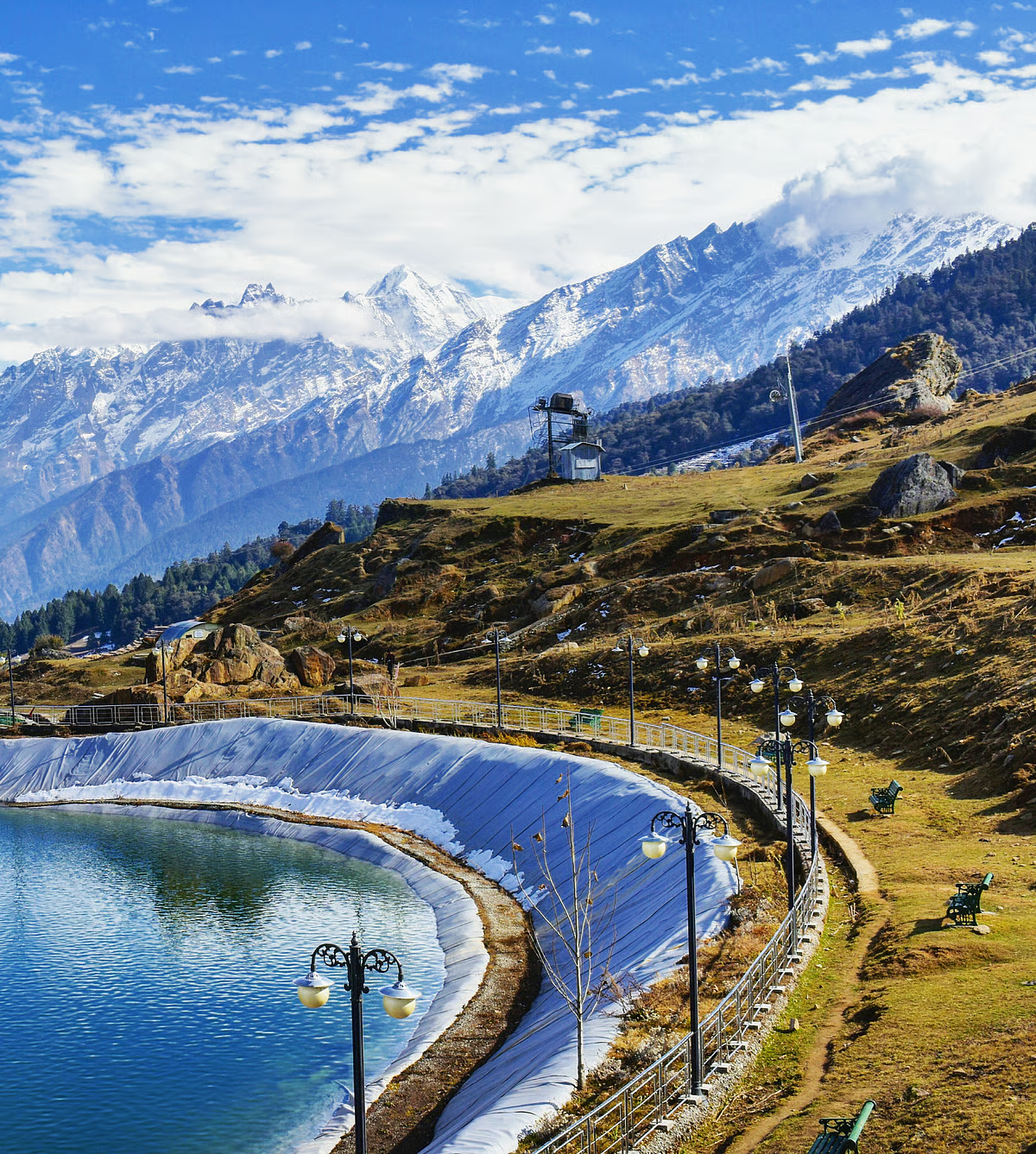
- Travellers combining Char Dham with Auli, Chopta or Valley of Flowers
The Valley of Flowers receives its greatest floral abundance during July to September, although access and closing schedules should be checked before combining it with the Char Dham route.
September travel advice
- Prefer mid or late September where possible.
- Carry a rain jacket because occasional showers may continue.
- Pack warm clothing for Kedarnath, Gangotri and Badrinath.
- Keep one buffer day.
- Confirm road conditions before leaving each hotel.
- Reserve accommodation in advance for weekends and religious dates.
October is another excellent month for pilgrims who prefer clear mountain views, lower crowd levels and a more peaceful spiritual experience.
However, temperatures begin to fall significantly, especially during the second half of the month. The temples also approach their winter-closing period, so travellers must verify the official closing dates before booking.
Uttarakhand Tourism notes that high-altitude shrines close around October or November as winter approaches.
Weather in October
October often brings:
- Clearer skies
- Excellent Himalayan visibility
- Cold mornings and nights
- Dry daytime conditions on many dates
- Possibility of early snowfall at higher altitudes
- Reduced crowd levels after major festival periods
Benefits of October travel
- Peaceful Darshan experience
- Lower congestion than May and June
- Clear photography conditions
- Beautiful autumn landscapes
- Better chances of enjoying the journey at a slower pace
October travel challenges
- Very cold temperatures near the shrines
- Shorter daylight hours
- Possible frost or early snow
- Limited services near the end of the season
- Greater risk of closure-related changes
- Some hotels or seasonal facilities may begin winding down
Who should choose October?
October is ideal for:
- Pilgrims comfortable with cold weather
- Travellers seeking fewer crowds
- Couples and photography groups
- Visitors who can travel before the official closing dates
- Families with appropriate winter clothing
It may be less suitable for infants, travellers with severe cold sensitivity or pilgrims who are unable to handle low temperatures.
Approximate Temperature by Char Dham Destination
The following ranges are broad planning estimates. Actual temperature can change rapidly because of altitude, rainfall, wind, cloud cover and snowfall.
| Destination |
May–June Day |
May–June Night |
Sept–Oct Day |
Sept–Oct Night |
| Yamunotri region |
10°C–18°C |
3°C–9°C |
7°C–15°C |
0°C–7°C |
| Gangotri |
8°C–17°C |
1°C–8°C |
5°C–14°C |
-2°C–5°C |
| Kedarnath |
5°C–13°C |
-1°C–5°C |
2°C–11°C |
-5°C–2°C |
| Badrinath |
7°C–16°C |
1°C–7°C |
4°C–13°C |
-3°C–4°C |
| Barkot |
16°C–27°C |
8°C–15°C |
13°C–23°C |
5°C–12°C |
| Uttarkashi |
18°C–29°C |
10°C–17°C |
15°C–25°C |
7°C–14°C |
| Guptkashi |
15°C–25°C |
7°C–14°C |
11°C–21°C |
3°C–10°C |
| Joshimath |
13°C–23°C |
6°C–12°C |
9°C–19°C |
1°C–8°C |
Gangotri can become extremely cold late in the season; the temple committee’s destination information records very low November temperatures, demonstrating how quickly winter conditions can develop in the region.
Which Month Is Best for Different Travellers?
Best month for families
May, June or September
Families generally benefit from moderate daytime weather and broader availability of transport, hotels and restaurants.
Best month for senior citizens
Late May, early June or mid-September
Senior citizens should avoid extremely cold opening weeks and should travel only after medical consultation.
Best month for fewer crowds
September and October
These months are generally less congested than the May–June peak, although festival dates and weekends can still be busy.
Best month for snow views
May or late October
Snow may remain around higher peaks in May, while early winter conditions may appear near the end of October. Snowfall is never guaranteed.
Best month for photography
September and October
Clearer post-monsoon skies can provide excellent mountain visibility.
Best month for helicopter travel
May, June and post-monsoon September, subject to aviation schedules and daily weather.
Helicopter services remain highly weather-dependent. Cloud, rain, wind and visibility can cause delays or cancellations even during the preferred travel season.
A Char Dham Yatra by Road is suitable for pilgrims who want to experience the complete Himalayan landscape, river confluences, temples and local towns.
Best travel windows:
- May to mid-June
- Mid-September to October
Road travel offers greater flexibility but requires more days and longer daily journeys.
A Char Dham Helicopter Package is suitable for:
- Senior citizens
- Time-conscious pilgrims
- Families seeking a premium journey
- NRIs and international travellers
- Corporate or luxury groups
The standard helicopter circuit commonly operates as a multi-day itinerary from Dehradun. All flights are subject to weather, aviation permissions, operator schedules and applicable government regulations.
Every pilgrim should complete the official registration process once registration for the 2027 season opens.
The Uttarakhand Tourist Care portal provides registration facilities for Kedarnath, Badrinath, Gangotri, Yamunotri and Hemkund Sahib. It also includes links for vehicle registration, health registration and helicopter-booking information.
Keep the following ready:
- Aadhaar card, voter ID, driving licence or passport
- Active mobile number
- Email address
- Emergency contact
- Travel dates
- Digital and printed registration confirmation
Registration requirements may change, so rely on the current official instructions instead of old screenshots or forwarded messages.
Essential Packing List by Season
For May and early June
- Heavy jacket
- Thermal wear
- Woollen cap
- Gloves
- Waterproof shoes
- Rain jacket
- Extra socks
- Sunglasses
- Sunscreen
For late June, July and August
- Waterproof jacket
- Quick-dry clothing
- Waterproof backpack cover
- Umbrella
- Strong-grip footwear
- Extra medicines
- Plastic protection for documents
- Dry snacks
For September and October
- Heavy woollens
- Thermal layers
- Gloves and cap
- Windproof jacket
- Warm socks
- Moisturizer and lip balm
- Hot-water bottle where necessary
For every month, carry valid identification, registration confirmation, prescribed medicines, a personal first-aid kit, power bank, water bottle and sufficient cash.
ABD Holidays Pvt. Ltd. provides professionally managed travel services for pilgrims visiting Uttarakhand.
Our services
Why travellers choose ABD Holidays
- Experienced hill drivers
- Well-maintained vehicles
- Family and senior-citizen-friendly itineraries
- Hotel and transportation coordination
- Customized tour planning
- Airport pickup and drop
- 24×7 travel assistance
- Transparent quotations
Which month is best for Char Dham Yatra?
May, June, September, and October are generally the most popular months, depending on weather and temple schedules.
Can I visit Kedarnath and Badrinath in one trip?
Yes. Do Dham packages combine both shrines and are available by road and helicopter.
Does ABD Holidays provide helicopter packages?
Yes. Char Dham, Do Dham, and Kedarnath helicopter packages are available, subject to weather, operator schedules, and applicable regulations.
Is Haridwar the best starting point for Char Dham?
Haridwar is one of the most common starting points because of its road, rail, and nearby airport connectivity.
Which taxi is recommended for Char Dham?
SUVs such as Innova Crysta are popular for families, while Tempo Travellers and Urbania are suitable for larger groups.
What is the best time for Char Dham Yatra 2027?
May to June and September to October are generally the most suitable periods. The final choice should depend on official temple dates, weather and your health.
Is May a good month for Char Dham Yatra?
Yes. May offers snow views and pleasant daytime weather, but mornings and nights remain cold, and crowds may be high.
Is June suitable for the Char Dham Yatra?
Yes. June is popular for families, although traffic and hotel demand are usually heavy. Rain risk may increase toward the end of the month.
Is Char Dham Yatra safe in July?
Travel may be possible, but July falls in the monsoon period. Landslides, heavy rain and road closures can affect the journey.
Which is better, September or October?
September is usually slightly warmer and greener. October is colder but often provides clearer views and fewer crowds.
Can senior citizens undertake Char Dham Yatra?
Yes, subject to medical fitness. A relaxed road itinerary or a suitable helicopter package may reduce travel strain.
Which Dham is the coldest?
Kedarnath is generally one of the coldest and most physically demanding because of its altitude and trekking route.
Does it snow during the Yatra season?
Snow may remain on surrounding peaks in May, and fresh snowfall can occur late in the season. It is not guaranteed on any specific date.
Is registration compulsory?
Pilgrims should complete the registration required through the official Uttarakhand Tourist Care system before starting the journey.
How many days are required for Char Dham by road?
A comfortable road itinerary generally requires approximately 9–12 days, depending on the starting point, pace and overnight stops.
Which vehicle is best for a family?
Innova Crysta is a popular choice for families. Tempo Travellers and Urbania vehicles are suitable for larger groups.
Can the journey be completed during monsoon?
It can sometimes be completed, but travellers must keep flexible dates and strictly follow official weather and road advisories.
Final Recommendation: Which Month Should You Choose?
Choose May for fresh mountain scenery and snow-covered peaks.
Choose June for warmer daytime conditions, while preparing for heavy crowds.
Choose July or August only when your dates are flexible and you are prepared for monsoon disruption.
Choose September for balanced weather, green landscapes and comparatively manageable crowds.
Choose October for clear Himalayan views, peaceful Darshan and colder autumn conditions.
For most families and first-time pilgrims, mid-May to mid-June or mid-September to early October is generally the most practical travel window. Exact 2027 conditions cannot be guaranteed this far in advance, so confirm temple dates, registration rules, weather and road status before departure.
Plan your sacred Himalayan journey with ABD Holidays Pvt. Ltd. for professionally managed transportation, accommodation and complete travel assistance.
Whether you need a Char Dham Package from Haridwar, Char Dham by Road, Char Dham Helicopter Package, Do Dham Yatra, Kedarnath Tour Package, Badrinath Tour Package, Haridwar Taxi Service, or a customized Uttarakhand itinerary, our team is ready to assist you.
📞 Call / WhatsApp: +91-7535869999
📞 Alternate: +91-9520971515
🌐 Website: www.abdholidays.com
📧 Email: info@abdholidays.com
Travel safely, comfortably and confidently with ABD Holidays Pvt. Ltd.—your trusted travel partner for Char Dham Yatra 2027.