Best Time to Visit Char Dham Yatra 2027 – Weather, Best Months & Travel Guide
The best time for Char Dham Yatra 2027 is generally May to June and September to October, subject to official temple schedules, weather and road conditions. May and June are popular during the main pilgrimage season, while September and October offer a post-monsoon travel window with cooler weather. July and August require greater flexibility because of monsoon rainfall and possible road disruptions.
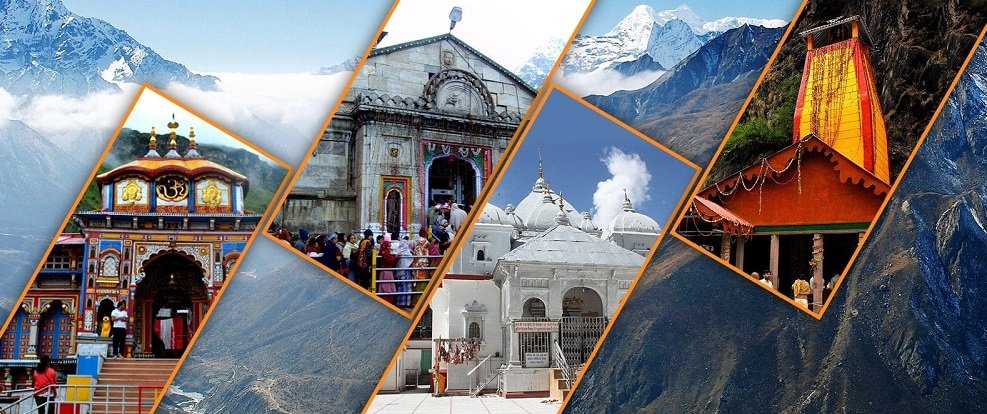
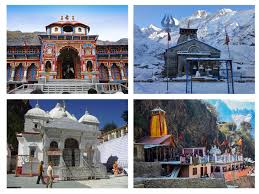
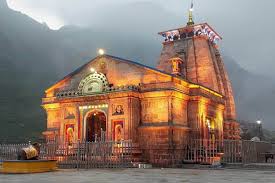
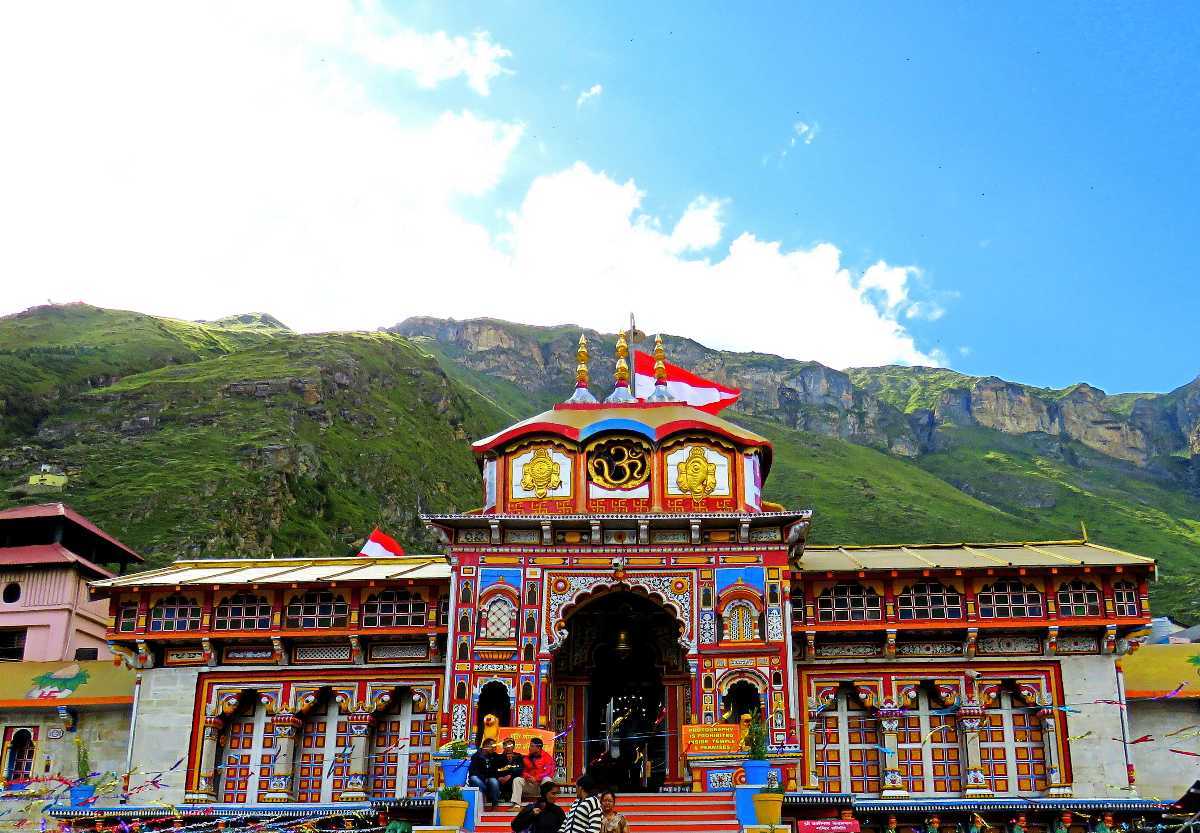
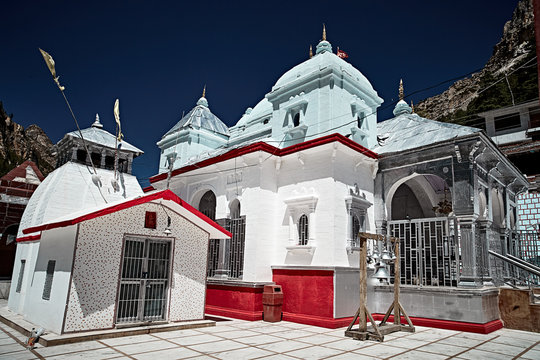
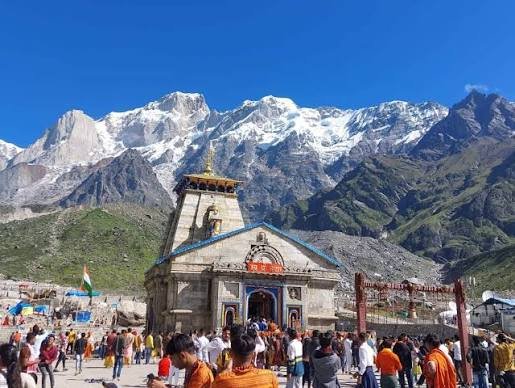
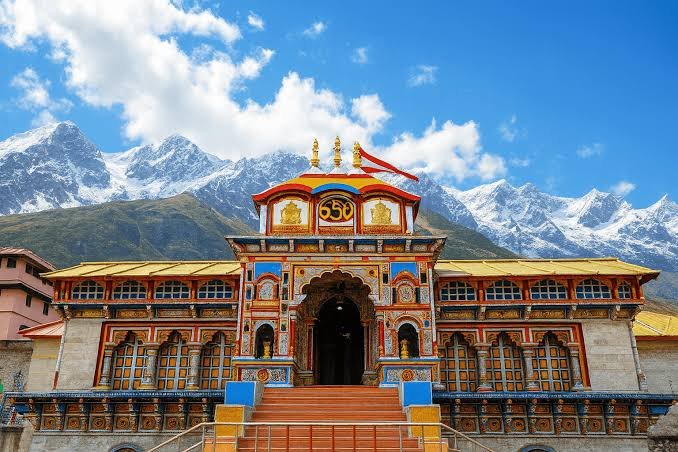
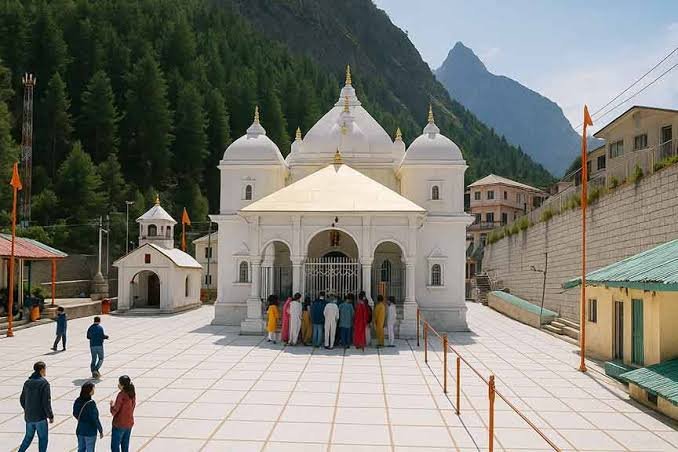
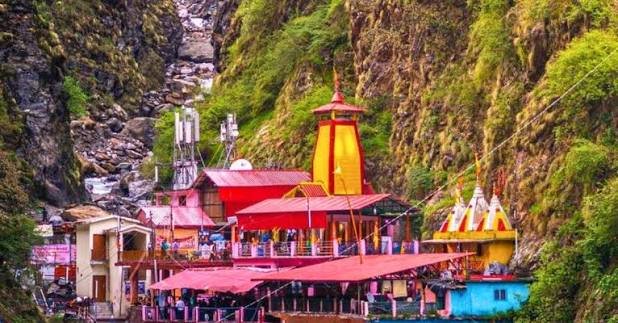
Planning the Char Dham Yatra 2027 at the right time can make your pilgrimage more comfortable and easier to manage. The four sacred shrines—Yamunotri, Gangotri, Kedarnath and Badrinath—are located in the Himalayan region of Uttarakhand, where weather, temperature and road conditions can change quickly.
For most pilgrims, May to June and September to October are generally the preferred periods for Char Dham Yatra. May and June are popular because the main pilgrimage season is underway, while September and October offer an important post-monsoon travel window with cooler Himalayan weather.
However, there is no single “best month” for every traveller. The right time depends on your age, health, preferred mode of travel, tolerance for crowds, weather conditions and whether you are planning the journey by road or helicopter.
2027 Travel Note: Exact opening and closing dates of the Char Dham temples should be treated as confirmed only after official announcements by the respective temple authorities and relevant government bodies. Always verify the latest official information before finalizing your journey.
Is Char Dham Yatra Possible During Monsoon?
Char Dham Yatra may be possible during the monsoon season, but July and August require additional flexibility because heavy rainfall can affect mountain roads, traffic and local travel arrangements. Pilgrims should check current weather, road conditions and local administration advisories before departure.
Where Does Char Dham Yatra Start?
Many pilgrims begin their Uttarakhand Char Dham journey from Haridwar or Rishikesh. Travellers arriving by air can also use Dehradun Airport and continue by road. The exact starting point depends on the selected itinerary and travel package
Char Dham Yatra Transportation
Char Dham travellers can choose private cars, SUVs or Tempo Travellers depending on group size and itinerary. Haridwar, Rishikesh and Dehradun are commonly used arrival points for Uttarakhand pilgrimage journeys.
Best Time for Char Dham Yatra 2027 – Quick Answer
For most travellers, the Char Dham season can broadly be divided into three travel periods:
May to June – Popular Yatra Season
May and June are traditionally among the most popular months for the Char Dham Yatra.
Weather conditions are generally more suitable for pilgrimage compared with the main monsoon period. However, peak dates can bring heavy pilgrim traffic, longer queues and increased demand for hotels, taxis and helicopter services.
Families and groups planning a May or June journey should book their transportation and accommodation sufficiently in advance.
July to August – Monsoon Period
July and August coincide with the main monsoon period in Uttarakhand.
Heavy rainfall can occasionally affect mountain roads, and landslides, temporary road closures or traffic delays are possible.
This does not mean that travel is impossible throughout these months. However, travellers should keep their itinerary flexible, monitor current weather conditions and follow official road and local administration advisories.
September to October – Post-Monsoon Season
September and October can be excellent months for travellers who prefer cooler weather and want to travel after the main monsoon period.
Early September can still receive occasional rainfall, so current road and weather conditions remain important.
October generally becomes considerably colder, particularly around Kedarnath, Badrinath, Gangotri and Yamunotri.
Char Dham Yatra Month-by-Month Guide 2027
Char Dham Yatra in May 2027
May is traditionally one of the busiest periods of the Char Dham season.
Pilgrims planning their journey around the temple opening period should expect significant demand for hotels, taxis and other travel services.
Daytime conditions can be pleasant at lower elevations, while early mornings and evenings remain cold around high-altitude pilgrimage destinations.
Who Should Consider May?
May can be suitable for:
- Families
- First-time Char Dham pilgrims
- Group travellers
- Pilgrims wanting to travel during the early main season
- Travellers who prefer to avoid the monsoon period
Things to Keep in Mind
The main consideration in May is crowd level.
Traffic and queues can increase significantly during popular dates, weekends and holidays.
Travellers should therefore avoid making an unnecessarily tight itinerary.
Char Dham Yatra in June 2027
June is another popular month for the Char Dham Yatra, particularly for families travelling during the school holiday period.
Daytime temperatures are generally more comfortable than during the opening weeks of the season, although Kedarnath, Gangotri and Badrinath can still become cold during mornings and evenings.
Because June is a peak travel period, demand for hotels, private vehicles and helicopter services can remain high.
Advance planning is therefore recommended, especially for families and larger groups.
Travellers planning their journey during the later part of June should also monitor current weather forecasts because rainfall patterns may begin affecting some mountain regions.
Is June Suitable for Senior Citizens?
June can be considered by senior citizens who prefer comparatively milder temperatures, but crowd levels and long travel days can still be tiring.
A relaxed itinerary is generally more comfortable than trying to complete the pilgrimage too quickly.
Senior travellers should allow adequate rest, carry prescribed medicines and seek appropriate medical advice before travelling to high-altitude destinations.
For a complete road journey, a 9 Nights / 10 Days itinerary or a more relaxed 10 Nights / 11 Days itinerary can provide additional time for rest, darshan and unexpected delays.
Char Dham Yatra in July 2027
July generally falls within the monsoon period in Uttarakhand.
Heavy rainfall can affect some mountain roads, while landslides and temporary road disruptions may occur.
Travellers considering July should avoid assuming that historical weather patterns will accurately predict conditions for their particular travel dates.
Check current information shortly before departure.
July Travel Tips
- Check current weather forecasts.
- Follow local administration advisories.
- Keep additional travel time.
- Avoid unnecessarily tight schedules.
- Confirm road conditions before starting long mountain sectors.
- Carry suitable rain protection.
Char Dham Yatra in August 2027
August also falls within the monsoon travel period.
The Himalayan landscape can be exceptionally green, but heavy rainfall can occasionally cause delays on mountain routes.
Pilgrims travelling during August should maintain flexibility in their itinerary and keep sufficient buffer time.
Families travelling with senior citizens or small children should pay particular attention to current weather and road advisories.
Char Dham Yatra in September 2027
September is an important post-monsoon travel window for Char Dham pilgrims.
The mountains are generally lush after the rainy season, and traveller numbers can differ from the peak May–June period.
Early September can still experience rainfall, so weather and road conditions should be checked before departure.
For many travellers, the latter part of September can be worth considering when prevailing weather and road conditions are favourable.
Why Consider September?
September may appeal to travellers looking for:
- Post-monsoon Himalayan scenery
- Cooler weather
- A travel period outside the early-season peak
- Char Dham Yatra by road
- Kedarnath and Badrinath Do Dham Yatra
Actual conditions can vary from year to year, so always check current information before travelling.
Char Dham Yatra in October 2027
October offers beautiful Himalayan scenery along with increasingly colder temperatures.
Morning and evening temperatures can become quite low at Kedarnath, Badrinath, Gangotri and Yamunotri.
Warm clothing becomes especially important.
Travellers should also check the officially announced closing dates of all four shrines before making an October booking.
Who Should Consider October?
October can be considered by travellers who:
- Are comfortable with colder weather
- Prefer a later-season pilgrimage
- Want to avoid peak summer travel
- Can maintain flexibility around temple closing schedules
May vs June vs September vs October – Which Is Better?
| Month |
General Conditions |
Crowd |
Main Consideration |
| May |
Cool to pleasant; cold at higher altitude |
High |
Opening-season demand |
| June |
Generally comfortable but variable later |
High |
Peak travel demand and changing weather later |
| September |
Post-monsoon; occasional rainfall possible |
Variable |
Check current roads and weather |
| October |
Cooler to cold |
Variable |
Warm clothing and temple closing dates |
There is no single month that is perfect for every pilgrim.
Families travelling with children or elderly members may have different requirements from younger travellers or experienced Himalayan pilgrims.
Best Time to Visit Kedarnath in 2027
For many pilgrims, May–June and September–October are preferred periods for visiting Kedarnath.
Kedarnath requires additional planning because the temple is situated at high altitude and the journey includes a mountain trek from the designated road-head area.
Weather conditions can change rapidly.
Senior citizens, families and travellers with health concerns should avoid rushing their itinerary.
Adequate rest and suitable preparation are particularly important for the Kedarnath journey.
Travellers should check current registration requirements, weather conditions, trek arrangements and local advisories before departure.
Best Time to Visit Badrinath in 2027
Badrinath is accessible by road, making it comparatively convenient for many families and senior citizens.
May–June is a popular travel period, while September and October provide another important travel window after the main monsoon period.
October mornings and nights can become very cold.
Travellers planning Badrinath towards the end of the season should confirm the officially announced temple closing date before finalizing their journey.
Best Time to Visit Gangotri in 2027
May, June, September and October are commonly considered for Gangotri Yatra.
The road journey passes through Uttarkashi and the scenic Harsil region.
September can provide beautiful post-monsoon scenery, while October brings considerably cooler temperatures.
Weather and road advisories should always be checked before travelling.
Best Time to Visit Yamunotri in 2027
Yamunotri requires a mountain journey followed by a trek from the designated road-head area.
Because walking is involved, weather conditions can play an important role in the travel experience.
May–June and the post-monsoon September–October period are commonly considered by pilgrims.
Senior citizens should allow adequate time and avoid making the Yamunotri journey unnecessarily rushed.
Best Time for Char Dham Yatra by Road
For a complete Char Dham Yatra by Road, May–June and September–October are generally preferred travel windows.
A traditional road journey connects:
Haridwar/Rishikesh → Yamunotri → Gangotri → Kedarnath → Badrinath → Haridwar/Rishikesh
A complete road itinerary should provide enough time for rest, temple visits, the Kedarnath and Yamunotri journeys and possible weather or traffic delays.
For many travellers, a 9 Nights / 10 Days Char Dham Yatra from Haridwar provides a practical itinerary, while senior citizens and travellers wanting a slower journey may prefer additional time.
Planning the complete pilgrimage by road? Explore our Char Dham Yatra by Road package for itinerary, accommodation and transportation details.
Best Time for Char Dham Yatra by Helicopter
Char Dham Yatra by helicopter can significantly reduce road travel time, but Himalayan helicopter operations are highly dependent on weather, visibility, aviation regulations and operational conditions.
Even during otherwise favourable travel periods, helicopter flights can be delayed, rescheduled or cancelled because of weather or operational reasons.
Travellers should therefore maintain flexibility in onward flights, trains and hotel bookings.
A Char Dham Yatra by Helicopter can be considered by travellers looking for a shorter pilgrimage itinerary, but adequate buffer time remains advisable.
Best Time for Do Dham Yatra – Kedarnath & Badrinath
Travellers who do not have enough time for the complete four-shrine journey often choose the Do Dham Yatra covering Kedarnath and Badrinath.
May–June and September–October are generally popular periods for this journey.
Do Dham can be planned by road or, subject to availability and operating conditions, by helicopter.
Travellers should choose their itinerary based on available days, age, physical fitness and current weather conditions.
Best Time for Senior Citizens to Visit Char Dham
For senior citizens, choosing the right itinerary can be even more important than choosing a particular month.
May–June or a suitable post-monsoon period may be considered depending on prevailing conditions.
Senior citizens should:
- Keep adequate rest time.
- Avoid excessively long road journeys in a single day.
- Carry prescribed medicines.
- Keep sufficient warm clothing.
- Consider high-altitude conditions.
- Seek appropriate medical advice before travel.
- Keep buffer time in the itinerary.
- Avoid making tightly connected onward travel arrangements.
Senior travellers should also consider spending additional nights where necessary rather than completing the pilgrimage in the minimum possible number of days.
Char Dham Yatra During Monsoon – Should You Travel?
July and August generally require additional caution because of the Uttarakhand monsoon.
Heavy rainfall may result in:
- Landslides
- Temporary road closures
- Traffic delays
- Changes in local travel arrangements
- Reduced visibility
- Helicopter disruptions
However, it is incorrect to assume that travel is impossible throughout the entire monsoon.
Conditions can vary by date and location.
Travellers should make decisions based on current weather forecasts, road conditions and official advisories rather than relying solely on historical patterns.
Weather During Char Dham Yatra
Weather varies significantly between Haridwar/Rishikesh and high-altitude destinations such as Kedarnath and Badrinath.
Even when lower-altitude areas feel warm, temperatures around the shrines can be much colder.
May–June
Generally more comfortable daytime conditions, but mornings and evenings can remain cold at higher altitudes.
July–August
Monsoon rainfall becomes the primary travel consideration.
September
Conditions begin moving towards the post-monsoon period, although rainfall may still occur.
October
Temperatures become noticeably colder, particularly during mornings, evenings and nights.
Always check the latest forecast immediately before travelling.
What to Pack for Char Dham Yatra 2027
Himalayan weather can vary considerably, so travellers should pack for changing conditions.
Consider carrying:
- Warm jacket
- Thermal wear
- Rain protection
- Comfortable walking or trekking shoes
- Extra socks
- Gloves
- Woollen cap
- Personal medicines
- Basic first-aid essentials
- Water bottle
- Power bank
- Valid photo ID
- Required registration documents
- Small day backpack
Packing requirements should be adjusted according to your travel month and the latest weather forecast.
Char Dham Registration 2027
Registration procedures, required documents, verification arrangements and other travel rules may be updated by the Uttarakhand authorities for the new season.
ABD Holidays will update the 2027 registration information in this guide after the relevant official announcements are made.
Before travelling, pilgrims should verify the latest registration requirements through official Uttarakhand government/tourism sources.
Char Dham Opening & Closing Dates 2027
The opening and closing dates of Yamunotri, Gangotri, Kedarnath and Badrinath are important when choosing your travel dates.
Do not treat estimated or previous-year dates as confirmed 2027 dates.
Once the respective temple authorities officially announce the 2027 schedule, travellers should use those confirmed dates for final planning.
This is particularly important for travellers planning journeys during the opening period or in October towards the end of the season.
Check Weather, Roads & Official Updates Before Departure
Before starting your Char Dham Yatra, check current information rather than relying only on historical weather patterns.
Verify:
- Current Uttarakhand weather
- Road conditions
- Char Dham registration requirements
- Temple opening and closing announcements
- Local administration advisories
- Kedarnath trek-related instructions
- Helicopter operational information, where applicable
Mountain conditions can change quickly, so checking information shortly before departure is important.
Related Char Dham Yatra Guides
To plan your journey in detail, explore:
- Char Dham Yatra 2027 Complete Guide
- Char Dham Yatra Registration 2027
- Char Dham Yatra Cost 2027
- Char Dham Yatra Packing Checklist
- Char Dham Yatra by Road
- Char Dham Yatra by Helicopter
- Do Dham Yatra – Kedarnath & Badrinath
- Kedarnath Yatra Guide
- Badrinath Yatra Guide
Plan Your Char Dham Yatra 2027 with ABD Holidays
Choosing the best time for Char Dham Yatra depends on much more than temperature alone.
Weather, road conditions, crowds, traveller age, health, preferred mode of transportation and available travel days should all be considered when planning the journey.
ABD Holidays Pvt. Ltd. provides customized Char Dham travel arrangements, including:
- Char Dham Yatra by Road
- Char Dham Yatra by Helicopter
- Do Dham Yatra
- Kedarnath Yatra
- Badrinath Yatra
- Private taxi services
- Tempo Traveller and group transportation
- Hotel arrangements
- Customized family and senior-citizen itineraries
Share your preferred travel month, number of passengers, travel mode and number of days with our team, and we can help you plan a suitable itinerary.
Call / WhatsApp: +91-7535869999
Email: info@abdholidays.com
Website: www.abdholidays.com
Travel information should always be reconfirmed before departure because Himalayan weather, road conditions, registration procedures and operational arrangements can change.
Is Char Dham helicopter travel weather dependent? Yes. Helicopter operations depend on weather, visibility, safety and operational conditions, so travellers should keep sufficient buffer time.